




High-Quality Neck Flange & Weld Neck Flanges | Pressure Rated
Understanding the neck flange in Critical Industrial Applications
In the demanding landscape of industrial piping systems, the integrity and reliability of every component are paramount. Among these, the neck flange stands out as a critical element for ensuring secure, leak-proof connections, particularly in high-pressure and high-temperature environments. This component, often referred to as a weld neck flange, is distinguished by its tapered hub, which provides a smooth transition from the flange ring to the pipe, minimizing turbulence and reducing stress concentration at the flange-pipe joint.
The design philosophy behind the neck flange, including variants like the high neck flange and long weld neck flange, is centered on strength, durability, and superior sealing capabilities. These flanges are engineered to be butt-welded to the pipe, offering a robust connection that is ideal for severe service conditions. Their applications span across diverse sectors, including petrochemicals, power generation, oil and gas, and water treatment, where safety and operational continuity cannot be compromised. This comprehensive guide delves into the technical aspects, manufacturing processes, application advantages, and market trends surrounding these essential components.
Industry Trends and Market Dynamics for Flanges
The global industrial flange market is experiencing dynamic shifts, driven by escalating demand from energy sectors, infrastructure development, and increased emphasis on safety and environmental compliance. Emerging trends include a growing preference for specialized alloys in corrosive or extreme temperature applications, the adoption of smart manufacturing techniques for improved precision, and a push towards sustainable production processes. The demand for weld neck flange and its variants is particularly robust due to their inherent strength and reliability, especially in critical applications involving volatile fluids or gases.
Data from recent market analyses indicates a steady compound annual growth rate (CAGR) for the industrial flange market, projected to reach significant valuations by 2030. This growth is underpinned by investments in new oil and gas pipelines, refinery expansions, power plant upgrades, and advancements in chemical processing facilities. Furthermore, stringent regulatory standards, such as those from the American Petroleum Institute (API) and the International Organization for Standardization (ISO), are compelling manufacturers to produce higher-quality, more reliable flanges, thereby reinforcing the market for premium components like the neck flange.
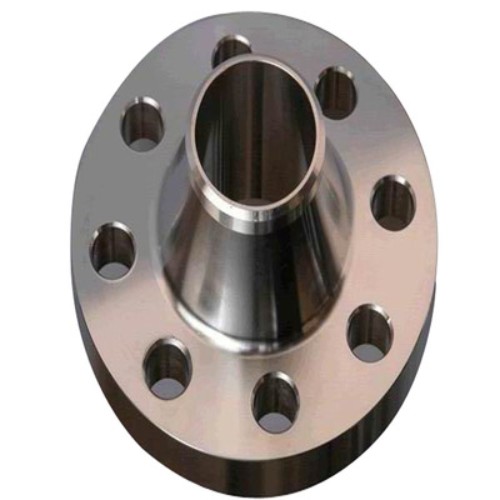
Figure 1: High-performance neck flange for industrial applications.
Detailed Manufacturing Process of a neck flange
The production of a high-quality neck flange involves a meticulously controlled multi-stage process, ensuring compliance with international standards such as ISO 9001, ANSI B16.5, and ASME B16.47. This process guarantees the mechanical properties, dimensional accuracy, and long-term reliability required for demanding industrial applications.
Process Flow Overview:
-
1. Material Selection & Preparation:
Flanges are typically manufactured from carbon steel (e.g., A105, A350 LF2), stainless steel (e.g., 304/304L, 316/316L), or alloy steel (e.g., F11, F22). Raw materials are selected based on specified pressure, temperature, and corrosion resistance requirements. Material certificates (MTCs) are validated for chemical composition and mechanical properties.
-
2. Forming (Forging or Casting):
Forging: The preferred method for high neck flange and long weld neck flange due to superior grain structure and mechanical strength. Steel billets are heated to forging temperature and shaped using powerful presses or hammers. This process refines the grain structure, enhancing toughness and fatigue resistance.
Casting: Less common for high-pressure weld neck flanges, casting involves pouring molten metal into a mold. While cost-effective for complex shapes, cast flanges may have inherent defects like porosity, making them unsuitable for critical applications. -
3. Heat Treatment:
After forging, flanges undergo heat treatment processes such as normalizing, annealing, or quenching and tempering. This optimizes material properties, relieves internal stresses, and achieves the desired hardness and strength, crucial for the long service life of a neck flange.
-
4. CNC Machining:
Precision CNC (Computer Numerical Control) machining is used to achieve exact dimensions for the bore, flange face (e.g., Raised Face - RF, Ring Type Joint - RTJ), bolt holes, and neck taper. This stage ensures tight tolerances and optimal sealing capability. Surface finishes are carefully controlled to meet specification requirements.
-
5. Testing & Inspection:
A multi-point inspection regime includes:
- Dimensional Inspection: Verification against ANSI/ASME B16.5, B16.47, or customer drawings.
- Visual Inspection: Checking for surface defects, cracks, or imperfections.
- Non-Destructive Testing (NDT): Magnetic Particle Inspection (MPI), Liquid Penetrant Testing (LPT), Ultrasonic Testing (UT), and Radiographic Testing (RT) for internal flaws.
- Hydrostatic Testing: Although flanges are not typically hydrostatically tested individually, the welding and assembly with pipes undergo this crucial test to ensure system integrity.
- Material Verification: Positive Material Identification (PMI) to confirm alloy composition.
-
6. Surface Treatment & Marking:
Flanges are typically coated with anti-corrosion paint or oil, especially carbon steel variants, for protection during transit and storage. Essential markings, including material grade, pressure rating, size, and manufacturer's logo, are stamped on the flange body as per standards.
Target industries for these rigorously manufactured flanges include petrochemical, oil & gas, power generation, chemical processing, shipbuilding, and water supply & drainage. The advantages derived from this process are immense: superior corrosion resistance (especially with stainless and alloy steels), enhanced energy saving by preventing leaks in pressurized systems, and a typical service life exceeding 20-30 years when properly installed and maintained.
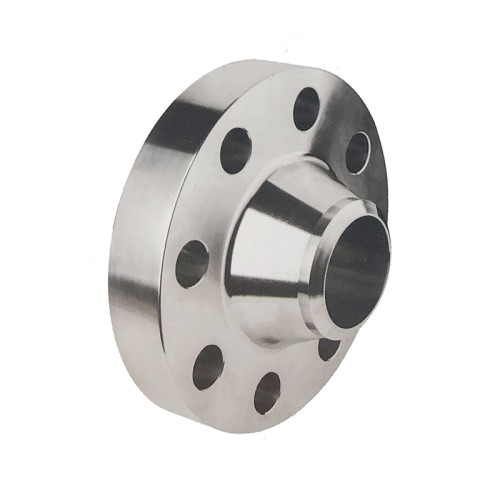
Figure 2: Precision CNC machining ensures exact dimensions for the weld neck flange.
Technical Specifications and Parameters of Weld Neck Flange
The selection of a weld neck flange, including the specific high neck flange or long weld neck flange variant, is dictated by a comprehensive set of technical specifications that ensure compatibility and safe operation within a piping system. These parameters typically adhere to international standards such as ASME B16.5 for pipe flanges and flanged fittings (NPS ½ through NPS 24) and ASME B16.47 for large diameter steel flanges (NPS 26 through NPS 60).
| Parameter | Description/Standard | Typical Value/Range |
|---|---|---|
| Nominal Pipe Size (NPS) | ASME B16.5 | ½" to 24" (Larger with B16.47) |
| Pressure Class (ASME) | ASME B16.5 | 150, 300, 600, 900, 1500, 2500 |
| Material Grades | ASME B16.5, ASTM A105, A182, A350 | Carbon Steel (A105), Stainless Steel (F304/316), Alloy Steel (F11/F22) |
| Facing Type | ASME B16.5 | Raised Face (RF), Ring Type Joint (RTJ), Flat Face (FF) |
| Wall Thickness (Schedule) | Matches connecting pipe schedule | Sch 10, Sch 40, Sch 80, Sch 160, XS, XXS |
| Dimensional Tolerance | ASME B16.5 | Tight tolerances on OD, ID, bolt circle, bore |
| Weld Bevel | ASME B16.25 | Standard 30° (+/- 5°) bevel |
These specifications are crucial for engineers and procurement specialists to select the correct neck flange that will perform reliably under specific operating conditions. The robust design of the long weld neck flange, with its extended hub, is particularly advantageous in applications requiring additional reinforcement or where thermal expansion and contraction are significant concerns.
Application Scenarios and Technical Advantages
The inherent design and robust manufacturing of the neck flange offer distinct technical advantages that make it indispensable across a spectrum of challenging industrial applications. Its ability to provide a strong, leak-proof connection, achieved through a full penetration butt-weld to the pipe, significantly minimizes the risk of joint failure.
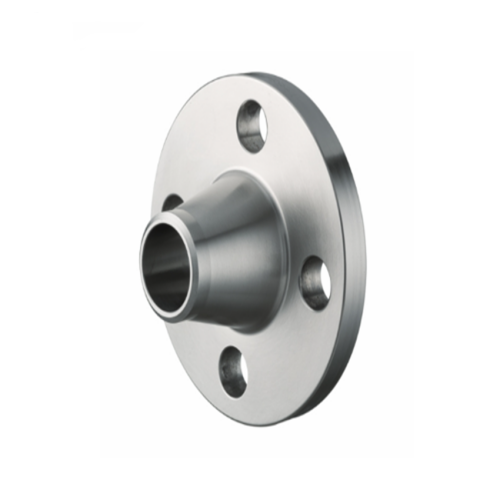
Figure 3: A schematic showing the tapered hub of a weld neck flange, illustrating stress distribution.
Key Application Scenarios:
- Oil & Gas Industry: Widely used in upstream (drilling, extraction), midstream (pipelines, transportation), and downstream (refining) operations where high pressures, volatile hydrocarbons, and extreme temperatures are common. The weld neck flange excels in preventing leaks that could lead to environmental hazards or operational shutdowns.
- Petrochemical and Chemical Processing: Essential for transporting corrosive chemicals and high-temperature reactants. Materials like stainless steel high neck flange variants provide superior resistance to chemical attack, ensuring long-term system integrity.
- Power Generation: Utilized in thermal, nuclear, and hydroelectric power plants for steam lines, feedwater systems, and cooling water circuits, handling high-pressure steam and hot water with exceptional reliability.
- Shipbuilding: Critical for marine piping systems, especially in applications where robust connections are vital to withstand dynamic forces and corrosive seawater environments.
- Water Treatment & Desalination: Employed in high-pressure pumping stations and filtration systems, often with specialized coatings or materials for enhanced corrosion resistance.
Technical Advantages:
- Superior Structural Integrity: The tapered hub design allows for a gradual stress distribution from the pipe to the flange, making it highly resistant to fatigue and repeated stress cycles. This design is particularly beneficial for long weld neck flange applications in vibrating environments.
- Reduced Turbulence: The smooth transition provided by the tapering hub minimizes fluid turbulence at the joint, reducing pressure drop and enhancing system efficiency, leading to potential energy saving.
- Excellent Sealing Performance: The butt-weld connection eliminates crevices, reducing the potential for crevice corrosion and ensuring a more secure and leak-tight joint compared to other flange types, even under fluctuating pressure and temperature conditions.
- High Pressure and Temperature Capability: Due to its robust construction and full penetration weld, the neck flange is ideally suited for services involving high pressures and extreme temperatures, making it a preferred choice for critical process lines.
- Radiographic Inspectability: The weld joint can be fully radiographed or ultrasonically tested, providing a high degree of assurance regarding weld integrity, which is a significant advantage for safety-critical applications.
- Long Service Life: With proper material selection and installation, a weld neck flange can provide decades of reliable service, minimizing maintenance requirements and reducing total cost of ownership.
Vendor Comparison and Customized Solutions
Selecting the right manufacturer for neck flange components is crucial for project success. While many suppliers offer standard flanges, distinguishing factors often lie in material quality, manufacturing precision, adherence to certifications, and the ability to provide tailored solutions.
Key Factors for Vendor Comparison:
| Criteria | High-Quality Vendor (e.g., HBYS Valves) | Standard Vendor |
|---|---|---|
| Certifications | ISO 9001, PED, AD2000, API Q1, extensive material MTCs | Basic ISO, limited additional certifications |
| Manufacturing Process | Advanced forging, precision CNC machining, full NDT capabilities | Standard forging/casting, basic machining, limited NDT |
| Material Traceability | Full traceability from raw material to finished product (heat numbers) | Partial or limited traceability |
| Customization | Extensive capacity for bespoke designs, special materials, unique dimensions | Limited to standard configurations |
| Technical Support | Dedicated engineering team, application specialists, fast response | Basic sales support |
| Warranty | Comprehensive product warranty, commitment to long-term reliability | Standard, often limited warranty |
Customized Solutions:
Many complex industrial projects require flanges that go beyond standard specifications. Leading manufacturers of weld neck flange, like HBYS Valves, offer extensive customization capabilities, including:
- Special Material Grades: Production of flanges from exotic alloys such as Inconel, Monel, Hastelloy, or Duplex/Super Duplex stainless steel for extreme corrosive or high-temperature environments.
- Non-Standard Dimensions: Fabrication of flanges with unique diameters, thickness, bore sizes, or bolt hole patterns to fit existing infrastructure or bespoke designs. This often includes specialized long weld neck flange designs.
- Unique Facing Types: Custom flange facings beyond RF, FF, or RTJ, engineered for specific sealing requirements or gasket types.
- Specific Surface Finishes: Tailored surface roughness (e.g., spiral serrated, smooth finish) for optimal gasket performance in particular applications.
- Integrated Solutions: Providing flanges as part of a larger package, including pipes, fittings, and valves, ensuring seamless compatibility and single-source procurement.
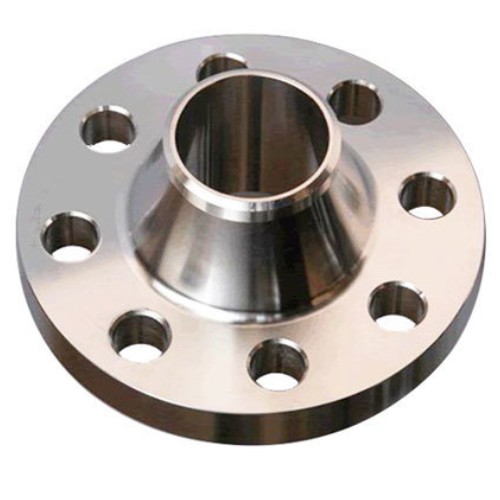
Figure 4: Customizable neck flange solutions to meet specific project requirements.
A reliable vendor provides not just products but also engineering expertise to help clients specify, design, and implement customized flange solutions effectively.
Application Case Studies: High Neck Flange in Action
Real-world applications underscore the critical role and reliable performance of high neck flange and long weld neck flange in demanding industrial environments. These case studies highlight their capability to maintain system integrity under extreme conditions and their contribution to operational efficiency.
Case Study 1: Offshore Oil & Gas Platform
Challenge: An offshore oil platform required a robust and corrosion-resistant piping connection for its high-pressure crude oil transportation lines, operating in a highly saline and corrosive marine environment with fluctuating temperatures and pressures up to 1500 PSI.
Solution: Class 900 long weld neck flange manufactured from Duplex Stainless Steel (ASTM A182 F51) was specified. The long, tapered hub provided enhanced resistance to bending stresses from platform movement and reduced turbulence, while the Duplex material offered superior resistance to chloride-induced stress corrosion cracking.
Outcome: Over 10 years of continuous, leak-free operation, significantly reducing maintenance costs and ensuring uninterrupted production. The robust butt-weld connection facilitated thorough NDT inspections, confirming the integrity of every joint. This project demonstrated the exceptional reliability and longevity of specialized neck flange in extreme conditions.
Case Study 2: Geothermal Power Plant Steam Line
Challenge: A geothermal power plant needed connections for its high-temperature (up to 350°C) steam lines, where thermal expansion and contraction cycles were significant. Traditional flanges showed signs of creep and joint degradation over time.
Solution: Forged ASTM A105N carbon steel weld neck flange, Class 600, was installed. The normalizing heat treatment (suffix 'N') ensured fine grain structure and improved toughness, while the inherent design of the neck flange effectively managed the thermal stresses.
Outcome: The flanges maintained integrity throughout numerous operational cycles, showcasing their resilience to thermal fatigue. The superior stress distribution achieved by the tapered hub prevented localized stress concentrations, prolonging the service life of the entire piping system and reducing the need for costly replacements.
Customer Feedback:
"We've partnered with our flange supplier for over a decade for our critical refinery projects. Their weld neck flange products consistently meet our stringent quality standards, and their ability to provide custom sizes for our legacy systems has been invaluable. The reliability and longevity translate directly into reduced operational expenditure." - Chief Engineer, Major Petrochemical Company.
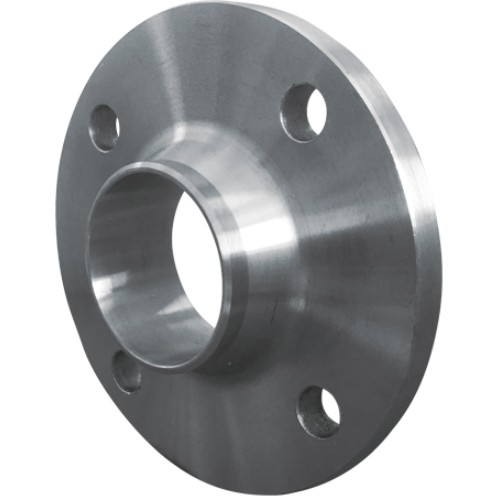
Figure 5: A robust neck flange installed in a complex industrial pipeline network.
Trustworthiness and Support: FAQ, Lead Time, Warranty
Frequently Asked Questions (FAQ):
A1: The primary advantage is its superior strength and integrity. A neck flange is butt-welded to the pipe, providing a full penetration weld that can be easily radiographed. This makes it ideal for high-pressure, high-temperature, and critical applications where leak prevention is paramount, unlike slip-on flanges which use fillet welds and are less robust.
A2: Yes, absolutely. When manufactured from appropriate corrosion-resistant materials such as stainless steel (e.g., 316/316L) or duplex/super duplex alloys, high neck flange offers excellent resistance to corrosive media, ensuring long service life in aggressive chemical or marine environments.
A3: Key standards include ASME B16.5 (for NPS ½ to 24), ASME B16.47 (for NPS 26 to 60), ASTM material specifications (e.g., A105, A182), and NDT standards (e.g., ASME Section V for radiography, ultrasonic, magnetic particle, liquid penetrant testing). Manufacturers also adhere to ISO 9001 for quality management.
Lead Time & Fulfillment:
Our standard lead times for common neck flange types and materials typically range from 2 to 4 weeks, depending on order volume and specific requirements. For urgent projects or specialized materials (e.g., long weld neck flange in exotic alloys), expedited manufacturing and delivery options are available. We maintain a robust inventory of raw materials and standard finished products to facilitate rapid response times. Customized solutions may require additional time for engineering and material procurement, with detailed timelines provided upon inquiry. We commit to transparent communication throughout the fulfillment process.
Warranty Commitments:
We stand behind the quality and performance of our "Cost high neck flange" products with a comprehensive 5-year warranty against manufacturing defects and material failures under normal operating conditions. This commitment reflects our confidence in our stringent manufacturing processes, quality control, and adherence to international standards. Our warranty ensures peace of mind for our clients, guaranteeing that our weld neck flange products will perform as expected for their intended service life.
Customer Support:
Our dedicated customer support team and technical engineers are available to assist with product selection, technical inquiries, installation guidance, and any after-sales support requirements. We offer 24/7 online support and maintain a global network of service representatives to ensure prompt and effective assistance, minimizing downtime for our clients. For immediate assistance, please visit our website or contact our technical sales team directly.
Conclusion
The neck flange, in its various forms including the high neck flange and long weld neck flange, remains a cornerstone component in industrial piping systems, valued for its unparalleled strength, reliability, and superior sealing capabilities. Its meticulous manufacturing process, adherence to rigorous international standards, and proven performance in critical applications underline its importance for safety, operational efficiency, and longevity. As industries continue to evolve, the demand for high-quality, technically advanced flange solutions will only grow, cementing the role of the weld neck flange as an essential element for future infrastructure and processing needs.
References
- ASME B16.5, Pipe Flanges and Flanged Fittings: NPS ½ Through NPS 24 Metric/Inch Standard. American Society of Mechanical Engineers.
- ASME B16.47, Large Diameter Steel Flanges: NPS 26 Through NPS 60 Metric/Inch Standard. American Society of Mechanical Engineers.
- ASTM A105/A105M-18, Standard Specification for Carbon Steel Forgings for Piping Applications. ASTM International.
- ISO 9001:2015, Quality management systems — Requirements. International Organization for Standardization.
- API 6A, Specification for Wellhead and Christmas Tree Equipment. American Petroleum Institute.
-
Comprehensive Guide to China Pipe Laterals Fittings for Global Trade ApplicationsNewsFeb.24,2026
-
China Extended Body Gate Valves A Comprehensive Guide To Selection And ApplicationNewsFeb.11,2026
-
Comprehensive Guide to China 3 Inch Butterfly Valve Selection and ApplicationsNewsJan.30,2026
-
Comprehensive Guide to Pipe Adaptors and Fittings for Efficient SystemsNewsJan.28,2026
-
Comprehensive Guide to Pipe T Fittings for Plumbing and Fluid Transfer SystemsNewsJan.28,2026
-
Comprehensive Guide to Union Pipe Fitting Selection and ApplicationsNewsJan.27,2026
-
Comprehensive Guide to China Angle Globe Valves for Industrial ApplicationsNewsJan.27,2026
 Afrikaans
 Albanian
 Amharic
 Arabic
 Armenian
 Azerbaijani
 Basque
 Belarusian
 Bengali
 Bosnian
 Bulgarian
 Catalan
 Cebuano
 Corsican
 Croatian
 Czech
Czech
 Danish
 Dutch
Dutch
 Esperanto
 Estonian
 Finnish
 French
 Frisian
 Galician
 Georgian
 German
 Greek
Greek
 Gujarati
 Haitian Creole
 Hausa
Hausa
 Hawaiian
 Hebrew
 Hindi
Hindi
 Miao
Miao
 Hungarian
 Icelandic
 Igbo
Igbo
 Indonesian
 Irish
Irish
 Italian
 Japanese
 Javanese
 Kannada
 Kazakh
 Khmer
Khmer
 Rwandese
 Korean
 Kurdish
 Kyrgyz
 Lao
Lao
 Latin
Latin
 Latvian
 Lithuanian
 Luxembourgish
 Macedonian
 Malgashi
 Malay
Malay
 Malayalam
 Maltese
 Maori
Maori
 Marathi
 Mongolian
 Myanmar
 Nepali
 Norwegian
 Norwegian
 Occitan
 Pashto
 Persian
 Polish
 Portuguese
 Punjabi
 Romanian
 Russian
 Samoan
 Scottish Gaelic
 Serbian
 Sesotho
 Shona
Shona
 Sindhi
 Sinhala
 Slovak
 Slovenian
 Somali
 Spanish
 Sundanese
 Swahili
 Swedish
 Tagalog
 Tajik
Tajik
 Tamil
Tamil
 Tatar
Tatar
 Telugu
 Thai
Thai
 Turkish
 Turkmen
 Ukrainian
 Urdu
Urdu
 Uighur
 Uzbek
Uzbek
 Vietnamese
 Welsh
Welsh
 Bantu
Bantu
 Yiddish
 Yoruba
 Zulu
Zulu
 English