




Durable Stainless Steel Basket Strainer | Superior Filtration
The Indispensable Role of Stainless Steel Basket Strainers in Industrial Filtration
In critical industrial fluid handling systems, the integrity and efficiency of operations hinge significantly on robust filtration. Among the various filtration devices, the stainless steel basket strainer stands out as a paramount component. Engineered for superior performance in demanding environments, these devices are designed to remove particulate matter from pipelines, safeguarding downstream equipment, optimizing process flow, and ensuring product purity. This comprehensive overview delves into the technical aspects, application versatility, and strategic advantages of this essential industrial component.
The selection of a high-quality basket strainer is crucial for industries ranging from petrochemicals to water treatment, where uninterrupted operation and asset protection are non-negotiable. Our focus will be on the Flanged Connection Stainless Steel Basket Strainer, examining its construction, operational benefits, and how it addresses modern industrial challenges.
Industry Trends and Market Dynamics for Filtration Solutions
The global industrial filtration market is experiencing significant growth, driven by stringent environmental regulations, increasing demand for clean water, and the need for process optimization across various sectors. The trend towards higher efficiency, lower maintenance, and sustainable solutions is shaping product development. For filtration systems, there's a growing emphasis on materials that offer exceptional corrosion resistance and longevity, making the stainless steel basket strainer a preferred choice. The market is also seeing innovations in design for easier maintenance, reduced pressure drop, and enhanced automation compatibility. According to recent market analysis, the global industrial filtration market is projected to reach over $40 billion by 2027, with a compound annual growth rate (CAGR) exceeding 6%, highlighting the sustained demand for reliable filtration components like the stainless steel strainer basket.
Key trends include:
- Increased adoption of advanced materials for enhanced durability and chemical compatibility.
- Focus on energy-efficient designs that minimize pressure loss and operational costs.
- Development of smart filtration systems with real-time monitoring capabilities.
- Growing demand for customized filtration solutions tailored to specific industrial processes.
- Stringent regulatory compliance driving the need for highly effective particulate removal.
Technical Specifications and Design Principles
A Flanged Connection Stainless Steel Basket Strainer is fundamentally designed to provide an efficient and easy-to-maintain method for removing undesirable solids from liquid, gas, or steam lines. Its robust construction and precise engineering ensure optimal performance and longevity in demanding industrial applications.
Key Structural Components:
- Body: Typically cast or forged from 304L or 316L stainless steel, offering excellent resistance to corrosion and high temperatures.
- Basket: Perforated or mesh-lined, designed for specific micron ratings to capture particles. Stainless steel is standard for its durability and chemical compatibility.
- Cover: Bolted or quick-opening, facilitating easy access for basket cleaning or replacement.
- Flanged Connections: Conforming to standards such as ANSI B16.5, DIN, or JIS, ensuring secure and leak-free integration into pipeline systems.
- Drain Plug: For quick draining of accumulated debris.
Material Selection Rationale:
The predominant material, stainless steel (e.g., SS304L, SS316L), is chosen for its superior properties:
- Corrosion Resistance: Essential for handling a wide range of corrosive fluids without degradation.
- Temperature Resilience: Maintains structural integrity under varying temperature conditions, crucial for process stability.
- Mechanical Strength: Withstands high pressures and stresses common in industrial pipelines.
- Hygiene: Suitable for applications requiring cleanliness, such as food processing or pharmaceutical manufacturing.
Typical Product Specifications:
| Parameter | Specification (Flanged Connection Stainless Steel Basket Strainer) |
|---|---|
| Body Material | SS304L, SS316L (ASTM A351 CF8 / CF8M) |
| Basket Material | SS304, SS316 (Perforated or Mesh Lined) |
| Connection Type | Flanged (ANSI B16.5 Class 150/300, PN10/16/25/40, JIS 10K/20K) |
| Nominal Size | DN50 (2") to DN600 (24") and larger |
| Operating Pressure | Up to 600 PSI (40 Bar) |
| Operating Temperature | -29°C to 425°C (-20°F to 800°F) |
| Filtration Range | 10 mesh to 300 mesh (or custom micron ratings) |
| Face-to-Face Dimension | ASME B16.10 Compliant |
These specifications are critical for engineers to select the appropriate basket strainer for their specific process requirements, ensuring compatibility with system pressure, temperature, and fluid characteristics.
The Manufacturing Process Flow: Precision and Quality Assurance
The production of a high-performance stainless steel basket strainer is a meticulously controlled process, integrating advanced manufacturing techniques with rigorous quality control. This ensures each unit meets the stringent demands of industrial applications.
Process Steps:
- Material Procurement and Inspection: High-grade stainless steel (e.g., 304L, 316L) is sourced from certified mills. Incoming materials undergo chemical composition analysis and mechanical testing to ensure compliance with ASTM standards.
- Casting or Forging of Body:
- Casting: Precision investment casting or sand casting techniques are used for complex body geometries, ensuring uniform wall thickness and structural integrity.
- Forging: For higher pressure ratings and enhanced mechanical properties, bodies may be forged, offering superior grain structure and density.
- CNC Machining: After casting/forging, advanced CNC machines precisely machine the flanges, internal seating areas, and cover connections to tight tolerances, ensuring optimal fit and sealing.
- Basket Fabrication: The strainer basket itself is fabricated from perforated stainless steel sheets or woven mesh. The mesh size (micron rating) is critical and is precisely manufactured to specification. Welding and forming operations are performed to create the robust basket structure.
- Welding and Assembly: Components are meticulously welded using TIG or MIG methods, followed by post-weld heat treatment if required, to relieve stresses. Gaskets, bolts, and drain plugs are then assembled.
- Surface Treatment: External surfaces are typically passivated or polished to enhance corrosion resistance and provide a professional finish.
- Testing and Quality Control: Each unit undergoes comprehensive testing:
- Hydrostatic Pressure Test: To verify shell integrity and absence of leaks, per API 598, ANSI B16.34, or ISO 5208.
- Pneumatic Seat Test: To confirm tight closure of internal components.
- Material Traceability: Full traceability of materials through MTRs (Material Test Reports).
- Dimensional Inspection: Verification of all critical dimensions against design drawings.
- Visual Inspection: Checking for surface defects, proper labeling, and overall workmanship.
- Packaging and Dispatch: Units are carefully packaged to prevent damage during transit, often with protective coatings or crates.
Adherence to international standards such as ISO 9001 (Quality Management), ANSI (American National Standards Institute), and API (American Petroleum Institute) ensures the highest levels of product quality, reliability, and service life. A well-manufactured stainless steel basket strainer can offer a service life exceeding 20-30 years with proper maintenance, significantly reducing total cost of ownership.
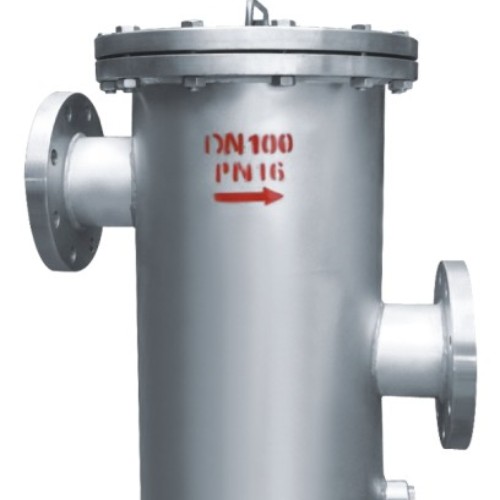
Image 1: Precision engineering of a stainless steel basket strainer.
Technical Advantages in Application Scenarios
The inherent properties of stainless steel, combined with optimized design, imbue the stainless steel basket strainer with several critical advantages across diverse industrial applications.
Corrosion Resistance and Chemical Compatibility:
Stainless steel, particularly grades like 316L, offers superior resistance to a wide array of corrosive media, including acids, alkalis, and chlorides. This makes the stainless strainer basket ideal for petrochemical processing, chemical manufacturing, and offshore oil and gas platforms where aggressive fluids are common. Its durability ensures long-term operational integrity, preventing premature failure and contamination.
Energy Efficiency and Reduced Pressure Drop:
Optimized design of the strainer body and basket allows for high flow rates with minimal pressure drop. This translates directly into energy savings for pumping systems, as less energy is required to maintain desired flow rates. A well-designed stainless steel strainer basket can significantly reduce pump energy consumption by up to 15-20% compared to poorly designed or fouled strainers, contributing to lower operational expenditures and environmental sustainability.
Extended Service Life and Low Maintenance:
Due to its robust construction and resistance to wear and tear, a stainless steel basket strainer offers an extended service life, often exceeding decades in well-maintained systems. The design typically allows for easy access to the basket for cleaning or replacement, minimizing downtime and maintenance costs. This 'install and forget' reliability is highly valued in continuous process industries.
Versatility in Filtration:
With options for various mesh sizes and perforation patterns, these strainers can effectively remove particles ranging from coarse debris to fine sediments, protecting sensitive equipment like pumps, valves, heat exchangers, and nozzles.
Application Scenarios and Industry Case Studies
The adaptability and reliability of the stainless steel basket strainer make it indispensable across a spectrum of industries.
Target Industries:
- Petrochemical and Oil & Gas: Protecting pumps, heat exchangers, and instrumentation from scale, sand, and other particulate matter in crude oil, refined products, and chemical streams.
- Water Treatment & Desalination: Pre-filtration for reverse osmosis (RO) units, UV sterilization, and municipal water supply systems, ensuring clean water and extending membrane life.
- Power Generation: Safeguarding cooling water systems, boiler feedwater, and condensate return lines from debris that could damage turbines or heat exchangers.
- HVAC & District Cooling/Heating: Preventing fouling and clogging in chilled water and hot water loops, maintaining system efficiency.
- Food & Beverage: Ensuring product purity by removing unwanted solids from process liquids, juices, and brewing applications.
- Pharmaceutical: Critical for pre-filtration stages to maintain sterile environments and protect downstream sterile filters.
- Pulp & Paper: Filtering process water and chemical additives to maintain product quality and protect machinery.
Application Case Study: Large-Scale Desalination Plant
A major desalination plant in the Middle East faced persistent issues with macro-fouling and suspended solids entering its reverse osmosis (RO) pre-treatment system, leading to frequent cleaning cycles and premature membrane degradation. The plant implemented a series of DN500 (20-inch) Flanged Connection Stainless Steel Basket Strainers equipped with 100-micron mesh baskets at the raw seawater intake.
Results: Post-installation, the plant reported a 40% reduction in RO membrane cleaning frequency and a 15% increase in membrane lifespan. The robust stainless steel construction easily withstood the corrosive seawater environment, and the quick-opening covers facilitated rapid basket cleaning, minimizing operational downtime. This demonstrated the direct economic and operational benefits derived from reliable upstream filtration using a high-quality basket strainer.

Image 2: Stainless steel basket strainer in a critical industrial application.
Customized Solutions and Vendor Comparison
Tailoring Filtration to Specific Needs:
While standard stainless steel basket strainer models cover a wide range of applications, many industrial processes require specialized filtration solutions. Reputable manufacturers offer extensive customization options, including:
- Material Variations: Beyond standard SS304L/316L, options like Duplex Stainless Steel (e.g., F51, F55) for extreme corrosive environments or super-austenitic grades.
- Custom Micron Ratings: Precision-engineered baskets with specific perforation sizes or multi-layer mesh for ultra-fine filtration.
- Pressure Vessel Design: Adherence to codes like ASME Section VIII Div. 1 for high-pressure applications, including specialized closures.
- Instrumentation Ports: Addition of pressure gauge taps, differential pressure indicators (DP gauges), or flushing connections.
- Coatings and Linings: Internal coatings for specific chemical resistance or external coatings for harsh environmental protection.
Selecting a Reliable Vendor:
Choosing the right supplier for a stainless steel basket strainer is as critical as selecting the product itself. Factors to consider include:
| Selection Criterion | Importance | Vendor Considerations |
|---|---|---|
| Manufacturing Experience | High | Years in industry, portfolio of successful projects, B2B specialization. |
| Certifications & Standards | Very High | ISO 9001, CE, API, ASME, NACE (for corrosion), material traceability (MTRs). |
| Customization Capability | Medium to High | Ability to meet unique specifications for material, pressure, size, and design. |
| Technical Support | High | Pre-sales consultation, engineering assistance, after-sales service. |
| Lead Time & Logistics | Medium | Reliable delivery schedules, global shipping capabilities. |
| Warranty & After-Sales | High | Comprehensive warranty, spare parts availability, troubleshooting support. |
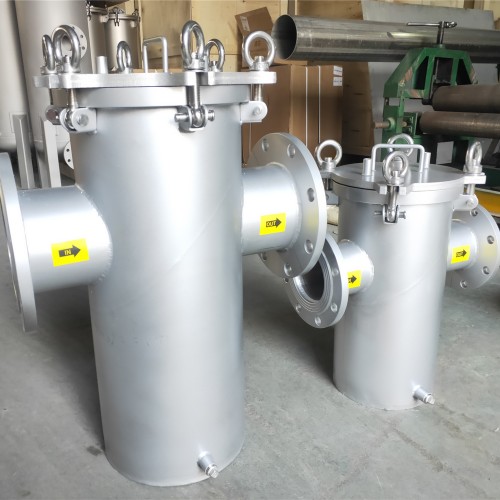
Image 3: Customization options for a stainless steel basket strainer.
Ensuring Trustworthiness and Authoritativeness ()
For B2B procurement, trust and authority are paramount. Our commitment to these principles is demonstrated through verifiable credentials and a customer-centric approach.
Certifications and Quality Assurance:
Our manufacturing processes and products, including the stainless steel basket strainer, comply with leading international standards. This includes ISO 9001 for quality management systems, CE marking for European market compliance, and adherence to ASME B16.34 for valves and strainers. Material Test Reports (MTRs) are provided for full traceability, confirming material specifications and compliance with standards such as ASTM A351. Our long-standing relationships with major clients across petrochemical, power generation, and water treatment sectors, spanning over two decades of service, underscore our proven reliability.
Frequently Asked Questions (FAQ):
- Q: What is the primary difference between a Y-strainer and a basket strainer?
- A: A Y-strainer is typically used for coarse filtration and applications where space is limited, requiring less frequent cleaning. A basket strainer offers significantly larger straining capacity, reducing the frequency of cleaning and accommodating higher flow rates with lower pressure drop, making it suitable for applications requiring continuous operation or finer filtration.
- Q: How do I determine the correct mesh size for my application?
- A: Mesh size selection depends on the size of particles to be removed and the sensitivity of downstream equipment. Consult with our engineering team, providing details on fluid type, flow rate, particle size distribution, and criticality of filtration, for a precise recommendation.
- Q: Can the basket be cleaned or does it need to be replaced?
- A: In most industrial applications, the stainless steel strainer basket is designed for cleaning and reuse. The frequency of cleaning depends on the level of particulate matter in the fluid. For heavily fouled applications, a spare basket can be kept on hand for quick swap-outs.
Lead Time, Warranty, and Support:
- Lead Time: Standard products typically ship within 4-6 weeks, with expedited options available for urgent requirements. Custom solutions may require 8-12 weeks, depending on complexity.
- Warranty: All our Flanged Connection Stainless Steel Basket Strainers come with a comprehensive 12-month warranty from installation or 18 months from shipment (whichever comes first), covering manufacturing defects.
- Customer Support: Our dedicated technical support team offers 24/7 assistance for installation guidance, troubleshooting, and spare parts identification. We maintain a full inventory of replacement baskets and sealing components.
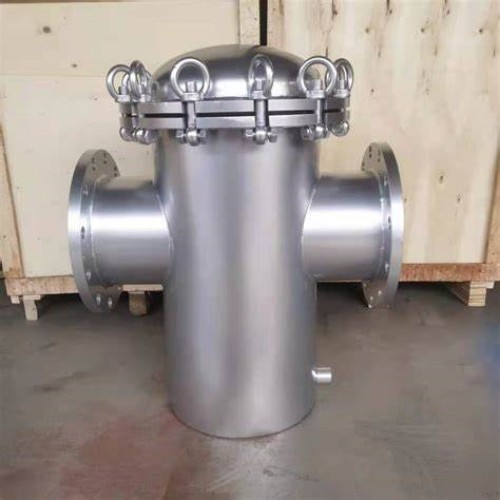
Image 4: Dependable performance of a stainless steel basket strainer.
Customer Experience and Feedback
The true measure of product quality and vendor reliability lies in the feedback from customers. Over the years, our Flanged Connection Stainless Steel Basket Strainers have consistently received positive endorsements for their robust construction, consistent performance, and ease of maintenance.
"We integrated these basket strainers into our cooling tower filtration system, and immediately noticed a significant reduction in downstream fouling. The ease of basket removal and cleaning has drastically cut down our maintenance hours. A truly reliable basket strainer that delivers on its promises." - Process Engineer, Chemical Plant.
"The stainless steel strainer basket from this supplier exceeded our expectations in our demanding offshore oil application. Its corrosion resistance is outstanding, even in highly saline environments. The technical support provided during selection and installation was exceptional." - Operations Manager, Offshore Platform.
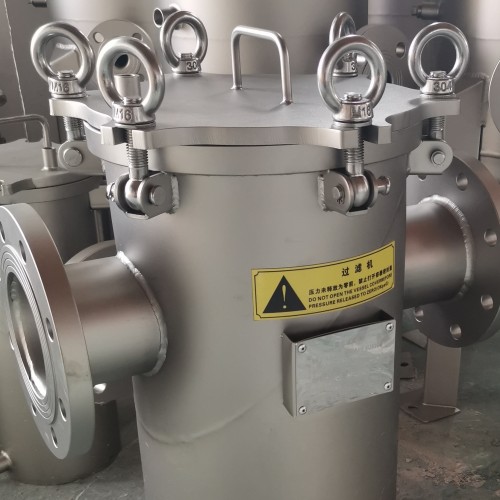
Image 5: High-performance stainless steel basket strainer ensuring system purity.
Conclusion
The Flanged Connection Stainless Steel Basket Strainer is more than just a component; it is a vital investment in the operational efficiency, longevity, and safety of industrial fluid systems. Its robust construction, superior corrosion resistance, and ease of maintenance make it an ideal choice for protecting critical downstream equipment and optimizing process performance across a multitude of demanding environments. By adhering to rigorous manufacturing standards and offering comprehensive support, manufacturers ensure that these essential filtration devices continue to meet the evolving needs of modern industries, delivering reliable and cost-effective solutions for particulate removal.
References
- ISO 9001:2015 Quality Management Systems – Requirements. International Organization for Standardization.
- ASME B16.34-2020: Valves—Flanged, Threaded, and Welding End. American Society of Mechanical Engineers.
- API 598: Valve Inspection and Testing, 10th Edition. American Petroleum Institute.
- ASTM A351/A351M-22: Standard Specification for Castings, Austenitic and Martensitic Stainless Steel, for Pressure-Containing Parts. ASTM International.
- Grand View Research. Industrial Filtration Market Size, Share & Trends Analysis Report By Product, By Application, By Region, And Segment Forecasts, 2020-2027.
-
Comprehensive Guide to China Pipe Laterals Fittings for Global Trade ApplicationsNewsFeb.24,2026
-
China Extended Body Gate Valves A Comprehensive Guide To Selection And ApplicationNewsFeb.11,2026
-
Comprehensive Guide to China 3 Inch Butterfly Valve Selection and ApplicationsNewsJan.30,2026
-
Comprehensive Guide to Pipe Adaptors and Fittings for Efficient SystemsNewsJan.28,2026
-
Comprehensive Guide to Pipe T Fittings for Plumbing and Fluid Transfer SystemsNewsJan.28,2026
-
Comprehensive Guide to Union Pipe Fitting Selection and ApplicationsNewsJan.27,2026
-
Comprehensive Guide to China Angle Globe Valves for Industrial ApplicationsNewsJan.27,2026
 Afrikaans
 Albanian
 Amharic
 Arabic
 Armenian
 Azerbaijani
 Basque
 Belarusian
 Bengali
 Bosnian
 Bulgarian
 Catalan
 Cebuano
 Corsican
 Croatian
 Czech
Czech
 Danish
 Dutch
Dutch
 Esperanto
 Estonian
 Finnish
 French
 Frisian
 Galician
 Georgian
 German
 Greek
Greek
 Gujarati
 Haitian Creole
 Hausa
Hausa
 Hawaiian
 Hebrew
 Hindi
Hindi
 Miao
Miao
 Hungarian
 Icelandic
 Igbo
Igbo
 Indonesian
 Irish
Irish
 Italian
 Japanese
 Javanese
 Kannada
 Kazakh
 Khmer
Khmer
 Rwandese
 Korean
 Kurdish
 Kyrgyz
 Lao
Lao
 Latin
Latin
 Latvian
 Lithuanian
 Luxembourgish
 Macedonian
 Malgashi
 Malay
Malay
 Malayalam
 Maltese
 Maori
Maori
 Marathi
 Mongolian
 Myanmar
 Nepali
 Norwegian
 Norwegian
 Occitan
 Pashto
 Persian
 Polish
 Portuguese
 Punjabi
 Romanian
 Russian
 Samoan
 Scottish Gaelic
 Serbian
 Sesotho
 Shona
Shona
 Sindhi
 Sinhala
 Slovak
 Slovenian
 Somali
 Spanish
 Sundanese
 Swahili
 Swedish
 Tagalog
 Tajik
Tajik
 Tamil
Tamil
 Tatar
Tatar
 Telugu
 Thai
Thai
 Turkish
 Turkmen
 Ukrainian
 Urdu
Urdu
 Uighur
 Uzbek
Uzbek
 Vietnamese
 Welsh
Welsh
 Bantu
Bantu
 Yiddish
 Yoruba
 Zulu
Zulu
 English