




Premium Stainless Steel Strainer | Efficient Filtration Solutions
Industry Trends and the Evolving Role of Filtration
The industrial landscape is undergoing rapid transformation, driven by demands for increased efficiency, enhanced operational safety, and stricter environmental compliance. Within this evolving paradigm, the role of filtration components, particularly the stainless steel strainer, has become more critical than ever. Industry trends point towards a greater adoption of robust, high-performance materials and designs capable of withstanding extreme operational conditions, aggressive media, and prolonged service intervals. There's a notable shift towards smart filtration systems incorporating IoT capabilities for predictive maintenance, though the fundamental mechanical reliability of components like the stainless steel strainer remains paramount.
Key drivers influencing the design and application of modern industrial strainers include:
- Increased demand for energy efficiency across all sectors, necessitating components that minimize pressure drop and maintain laminar flow.
- Stricter regulatory requirements for process purity and waste discharge, demanding finer filtration capabilities and reliable sealing.
- The rise of automation and remote monitoring, which puts a premium on components with predictable performance and extended service life, reducing the need for manual intervention.
- Growth in specialized industries such as hydrogen production, carbon capture, and advanced chemical processing, which require strainers capable of handling unique corrosive or cryogenic media.
- Emphasis on Total Cost of Ownership (TCO), leading to an preference for durable solutions like the stainless steel y strainer that offer superior corrosion resistance and longevity, thereby reducing maintenance and replacement costs.
This evolution underscores the necessity for manufacturers to provide highly engineered solutions that meet current operational challenges while anticipating future industry demands. The robustness of a stainless strainer, particularly those made from high-grade stainless steel, positions it as an indispensable component in complex industrial systems.
Product Focus: GL41W-16 / 25P Stainless Steel Strainer Technical Specifications
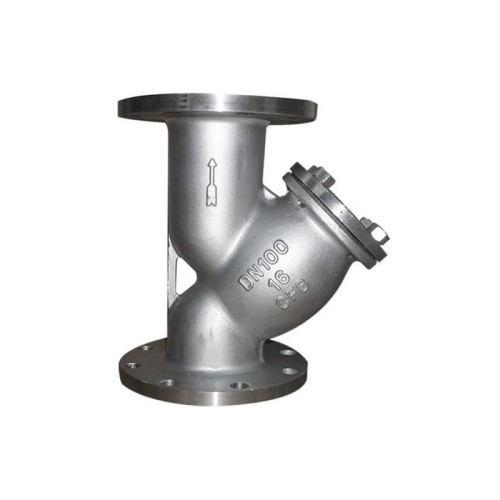
The GL41W-16 / 25P stainless steel strainer exemplifies advanced engineering designed to meet rigorous industrial filtration requirements. This Y-type strainer is engineered for optimal performance in diverse applications, offering superior particle removal and robust protection for downstream equipment. Its design minimizes pressure drop while ensuring efficient capture of particulate matter, safeguarding critical system components such as pumps, valves, heat exchangers, and instrumentation.
Core Specifications and Material Excellence
Manufactured from high-grade stainless steel, the GL41W-16 / 25P is specifically designed to resist corrosion and erosion in demanding environments. This makes it an ideal stainless y strainer for use with various fluid media, including water, oil, gas, and a wide range of chemicals.
| Parameter | Specification | Notes |
|---|---|---|
| Product Model | GL41W-16 / 25P | Y-Type Strainer Design |
| Nominal Diameter (DN) | DN15 - DN500 (1/2" - 20") | Wide range to suit various pipe sizes |
| Nominal Pressure (PN) | PN16 (1.6 MPa), PN25 (2.5 MPa) | Suitable for medium to high pressure systems |
| Body Material | Stainless Steel (e.g., CF8, CF8M, CF3M) | Equivalent to SS304, SS316, SS316L |
| Screen Material | Stainless Steel (e.g., SS304, SS316, SS316L) | Standard mesh sizes: 20-100 mesh; custom available |
| Applicable Medium | Water, Oil, Gas, Steam, Acidic/Alkaline Fluids | Corrosion-resistant for diverse media |
| Working Temperature | -29°C to +425°C | Wide temperature range capability |
| Connection Type | Flanged (RF, RTJ) | Conforms to ASME B16.5, EN 1092-1 |
| Face to Face Dimension | GB/T 12221, DIN 3202 F1 | Ensures interchangeability and easy installation |
| Design Standard | GB/T 12223 | Adherence to national standards |
| Inspection & Test | API 598, GB/T 13927 | Guaranteed performance and leak-tightness |
The GL41W-16 / 25P Y-type stainless strainer is particularly noted for its compact structure and low flow resistance, making it suitable for horizontal or vertical pipeline installations. Its design allows for easy removal and cleaning of the screen, minimizing downtime and maintenance efforts.
The Manufacturing Process Flow of a Stainless Steel Strainer
The production of a high-quality stainless steel strainer involves a meticulously controlled multi-stage process, ensuring durability, precision, and adherence to international standards. Our manufacturing workflow integrates advanced techniques with stringent quality control at every step.
1. Material Selection & Procurement
Raw materials, primarily stainless steel grades like SS304, SS316, or SS316L, are sourced from certified suppliers. Each batch undergoes rigorous incoming material inspection, including spectral analysis for chemical composition and mechanical property testing (tensile strength, hardness) to ensure compliance with ASTM A351/A216/A182 or equivalent standards.
2. Casting or Forging
The body of the stainless steel y strainer is either precision cast (e.g., investment casting for complex shapes and fine surface finish) or forged (for superior mechanical properties and integrity, especially for higher pressure ratings). This stage involves pattern making, mold preparation, melting, pouring, and subsequent heat treatment (solution annealing) to relieve stress and optimize microstructure. Non-destructive testing (NDT) like radiography or ultrasonic inspection is applied as per ASME B16.34 requirements.
3. CNC Machining
Advanced CNC machining centers are utilized to precisely machine the cast/forged bodies. This includes critical dimensions for flange facing, bore sizing, basket seating, and bolt holes. Precision is paramount to ensure proper fit, alignment, and leak-free operation. Tolerances are held to ISO 2768-1 standards, ensuring optimal functionality and interchangeability.
4. Screen Fabrication & Welding
The filtration element (screen or basket) is fabricated from perforated or woven stainless steel mesh, tailored to the required filtration degree. For larger strainers, the basket may involve welding multiple sections. All welding is performed by qualified welders following WPS/PQR procedures (e.g., ASME Section IX), with subsequent visual and liquid penetrant inspection to ensure weld integrity.
5. Surface Treatment & Assembly
After machining, parts undergo cleaning and passivation to enhance corrosion resistance and remove any contaminants. The strainer components – body, screen, cover, gasket, and fasteners – are then meticulously assembled in a clean environment. Lubricants used are compatible with the intended service media.
6. Testing & Quality Control
Each finished stainless strainer undergoes a series of stringent tests:
- Hydrostatic Shell Test (e.g., 1.5 times PN as per API 598/ISO 5208)
- Seat Leakage Test (e.g., 1.1 times PN as per API 598/ISO 5208)
- Air Test (for specific applications)
- Dimensional Inspection (API 6D/ASME B16.10)
- Visual Inspection & Final Documentation (Material Test Reports, Certificates of Conformance)
7. Packaging & Dispatch
Products are carefully packaged to prevent damage during transit, often utilizing crates or pallets with protective wrapping, ensuring they arrive at the client's site in pristine condition.
This comprehensive process guarantees that every GL41W-16 / 25P stainless steel strainer not only meets but often exceeds industry service life expectations, demonstrating exceptional advantages in demanding application scenarios, such as energy saving through reduced pressure drops and superior corrosion resistance.
Critical Application Scenarios for Stainless Steel Strainers
The versatility and resilience of the stainless steel strainer make it an indispensable component across a multitude of industrial sectors. Its primary function is to remove suspended solids from fluid streams, thereby protecting downstream equipment from damage, reducing maintenance costs, and ensuring process integrity. The specific design of a stainless steel y strainer, like the GL41W-16 / 25P, is particularly effective in continuous flow applications where debris accumulation can be significant.
Target Industries:
- Petrochemical & Oil & Gas: Protecting pumps, compressors, heat exchangers, and metering systems from solid particles in crude oil, refined products, and natural gas lines. Crucial for preventing erosion and blockage in complex processing units.
- Power Generation: Filtering cooling water, boiler feedwater, and condensate in thermal and nuclear power plants. Prevents fouling of heat exchangers, turbines, and control valves, significantly improving operational efficiency and extending equipment life.
- Water Supply & Drainage / Wastewater Treatment: Removing debris from raw water intake, protecting pumps, and preventing clogging in treatment filters and purification systems. Essential for maintaining clean water supply and effective wastewater processing.
- Chemical Processing: Handling aggressive chemicals, acids, and alkalis, where the corrosion resistance of stainless steel (e.g., SS316L) is paramount. Protects sensitive reactors, pumps, and spray nozzles from catalytic poisoning or damage by foreign particles.
- Metallurgy & Mining: Filtering slurry and cooling water, preventing abrasive wear on pumps and critical machinery. The robust construction of a stainless strainer is vital in these heavy-duty environments.
- HVAC & District Heating/Cooling: Preventing debris from circulating in heating and cooling loops, which can foul coils, block control valves, and damage circulating pumps, thus enhancing energy efficiency.
- Pharmaceutical & Food & Beverage: While sanitary applications often require specific designs, general utility lines for water, steam, and compressed air benefit from stainless steel filtration, ensuring clean utilities for processing.
Advantages in Typical Application Scenarios:
- Energy Saving: By effectively removing particulate matter, strainers prevent clogging and abrasion that can lead to increased pressure drop across pumps and heat exchangers. This ensures the system operates at its designed efficiency, reducing energy consumption and operational costs. For example, a 1mm build-up of scale/particulates in a heat exchanger can decrease efficiency by up to 10-15%.
- Corrosion Resistance: In environments where process fluids are corrosive (e.g., seawater, mild acids, aggressive chemicals), stainless steel strainers made from SS316 or SS316L provide superior resistance compared to carbon steel, significantly extending service life and reducing the frequency of replacements.
- Extended Equipment Life: The primary function of a stainless steel strainer is to protect critical, often expensive, equipment from damage caused by debris. By preventing cavitation in pumps, erosion in valves, and blockages in nozzles, the strainer contributes directly to the longevity and reliability of the entire fluid handling system, drastically reducing capital expenditure on equipment replacement.
- Reduced Downtime & Maintenance: Clean systems operate more reliably. Regular removal of particulates means less unscheduled maintenance, fewer emergency repairs, and simplified routine maintenance tasks. The ease of cleaning for many Y-strainer designs further contributes to lower operational expenditure.
- Process Purity: In applications requiring a specific level of fluid purity, such as pharmaceutical raw material processing or critical cooling systems, the stainless steel strainer acts as the first line of defense, ensuring that the fluid stream meets the required cleanliness standards before further processing or use.
The strategic deployment of a high-performance stainless steel strainer is therefore not just a safety measure but a fundamental investment in operational efficiency, reliability, and long-term economic viability.
Technical Advantages and Performance Superiority
The technical advantages of a well-engineered stainless steel strainer are manifold, contributing significantly to the reliability, safety, and efficiency of industrial fluid systems. Our GL41W-16 / 25P series embodies these advantages through meticulous design and superior material selection.
- Exceptional Corrosion Resistance: Utilizes stainless steel grades like SS304, SS316, and SS316L, which provide outstanding resistance to oxidation, corrosion from various chemicals (including acids, alkalis, and chlorides), and pitting. This ensures a prolonged operational life even in aggressive environments, far surpassing that of cast iron or carbon steel alternatives.
- High Pressure and Temperature Capability: Engineered for nominal pressures up to PN25 (2.5 MPa) and temperatures ranging from -29°C to +425°C, these strainers are suitable for demanding applications in high-pressure steam lines, hot oil systems, and cryogenic processes, maintaining mechanical integrity and sealing performance under stress.
- Robust Construction and Durability: The casting or forging process, combined with precise CNC machining, results in a sturdy body that can withstand mechanical stress, vibration, and thermal cycling without compromising structural integrity or sealing effectiveness. This inherent toughness reduces the risk of catastrophic failure and associated safety hazards.
- Optimized Flow Dynamics: The Y-type configuration of the stainless steel y strainer is designed to minimize pressure drop across the unit while maximizing debris collection efficiency. This translates into energy savings for pumping systems and maintains desired flow rates, critical for process stability.
- Precision Filtration: Available with a wide range of screen mesh sizes (typically from 20 to 100 mesh, with finer options available), allowing for precise filtration to protect even the most sensitive instruments and equipment from particulates as small as 150 microns, depending on mesh choice.
- Ease of Maintenance: The angled basket design facilitates quick and straightforward removal and cleaning of the screen without needing to disassemble the entire pipeline. This feature significantly reduces maintenance downtime and associated labor costs.
- Adherence to International Standards: Designed and manufactured in strict accordance with recognized international standards such as ASME B16.5 (flanges), ASME B16.10 (face-to-face dimensions), API 598 (testing), ISO 9001 (quality management), and CE/PED directives. This ensures global acceptance, interoperability, and guaranteed performance.
- Cost-Effectiveness Through Longevity: While the initial investment for a stainless steel strainer might be higher than for conventional materials, its extended service life, minimal maintenance requirements, and protection of expensive downstream equipment lead to a significantly lower Total Cost of Ownership (TCO) over the operational lifespan.
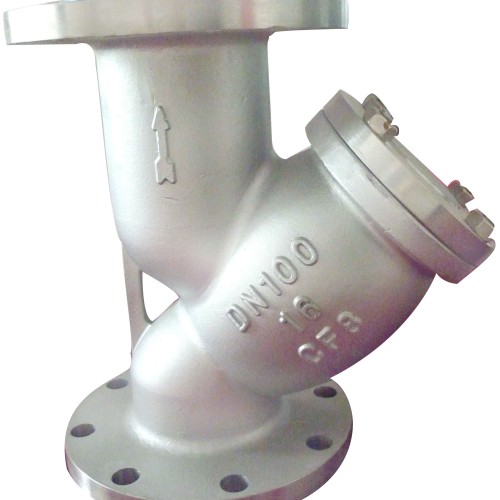
These technical attributes collectively establish the GL41W-16 / 25P stainless strainer as a high-performance, reliable, and economically sound choice for critical industrial filtration applications.
Vendor Comparison: Choosing the Right Stainless Steel Strainer Supplier
Selecting the right supplier for a stainless steel strainer is as crucial as the product's technical specifications. A thorough vendor comparison goes beyond mere price points, encompassing factors like material quality, manufacturing precision, certifications, customization capabilities, and post-sales support. Below is a comparative overview highlighting key differentiators.
| Criteria | Generic Vendor A (Budget) | Generic Vendor B (Mid-Range) | Our Offerings (Premium/HBY Valves) |
|---|---|---|---|
| Material Quality & Traceability | Often utilizes standard SS grades; limited material certification; less stringent incoming inspection. | Verified SS grades; basic material test reports; standard inspection. | Premium SS (CF8M, CF3M) from certified mills; full MTRs; spectral analysis & mechanical testing per ASTM standards for every batch. |
| Manufacturing Process | Standard casting/fabrication; manual/basic CNC machining; minimal NDT. | Automated casting/forging; standard CNC; some NDT. | Precision investment casting or forging; advanced multi-axis CNC machining; extensive NDT (RT/UT/MT/PT) as per ASME B16.34/API 598. |
| Certifications & Standards | Basic ISO 9001; sometimes limited compliance to specific product standards. | ISO 9001, basic product standard compliance (e.g., API 598). | ISO 9001:2015, CE/PED, API 6D, API 598, ASME B16.34, EN 1092-1; comprehensive third-party verification. |
| Customization Options | Limited to standard mesh sizes; few material variations. | Some material upgrades; limited custom connections. | Extensive customization: exotic materials, fine/coarse mesh, special coatings, varied end connections, specific pressure/temperature ratings, design modifications for unique media. |
| Lead Time & Fulfillment | Variable lead times; often slower for non-stock items. | Standard lead times; some expedited options. | Efficient production schedule; standard lead times 4-8 weeks; expedited options available for urgent projects; global logistics support. |
| Warranty & Support | Short warranty (6-12 months); minimal technical support. | Standard 1-year warranty; basic technical support. | Comprehensive 18-month warranty from shipment / 12 months from installation; dedicated 24/7 technical support; extensive after-sales service and spare parts availability. |
| Total Cost of Ownership (TCO) | Low initial cost, but high long-term costs due to frequent replacement and maintenance. | Moderate initial and long-term costs. | Higher initial investment, but significantly lower TCO due to extended lifespan, minimal maintenance, and superior protection of critical equipment. |
Choosing a supplier committed to engineering excellence and comprehensive support, such as HBY Valves, ensures that your investment in a stainless steel strainer yields optimal performance, maximum uptime, and long-term cost savings, mitigating risks associated with inferior products.
Customized Solutions for Specialized Filtration Needs
While standard GL41W-16 / 25P stainless steel strainer models meet a vast array of industrial requirements, many advanced applications demand bespoke filtration solutions. Recognizing this, we offer extensive customization capabilities to engineer strainers that perfectly integrate into unique operational environments and fluid specifications.
Tailored Engineering for Optimal Performance:
- Exotic Material Grades: Beyond standard SS304/SS316, we can fabricate stainless steel y strainer bodies and screens from more specialized alloys such as Duplex Stainless Steel (e.g., UNS S31803, S32750) for superior strength and corrosion resistance in highly aggressive media (e.g., high chloride environments), or Nickel Alloys (e.g., Hastelloy, Inconel) for extreme temperature and highly corrosive chemical services.
- Specific Filtration Degrees: While typical mesh sizes range from 20 to 100 mesh, we can provide screens with much finer filtration (e.g., 200, 400 mesh for ultra-fine particulate removal) or coarser perforations for high-flow applications with larger debris. Custom perforations or woven mesh can be designed to achieve specific micron ratings.
- Non-Standard End Connections: In addition to standard flanged connections (ASME B16.5 RF/RTJ), we offer options for butt-weld, socket-weld, threaded (NPT, BSP), and specialized quick-disconnect or sanitary connections to ensure seamless integration into existing or new piping systems.
- Higher Pressure & Temperature Ratings: For systems operating beyond the standard PN25/425°C limits, we can engineer custom stainless strainer designs with enhanced wall thicknesses, specialized gasket materials (e.g., Grafoil, PTFE, Spiral Wound), and high-strength bolting to safely accommodate higher pressures (e.g., Class 600, 900, 1500) and extreme temperatures.
- Special Coatings & Linings: For highly abrasive or extremely corrosive applications, internal coatings (e.g., PTFE lining, ceramic coatings) can be applied to extend the life of the strainer body and minimize product contamination.
- Differential Pressure Taps & Monitoring: Integration of pressure taps or differential pressure gauges allows for real-time monitoring of pressure drop across the screen, signaling when cleaning is required and optimizing maintenance schedules.
- Magnetic Inserts: For applications where ferrous particles are a concern, removable magnetic inserts can be incorporated into the strainer basket to capture microscopic metallic debris, complementing the mechanical filtration.
- Custom Mounting and Orientation: While Y-strainers are versatile, specific installation constraints might require modified support structures or specialized orientations, which can be accommodated during the design phase.
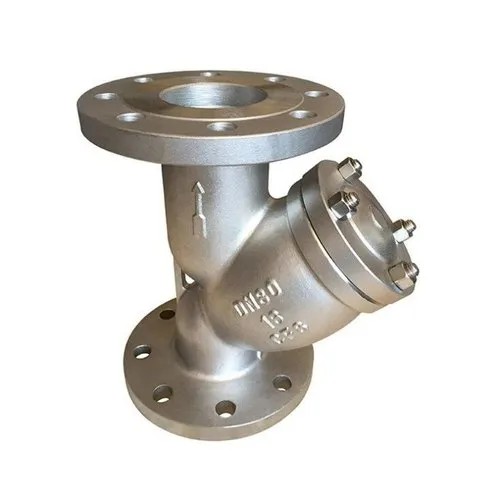
Our team of experienced engineers works closely with clients through a consultative approach, leveraging advanced CFD (Computational Fluid Dynamics) and FEA (Finite Element Analysis) tools to design and validate customized stainless steel strainer solutions. This collaborative process ensures that the final product not only meets the technical specifications but also delivers optimal operational performance and long-term reliability for even the most challenging industrial applications.
Application Case Studies: Real-World Impact of Stainless Steel Strainers
The practical application of a high-quality stainless steel strainer directly translates into tangible operational benefits and significant cost savings. These case studies illustrate the critical role our GL41W-16 / 25P stainless steel y strainer plays in ensuring system reliability and efficiency across various industrial sectors.
Case Study 1: Enhanced Pump Protection in a Chemical Processing Plant
A large chemical manufacturing facility experienced frequent failures of their centrifugal pumps due to foreign particles entering the suction side. The pumps, handling corrosive chemical effluents, required continuous operation. Existing strainers, made of lower-grade materials, suffered from rapid corrosion and allowed fine particulates to pass through, leading to premature wear of impellers and seals, resulting in unscheduled downtime and expensive repairs costing approximately $25,000 per incident.
- Solution: We supplied GL41W-25P stainless steel strainer units in SS316L, equipped with 80-mesh screens, specifically chosen for enhanced chemical resistance and finer particulate removal. The strainers were installed upstream of all critical pumps.
- Outcome: Within six months of installation, pump failures due to particulate damage decreased by 85%. The average lifespan of pump impellers and seals extended from 12 months to over 30 months. The plant reported an annual savings of approximately $75,000 in maintenance and replacement parts, alongside a significant reduction in production interruptions.
Case Study 2: Optimizing Heat Exchanger Performance in a Power Plant
A coal-fired power plant faced persistent fouling in its main cooling water heat exchangers, leading to reduced thermal efficiency and increased energy consumption for cooling. The existing filtration system struggled with high volumes of sediment, algae, and biological growth from the river water intake. Frequent manual cleaning of the heat exchangers was required, leading to high labor costs and efficiency losses of up to 10% in cooling capacity.
- Solution: We implemented large-diameter GL41W-16P stainless strainer units, designed for high flow rates and fitted with self-cleaning capabilities and automated backwash systems. The strainers were built from SS304 for excellent resistance to freshwater biofouling and were equipped with 40-mesh screens to effectively capture prevalent debris.
- Outcome: The efficiency of the heat exchangers improved by an average of 7%, directly translating to reduced fuel consumption for cooling. Manual cleaning frequency was cut by 70%, saving the plant an estimated $50,000 annually in labor and associated costs. The reliability of the cooling system increased, ensuring consistent power output.
Case Study 3: Safeguarding Critical Instrumentation in an Oil Refinery
An oil refinery experienced recurring blockages in its flow meters and control valves installed in hydrocarbon transfer lines, leading to inaccurate readings and faulty valve operation. These incidents caused process control issues and necessitated emergency shutdowns for clearing blockages, impacting production schedules. The existing filtration provided insufficient protection against fine particulate matter inherent in crude oil processing.
- Solution: We provided GL41W-25P stainless steel strainer units in SS316, optimized for hydrocarbon service, with specifically designed 100-mesh screens to capture finer particulates down to approximately 140 microns. These units were strategically placed upstream of sensitive flow meters and control valves.
- Outcome: The frequency of blockages in instruments dropped by over 90%. This resulted in more accurate flow measurements, improved process control, and eliminated unscheduled shutdowns related to instrument fouling. The enhanced system reliability directly contributed to a 2% increase in overall production uptime.
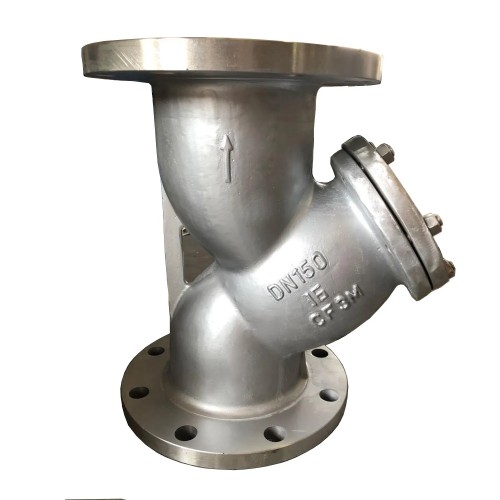
These case studies underscore the tangible value delivered by robust, high-performance stainless steel strainer solutions in diverse and challenging industrial environments. Our commitment to quality and precise engineering directly translates into enhanced operational efficiency, reduced maintenance costs, and improved system reliability for our clients.
Ensuring Trustworthiness: FAQ, Lead Time, Warranty & Support
Building long-term partnerships in the B2B sector hinges on transparent communication, reliable service, and unwavering support. We are committed to fostering trustworthiness through clear policies regarding product information, logistics, and after-sales care for every stainless steel strainer we deliver.
Frequently Asked Questions (FAQ) about Stainless Steel Strainers:
A1: The primary purpose of a stainless steel strainer is to mechanically remove unwanted solid particles from liquid, gas, or steam lines. This protects downstream equipment such as pumps, valves, heat exchangers, and instrumentation from damage, ensuring operational efficiency and extending system lifespan.
A2: Cleaning frequency for a stainless strainer depends heavily on the application, fluid cleanliness, and the amount of particulate matter present. Regular monitoring of the differential pressure across the strainer is the most effective method. An increase in pressure drop indicates the basket is fouling and requires cleaning. In critical systems, differential pressure gauges or transmitters can automate this indication. For general guidelines, quarterly to annually is common, but daily or weekly may be necessary in high-debris applications.
A3: A stainless steel y strainer offers superior corrosion resistance, especially in chemically aggressive or high-temperature environments, compared to cast iron or carbon steel. It also provides higher strength, better aesthetic appeal, and enhanced longevity, leading to lower maintenance and replacement costs over its lifecycle. Various grades (e.g., SS304, SS316, SS316L) allow selection based on specific media compatibility.
A4: Yes, stainless steel strainer units, particularly Y-strainers, are commonly used in gas and steam applications. For these applications, care must be taken to ensure the correct pressure rating, temperature capabilities, and appropriate fine mesh screens are selected to effectively capture rust, scale, and other airborne particles without causing excessive pressure drop.
Lead Time and Fulfillment:
We understand the critical timelines involved in industrial projects. Our standard lead time for the GL41W-16 / 25P stainless steel strainer ranges from 4 to 8 weeks, depending on the specific configuration, quantity, and current production schedule. For urgent requirements, expedited manufacturing and shipping options are available upon request. We maintain a robust supply chain and optimized production workflows to ensure timely delivery without compromising quality. All orders are accompanied by comprehensive documentation, including Material Test Reports (MTRs) and Certificates of Conformance.
Warranty Commitments:
We stand behind the quality and reliability of our products. All GL41W-16 / 25P stainless steel strainer products are backed by a comprehensive warranty of 18 months from the date of shipment or 12 months from the date of installation, whichever comes first. This warranty covers defects in material and workmanship under normal operating conditions. Our commitment to ISO 9001 certified manufacturing processes minimizes the likelihood of such issues, providing our customers with peace of mind.
Customer Support and After-Sales Service:
Our dedication to our clients extends far beyond the point of sale. We offer:
- 24/7 Technical Support: Our team of expert engineers is available around the clock to provide technical assistance, troubleshooting, and application guidance.
- Dedicated Account Managers: Each client is assigned a dedicated account manager for streamlined communication and personalized service.
- Global Service Network: Through our established network, we can provide on-site support and maintenance services where required.
- Spare Parts Availability: We ensure readily available genuine spare parts, including replacement screens and gaskets, to support the long-term operational integrity of your stainless strainer units.
Our proactive approach to customer support ensures that your industrial operations run smoothly and efficiently, leveraging the full potential of our high-quality filtration solutions.
Citations
- American Society of Mechanical Engineers (ASME). "ASME B16.34: Valves—Flanged, Threaded, and Welding End." Latest Edition.
- American Petroleum Institute (API). "API Standard 598: Valve Inspection and Testing." Latest Edition.
- International Organization for Standardization (ISO). "ISO 9001: Quality management systems—Requirements." Latest Edition.
- ASTM International. "A351/A351M: Standard Specification for Castings, Austenitic and Austenitic-Ferritic (Duplex) Stainless Steel, for Pressure-Containing Parts." Latest Edition.
- Valve Manufacturer's Association of America (VMA). "Industrial Valves, Piping, and Valve Standards." Retrieved from www.vma.org.
-
Comprehensive Guide to China Pipe Laterals Fittings for Global Trade ApplicationsNewsFeb.24,2026
-
China Extended Body Gate Valves A Comprehensive Guide To Selection And ApplicationNewsFeb.11,2026
-
Comprehensive Guide to China 3 Inch Butterfly Valve Selection and ApplicationsNewsJan.30,2026
-
Comprehensive Guide to Pipe Adaptors and Fittings for Efficient SystemsNewsJan.28,2026
-
Comprehensive Guide to Pipe T Fittings for Plumbing and Fluid Transfer SystemsNewsJan.28,2026
-
Comprehensive Guide to Union Pipe Fitting Selection and ApplicationsNewsJan.27,2026
-
Comprehensive Guide to China Angle Globe Valves for Industrial ApplicationsNewsJan.27,2026
 Afrikaans
 Albanian
 Amharic
 Arabic
 Armenian
 Azerbaijani
 Basque
 Belarusian
 Bengali
 Bosnian
 Bulgarian
 Catalan
 Cebuano
 Corsican
 Croatian
 Czech
Czech
 Danish
 Dutch
Dutch
 Esperanto
 Estonian
 Finnish
 French
 Frisian
 Galician
 Georgian
 German
 Greek
Greek
 Gujarati
 Haitian Creole
 Hausa
Hausa
 Hawaiian
 Hebrew
 Hindi
Hindi
 Miao
Miao
 Hungarian
 Icelandic
 Igbo
Igbo
 Indonesian
 Irish
Irish
 Italian
 Japanese
 Javanese
 Kannada
 Kazakh
 Khmer
Khmer
 Rwandese
 Korean
 Kurdish
 Kyrgyz
 Lao
Lao
 Latin
Latin
 Latvian
 Lithuanian
 Luxembourgish
 Macedonian
 Malgashi
 Malay
Malay
 Malayalam
 Maltese
 Maori
Maori
 Marathi
 Mongolian
 Myanmar
 Nepali
 Norwegian
 Norwegian
 Occitan
 Pashto
 Persian
 Polish
 Portuguese
 Punjabi
 Romanian
 Russian
 Samoan
 Scottish Gaelic
 Serbian
 Sesotho
 Shona
Shona
 Sindhi
 Sinhala
 Slovak
 Slovenian
 Somali
 Spanish
 Sundanese
 Swahili
 Swedish
 Tagalog
 Tajik
Tajik
 Tamil
Tamil
 Tatar
Tatar
 Telugu
 Thai
Thai
 Turkish
 Turkmen
 Ukrainian
 Urdu
Urdu
 Uighur
 Uzbek
Uzbek
 Vietnamese
 Welsh
Welsh
 Bantu
Bantu
 Yiddish
 Yoruba
 Zulu
Zulu
 English