




Rising Stem Knife Gate Valve: Reliable, Visible Shut-off Solutions
Industry Trends and the Critical Role of Knife Gate Valves
In modern industrial fluid control systems, the efficiency, reliability, and longevity of isolation valves are paramount. The market for industrial valves is currently experiencing significant growth, driven by increasing demand from sectors such as wastewater treatment, mining, pulp and paper, and power generation. A key component addressing these evolving needs is the rising stem knife gate valve. This specialized valve design is engineered to handle abrasive, corrosive, and high-viscosity media with exceptional efficacy.
Industry trends indicate a strong shift towards valves that offer superior sealing capabilities, minimal pressure drop, and robust construction for arduous applications. Furthermore, the emphasis on operational safety, environmental compliance, and reduced maintenance downtime is influencing product development. The inherent design of the rising stem knife gate valve, featuring a sharp, retractable gate, allows it to effectively cut through solidified media and clear the flow path, making it indispensable in environments where traditional gate or ball valves would quickly foul or fail. This demand for robust performance translates into a global market that values innovation in material science, precision engineering, and comprehensive after-sales support.
Manufacturing Process Flow: Precision Engineering for Durability
The production of a high-quality rising stem knife gate valve involves a meticulously controlled multi-stage process, ensuring compliance with international standards and optimal performance in demanding industrial settings. Below is a detailed overview of the manufacturing workflow:
- Material Selection & Sourcing: Based on application requirements (e.g., media corrosiveness, temperature, pressure), high-grade materials like ductile iron, cast steel, stainless steel (e.g., SS304, SS316), or specialized alloys are selected for the body, gate, and stem. Material certifications (e.g., ASTM, EN) are verified to ensure metallurgical integrity.
- Casting or Forging: The valve body is typically formed through precision casting (e.g., sand casting, investment casting) for complex geometries or forging for superior strength and fatigue resistance in critical pressure applications. This initial stage defines the structural foundation of the valve.
- CNC Machining: Advanced Computer Numerical Control (CNC) machining centers are utilized to achieve precise dimensions and tight tolerances for critical components like the valve seat, gate, stem, and bonnet. This ensures optimal sealing, smooth operation, and interchangeability of parts. Surface finishes are meticulously controlled to reduce friction and enhance corrosion resistance.
- Gate and Seat Fabrication: The knife gate is often ground and polished to a specific edge profile for effective cutting action. Seats, crucial for sealing, are machined with precision and may incorporate resilient materials like EPDM, NBR, Viton, or PTFE depending on chemical compatibility and temperature.
- Assembly: Components are carefully assembled in a clean environment. This involves securing the gate to the rising stem, installing packing and seals, attaching the bonnet, and integrating the chosen actuator (e.g., handwheel, pneumatic cylinder, electric motor). Proper torqueing and lubrication are critical.
- Testing & Quality Assurance: Every valve undergoes rigorous testing to meet or exceed industry standards such as ISO 5208 (pressure testing), ANSI/FCI 70-2 (seat leakage), and API 598 (valve inspection and testing). Hydrostatic shell tests (e.g., 1.5 times nominal pressure) and seat leakage tests (e.g., 1.1 times nominal pressure) are standard. Non-destructive testing (NDT) like radiographic inspection or ultrasonic testing may be performed on castings for critical applications.
- Surface Treatment & Finishing: Depending on the application, valves may undergo surface treatments such as sandblasting, painting, or specialized coatings (e.g., epoxy, FBE) to enhance corrosion resistance and aesthetic appeal.
- Packaging & Shipping: Finished valves are carefully packaged to prevent damage during transit, with appropriate documentation and certifications included.
This meticulous process ensures a service life often exceeding 10 years under proper operating conditions. Target industries for these valves include petrochemical, metallurgy, mining, wastewater treatment, power generation, and pulp & paper. Advantages demonstrated in typical scenarios include significant energy saving due to low pressure drop in the open position and exceptional corrosion resistance when specified with appropriate materials.
Technical Specifications and Parameters
Understanding the precise technical specifications of a rising stem knife gate valve is crucial for ensuring optimal system integration and long-term performance. Our DN 50-600mm range provides versatility for various industrial fluid control challenges. Key parameters include nominal diameter (DN), nominal pressure (PN), applicable medium, and operating temperature range.

Figure 1: Illustration of a Rising Stem Knife Gate Valve
| Parameter | Specification Details |
|---|---|
| Nominal Diameter (DN) | DN 50 - DN 600 (2 inches - 24 inches) |
| Nominal Pressure (PN) | PN 10, PN 16 (Class 150) |
| Body Material | Ductile Iron (GGG40/GGG50), Cast Steel (WCB), Stainless Steel (CF8/CF8M) |
| Gate Material | Stainless Steel (SS304, SS316, SS316L) |
| Seat Material | EPDM, NBR, Viton, PTFE, Metal-to-Metal |
| Stem Material | Stainless Steel (SS410, SS304, SS316) |
| Applicable Medium | Slurry, Wastewater, Pulp, Granular Media, Chemical Sludge, Viscous Fluids |
| Operating Temperature | -20°C to 180°C (depending on seat material) |
| Connection Type | Wafer, Lug, Flanged (ASME B16.5, EN 1092-1) |
| Actuation | Handwheel, Bevel Gear, Pneumatic, Electric, Hydraulic |
| Design Standard | MSS SP-81, ASME B16.34, EN 1074 |
| Testing Standard | API 598, ISO 5208, EN 12266-1 |
Versatile Application Scenarios
The robust design and superior sealing capabilities of the rising stem knife gate valve make it ideal for a multitude of industrial applications where reliable shut-off of challenging media is essential. Its ability to handle high-solids content without clogging sets it apart.
- Wastewater Treatment Plants: Crucial for controlling raw sewage, sludge, and reclaimed water lines. The sharp gate efficiently cuts through rags and solids, preventing blockages and ensuring smooth operation.
- Mining Industry: Utilized in slurry lines, tailings management, and ore processing, where abrasive slurries and high-solids media are common. Their durability against erosion and ease of maintenance are highly valued.
- Pulp and Paper Mills: Essential for managing pulp stock, wood chips, and various process chemicals. The valve's ability to handle fibrous materials without clogging is a significant advantage.
- Power Generation: Found in ash handling systems, scrubber systems (FGD), and cooling water circuits, dealing with abrasive fly ash slurries and corrosive flue gas desulfurization media.
- Chemical Processing: Employed in processes involving corrosive chemicals, viscous liquids, and slurries where positive isolation is critical for safety and process integrity.
- Food & Beverage: Specialized stainless steel versions are used in applications requiring sanitary conditions and handling of viscous food products or wash-down processes.
Technical Advantages: Performance Beyond Standard Valves
The design innovations incorporated into the rising stem knife gate valve translate into several distinct technical advantages, making it a preferred choice for challenging applications.
- Superior Sealing for Slurries: The sharp-edged gate, combined with resilient or metal seats, ensures a tight shut-off even when handling media with high suspended solids, preventing leakage and ensuring process integrity.
- Non-Clogging Operation: Unlike conventional gate valves, the knife gate is designed to shear through solids, preventing accumulation in the valve cavity and ensuring reliable closure and opening, which contributes to lower maintenance costs.
- Corrosion and Abrasion Resistance: With options for body and gate materials like SS316, duplex stainless steel, or specialized coatings, these valves offer exceptional resistance to corrosive chemicals and abrasive slurries, extending service life significantly.
- Low Pressure Drop: When fully open, the valve offers a full-bore, unrestricted flow path, leading to minimal pressure drop across the valve. This results in energy saving for pumping systems and improved overall hydraulic efficiency.
- Versatile Actuation Options: Available with manual (handwheel, bevel gear), pneumatic, electric, or hydraulic actuators, allowing for integration into automated control systems and remote operation.
- Compact Design: Knife gate valves are generally more compact and lighter than other valve types of similar size, simplifying installation and reducing structural support requirements.
Vendor Comparison: Key Differentiators in the Market
Selecting the right supplier for a rising stem knife gate valve is paramount, as quality, reliability, and support can vary significantly. While numerous manufacturers exist, discerning buyers focus on several critical differentiators beyond just price.
| Factor | High-Value Vendor Profile | Lower-Value Vendor Profile |
|---|---|---|
| Certifications & Standards | ISO 9001, CE, API, SIL-rated (where applicable), specific material certificates. Demonstrated compliance with MSS SP-81. | Minimal or no recognized certifications; limited adherence to international standards. |
| Material Quality & Traceability | Full material traceability (MTRs), use of premium-grade alloys. Robust QA/QC processes. | Questionable material sourcing, lack of MTRs, use of inferior or untested alloys. |
| Engineering & Customization | In-house engineering team, ability to offer tailored designs for specific media/applications. | Limited design flexibility, only standard off-the-shelf products. |
| Testing & QA Protocols | 100% hydrostatic and seat leakage testing, NDT options, comprehensive factory acceptance tests (FAT). | Minimal or partial testing, reliance on batch testing, potential for undetected defects. |
| After-Sales Support & Warranty | Global service network, prompt technical support, comprehensive warranty, spare parts availability. | Limited or non-existent support post-purchase, unclear warranty terms, difficulty in obtaining spare parts. |
| Track Record & Experience | Decades of experience, positive customer testimonials, references from major industrial clients, robust service history. | New to market or unproven, limited client portfolio, lack of long-term performance data. |
Our commitment to strict adherence to ISO 9001 quality management systems, combined with over two decades of experience in the valve manufacturing industry, positions us as a trusted partner. We have served numerous international clients, including major players in petrochemical and mining, underscoring our authoritative standing in the market.
Customized Solutions for Unique Challenges
While standard rising stem knife gate valve configurations meet a broad range of applications, many industrial processes present unique challenges requiring bespoke solutions. Our engineering team specializes in tailoring valve designs to precise operational parameters.
Customization options include:
- Exotic Materials: For highly corrosive or erosive media, we can incorporate special alloys such as Hastelloy, Duplex Stainless Steel, or Ceramic-lined gates for enhanced durability.
- Specialized Actuators: Integration with advanced control systems requiring specific pneumatic, hydraulic, or electric actuators with feedback sensors, positioners, or explosion-proof ratings.
- Bonnetless or Extended Bonnet Designs: For specific space constraints or cryogenic/high-temperature applications.
- Purge Ports: To flush out media accumulation around the seat area, particularly useful for sticky or crystallizing fluids.
- Custom Face-to-Face Dimensions: To match existing pipeline infrastructure.
- Wear Liners: For extreme abrasive services, replaceable wear liners can be integrated into the valve body to prolong service life.
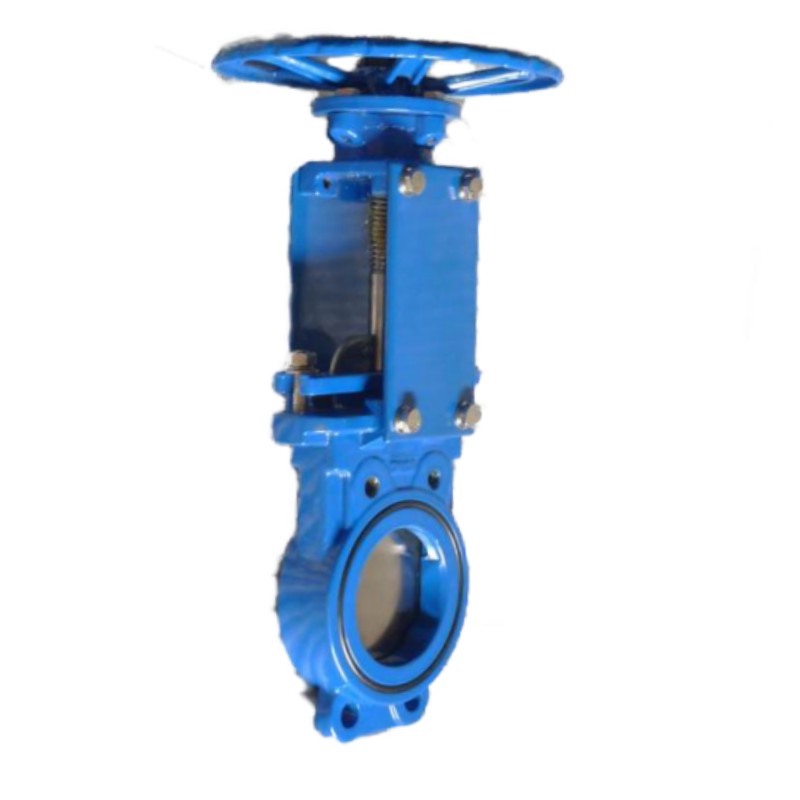
Figure 2: Customized Rising Stem Knife Gate Valve for Heavy-Duty Application
Our design validation process involves detailed CAD modeling, FEA (Finite Element Analysis) for stress analysis, and rigorous prototyping to ensure that customized solutions meet the exact performance and safety criteria of the client.
Application Case Studies: Proven Performance in Real-World Scenarios
Our rising stem knife gate valve solutions have consistently delivered exceptional performance and reliability across diverse industrial landscapes. Here are a few examples showcasing their impact:
Case Study 1: Municipal Wastewater Treatment Plant
- Challenge: A large municipal wastewater treatment plant in North America faced persistent clogging and premature failure of traditional gate valves in their primary sludge lines due to high solids content and fibrous materials.
- Solution: We supplied 15 units of DN 300 (12-inch) Rising Stem Knife Gate Valves with SS316 gates and EPDM seats. These valves were chosen for their robust design and superior ability to cut through solids.
- Results: After 3 years of continuous operation, the plant reported zero clogging incidents attributable to the valves, a 75% reduction in valve-related maintenance costs, and significantly improved operational efficiency. The plant manager praised the valves' reliability, stating, "These knife gate valves have been a game-changer for our sludge handling process."
Case Study 2: Copper Mining Slurry Pipeline
- Challenge: An open-pit copper mine in South America experienced severe erosion and short service life with their existing valves in highly abrasive copper slurry transport lines, leading to frequent downtime and high replacement costs.
- Solution: We provided custom-engineered DN 450 (18-inch) Rising Stem Knife Gate Valves featuring specialized hardened alloy gates and replaceable elastomer liners, designed to withstand extreme abrasive conditions.
- Results: The customized valves demonstrated a service life increase of over 200% compared to previous installations. The mine observed a substantial decrease in maintenance interventions and associated labor costs, directly impacting their operational profitability.
Frequently Asked Questions (FAQ)
Q1: What is the main difference between a rising stem and a non-rising stem knife gate valve?
A1: In a rising stem design, the stem literally rises out of the valve bonnet as the valve opens, providing a visual indication of the valve's position. This is beneficial for quick visual confirmation in critical applications. In contrast, a non-rising stem design keeps the stem within the valve body, saving vertical space, but requires other indicators for position.
Q2: How do you ensure the longevity of your knife gate valves in abrasive slurry applications?
A2: We employ several strategies: selecting highly wear-resistant materials for the gate (e.g., hardened stainless steel, ceramic coatings), utilizing robust gland packing systems to prevent leakage and stem wear, and offering replaceable elastomer or metal seats that can be easily serviced, extending the overall service life of the rising stem knife gate valve.
Q3: What certifications do your valves hold?
A3: Our manufacturing facility is ISO 9001 certified, ensuring strict quality management throughout the production process. Our valves adhere to international design standards such as MSS SP-81, ASME B16.34, and EN 1074, and are tested according to API 598 and ISO 5208. Material test reports (MTRs) are available upon request.
Lead Time, Warranty, and After-Sales Support
We understand that timely delivery and reliable support are crucial for industrial operations.
- Lead Time: Standard configurations for our DN 50-600mm rising stem knife gate valve typically have a lead time of 4-6 weeks from order confirmation. Custom or larger orders may require 8-12 weeks, depending on complexity and material availability. We prioritize transparent communication regarding lead times.
- Warranty: All our valves come with a comprehensive 12-month warranty from the date of installation or 18 months from the date of shipment, whichever comes first. This warranty covers manufacturing defects and material failures under normal operating conditions. Detailed warranty terms are provided with each order.
- Customer Support: Our dedicated after-sales support team is available to assist with technical queries, troubleshooting, spare parts identification, and maintenance guidance. We offer global support with regional representatives and a rapid response mechanism to minimize operational disruptions for our clients.
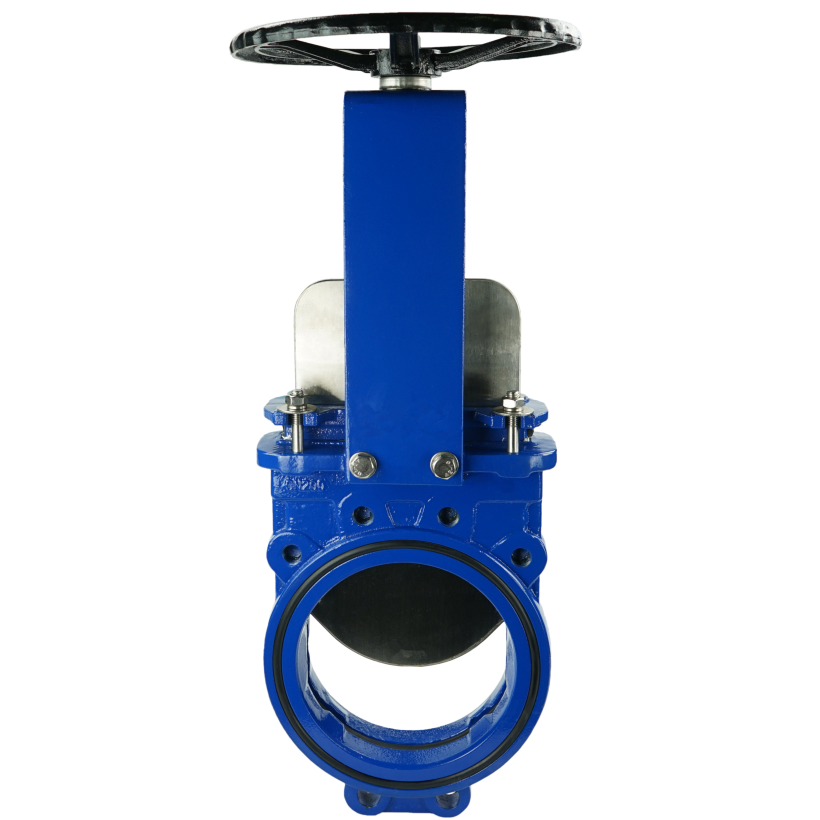
Figure 3: Quality Assurance Process in Valve Manufacturing
Conclusion
The rising stem knife gate valve stands as a testament to specialized engineering in the industrial valve sector. Its unique design and robust construction make it an indispensable asset in processes involving challenging, high-solids, or abrasive media. By offering a comprehensive range from DN 50 to 600mm, coupled with extensive customization options and unwavering commitment to quality and service, we empower industries to achieve unparalleled efficiency, reliability, and longevity in their fluid control systems. Our dedication to meeting stringent industry standards, coupled with proven performance in diverse application scenarios, ensures that our knife gate valves are not just components, but critical enablers of operational excellence.
References
- ISO 9001:2015 Quality Management Systems – Requirements. International Organization for Standardization.
- MSS SP-81: Standard Practice for Stainless Steel Knife Gate Valves. Manufacturers Standardization Society of the Valve and Fittings Industry.
- ASME B16.34: Valves—Flanged, Threaded, and Welding End. American Society of Mechanical Engineers.
- API 598: Valve Inspection and Testing. American Petroleum Institute.
- "Valve Handbook" by Philip L. Skousen, 4th Edition, McGraw-Hill Education, 2011.
-
Comprehensive Guide to China Pipe Laterals Fittings for Global Trade ApplicationsNewsFeb.24,2026
-
China Extended Body Gate Valves A Comprehensive Guide To Selection And ApplicationNewsFeb.11,2026
-
Comprehensive Guide to China 3 Inch Butterfly Valve Selection and ApplicationsNewsJan.30,2026
-
Comprehensive Guide to Pipe Adaptors and Fittings for Efficient SystemsNewsJan.28,2026
-
Comprehensive Guide to Pipe T Fittings for Plumbing and Fluid Transfer SystemsNewsJan.28,2026
-
Comprehensive Guide to Union Pipe Fitting Selection and ApplicationsNewsJan.27,2026
-
Comprehensive Guide to China Angle Globe Valves for Industrial ApplicationsNewsJan.27,2026
 Afrikaans
 Albanian
 Amharic
 Arabic
 Armenian
 Azerbaijani
 Basque
 Belarusian
 Bengali
 Bosnian
 Bulgarian
 Catalan
 Cebuano
 Corsican
 Croatian
 Czech
Czech
 Danish
 Dutch
Dutch
 Esperanto
 Estonian
 Finnish
 French
 Frisian
 Galician
 Georgian
 German
 Greek
Greek
 Gujarati
 Haitian Creole
 Hausa
Hausa
 Hawaiian
 Hebrew
 Hindi
Hindi
 Miao
Miao
 Hungarian
 Icelandic
 Igbo
Igbo
 Indonesian
 Irish
Irish
 Italian
 Japanese
 Javanese
 Kannada
 Kazakh
 Khmer
Khmer
 Rwandese
 Korean
 Kurdish
 Kyrgyz
 Lao
Lao
 Latin
Latin
 Latvian
 Lithuanian
 Luxembourgish
 Macedonian
 Malgashi
 Malay
Malay
 Malayalam
 Maltese
 Maori
Maori
 Marathi
 Mongolian
 Myanmar
 Nepali
 Norwegian
 Norwegian
 Occitan
 Pashto
 Persian
 Polish
 Portuguese
 Punjabi
 Romanian
 Russian
 Samoan
 Scottish Gaelic
 Serbian
 Sesotho
 Shona
Shona
 Sindhi
 Sinhala
 Slovak
 Slovenian
 Somali
 Spanish
 Sundanese
 Swahili
 Swedish
 Tagalog
 Tajik
Tajik
 Tamil
Tamil
 Tatar
Tatar
 Telugu
 Thai
Thai
 Turkish
 Turkmen
 Ukrainian
 Urdu
Urdu
 Uighur
 Uzbek
Uzbek
 Vietnamese
 Welsh
Welsh
 Bantu
Bantu
 Yiddish
 Yoruba
 Zulu
Zulu
 English