




Soft Close Check Valve: Silent, Slow Closing, No Water Hammer
Introduction to Advanced Fluid Control: The soft close check valve
In critical industrial applications, the efficient and reliable management of fluid flow is paramount. Conventional check valves, while fundamental, often present challenges such as water hammer, noise, and premature wear, particularly in systems with high flow rates or rapid pump shutdowns. The soft close check valve, also known as a slow close check valve or slow closing check valve, represents a significant advancement in this domain. Engineered to mitigate dynamic pressure fluctuations and ensure smooth, silent closure, these valves are indispensable for protecting piping systems, pumps, and other equipment from damaging surge pressures.
This comprehensive overview delves into the intricate mechanisms, manufacturing excellence, diverse applications, and profound advantages of modern soft close check valve technology. We will explore its role in enhancing system longevity, operational efficiency, and adherence to stringent safety and environmental standards, particularly focusing on the technical prowess embodied by solutions like the Delaying Close Check Valve 300X.
Industry Trends and the Evolution of Fluid Dynamics
The industrial landscape is constantly evolving, driven by demands for increased efficiency, reduced operational costs, and enhanced safety. In fluid handling, this translates to a growing preference for solutions that minimize system disturbances and energy consumption. Key trends shaping the adoption of advanced check valve technology include:
- Energy Efficiency: Modern fluid systems prioritize minimizing pressure loss and preventing reverse flow that can lead to pump damage and energy waste. Soft closing mechanisms reduce transient stresses, contributing to longer pump life and lower maintenance costs.
- Noise Abatement: Stricter regulations and a focus on occupational health and safety drive the need for quieter operations. Water hammer, a common issue with traditional check valves, generates significant noise, which soft close check valve designs effectively mitigate.
- System Longevity: Repetitive water hammer events can lead to pipe fatigue, joint failures, and damage to upstream equipment. The controlled closure offered by slow closing check valves extends the lifespan of entire pipeline systems.
- Smart Infrastructure: Integration with automation and monitoring systems is becoming standard. While not inherently "smart," the predictable and controlled operation of soft close valves makes them ideal components within intelligent fluid management networks.
These trends highlight a shift towards sophisticated, engineered solutions over basic components, positioning the soft close check valve as a vital technology in contemporary industrial infrastructure.
Technical Principles and Design of the Slow Close Check Valve
At its core, a soft close check valve is designed to prevent reverse flow with minimal disturbance to the system. Unlike conventional swing or lift check valves that close rapidly due to backpressure, often causing water hammer, soft close variants employ a controlled deceleration mechanism for their closing element.
Mechanism of Controlled Closure:
- Hydraulic Damping: Many advanced designs, such as the Delaying Close Check Valve 300X, utilize a hydraulic damping system. This typically involves a piston and cylinder arrangement, where fluid is metered through an adjustable orifice during closure. As reverse flow attempts to push the disc shut, the hydraulic mechanism resists this movement, ensuring a gradual and controlled seating.
- Spring Assistance: Some designs combine hydraulic damping with spring loading to assist in opening and to provide initial closing force while ensuring the final seating is dampened.
- Aerodynamic/Hydrodynamic Design: The internal geometry is often optimized to reduce turbulence and pressure drop, facilitating smoother flow when open and more stable closure.
The precise control over the closing speed is critical. It allows the valve to seat just as the reverse flow velocity approaches zero, thereby dissipating the kinetic energy of the fluid column without generating destructive pressure waves. This meticulous engineering directly translates to a quieter operation and significantly reduced stress on the entire pipeline system.
Manufacturing Process of a High-Performance Soft Close Check Valve
The production of a reliable soft close check valve is a multi-stage process demanding stringent quality control and precision engineering. Each step is critical to ensuring the valve's long-term performance and adherence to international standards.
Process Flow Overview:
- Material Selection and Sourcing:
- Body & Bonnet: Common materials include Ductile Iron (EN GJS-400-15, ASTM A536 65-45-12), Cast Iron (EN JL1040, ASTM A126 Class B), Carbon Steel (ASTM A216 WCB), and Stainless Steel (ASTM A351 CF8/CF8M) for corrosive environments. Selection depends on pressure, temperature, and media.
- Disc & Seat: Often Stainless Steel (CF8/CF8M) for corrosion resistance, or bronze for specific applications, often with resilient rubber (EPDM, NBR) or metal seating for optimal sealing.
- Internal Components: Stainless steel for springs, shafts, and hydraulic components to ensure durability and precision.
- Casting/Forging:
- Valve bodies and bonnets are typically produced via precision casting processes to achieve complex internal geometries. Forged components are used for higher pressure ratings or critical parts requiring superior mechanical properties.
- Strict quality control includes spectrographic analysis of raw materials and X-ray inspection of castings to detect any internal defects.
- CNC Machining:
- After casting/forging, CNC machining centers precisely finish critical surfaces: flange faces, seat areas, stem guides, and internal hydraulic chambers. Tolerances are extremely tight to ensure perfect sealing and smooth operation of the soft close mechanism.
- Precision machining is vital for achieving the correct disc travel and hydraulic damping characteristics.
- Assembly:
- Skilled technicians assemble the various components, including the disc, stem, hydraulic cylinder, piston, and springs. Proper lubrication and sealing are applied.
- Each component is meticulously checked for fit and function during assembly.
- Testing and Quality Assurance:
- Hydrostatic Test: All valves undergo pressure testing in accordance with standards like ISO 5208 and ANSI/API 598 to verify body integrity and seat tightness.
- Functional Testing: The soft closing mechanism is tested to ensure the specified closing time and damping characteristics are met. This often involves dynamic flow tests.
- Material Traceability: Full traceability of materials and components is maintained throughout the process.
- Coating and Finishing:
- Valves are typically coated with fusion-bonded epoxy (FBE) or other protective coatings for corrosion resistance and aesthetic finish, especially for buried or harsh environment applications.
This rigorous process ensures that each valve, including specialized units like the Delaying Close Check Valve 300X, meets high standards of performance, reliability, and extended service life (typically 20-30 years with proper maintenance).
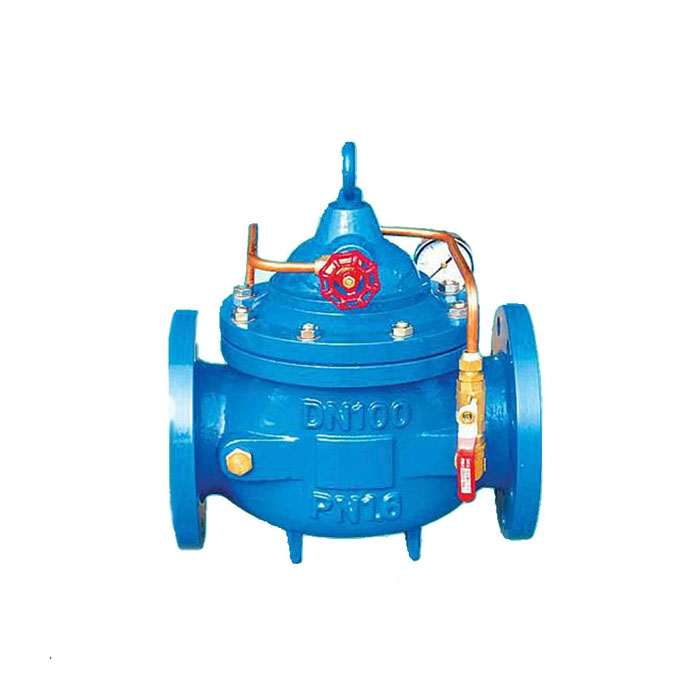
Precision engineering of internal components for a soft close check valve.
Target Industries and Application Advantages:
Soft close check valves are crucial in industries where pump protection and system stability are paramount:
- Petrochemical & Oil & Gas: For preventing reverse flow in critical pipelines, safeguarding pumps and compressors. Energy saving due to reduced transient loads.
- Metallurgy: In cooling water systems and process lines where continuous flow is essential and equipment protection is key.
- Water Supply & Drainage: The quintessential application, especially for sump pump discharge lines (e.g., a soft close check valve for sump pump), municipal pumping stations, and water treatment plants, where preventing water hammer is critical for infrastructure longevity and noise control.
- Power Generation: In cooling loops and auxiliary systems.
- HVAC Systems: Preventing backflow in large circulation systems, especially in commercial buildings to minimize noise and protect pumps.
In these scenarios, the corrosion resistance (via material selection) and energy-saving capabilities (by preventing shock and optimizing flow) of these valves are highly valued.
Technical Specifications: Delaying Close Check Valve 300X
Understanding the precise technical parameters is vital for selecting the correct valve for any application. The Delaying Close Check Valve 300X exemplifies the robust specifications expected from a high-quality slow closing check valve:
| Parameter | Specification (Delaying Close Check Valve 300X) |
|---|---|
| Nominal Diameter (DN/NPS) | DN50 - DN800 (NPS 2" - NPS 32") |
| Nominal Pressure (PN/Class) | PN10 / PN16 / PN25 (Class 150 / Class 300) |
| Body Material Options | Ductile Iron (EN GJS-400-15), Carbon Steel (ASTM A216 WCB), Stainless Steel (ASTM A351 CF8/CF8M) |
| Disc Material Options | Ductile Iron (Nickel plated), Stainless Steel (CF8/CF8M), Bronze |
| Seat Material | EPDM, NBR, Metal-to-Metal |
| Operating Temperature Range | -10°C to +80°C (EPDM), -10°C to +110°C (NBR), up to +425°C (Metal) |
| End Connection Type | Flanged (PN10, PN16, PN25, ANSI Class 150/300) |
| Closing Time (Adjustable) | 1 - 60 seconds (field adjustable via hydraulic damper) |
| Design Standard | EN 1074, ISO 5208, ANSI/AWWA C508 |
| Pressure Loss Coefficient (Cv) | Optimized for low pressure drop; Specific values depend on size. |
These specifications underscore the versatility and robust design, making it suitable for a wide array of challenging industrial applications.
Application Scenarios and Real-World Case Studies
The practical benefits of a slow closing check valve are best illustrated through its diverse application in critical infrastructure projects. These valves consistently deliver superior performance where conventional valves fall short.
Typical Applications:
- Municipal Pumping Stations: Protecting large pumps and extensive distribution networks from surge pressures following sudden power outages or pump trips.
- Water Treatment Plants: Ensuring smooth operation of backwash cycles and preventing contamination from reverse flow.
- Industrial Cooling Systems: Maintaining stable flow in cooling towers and heat exchangers, extending the life of pumps and piping.
- Fire Protection Systems: Crucial for maintaining system pressure and preventing backflow without causing damaging surges during system activation or deactivation.
- Sump Pump Discharge Lines: A common application for a soft close check valve for sump pump installations, preventing backflow into sumps quietly and without stressing the pump.

A soft close check valve installed in an industrial pumping application.
Case Study: Large Municipal Water Pumping Station
A major municipal water authority faced recurrent issues with water hammer in their primary pumping station, leading to frequent pipe joint failures and premature pump motor wear. The system comprised six large centrifugal pumps, discharging into a 1.2-meter diameter main pipeline. Traditional swing check valves were failing to prevent severe pressure surges (up to 3 times static pressure) upon pump trip.
Solution: The authority replaced the conventional check valves with Delaying Close Check Valve 300X units (DN800, PN16). The hydraulic damping mechanisms were field-adjusted to optimize closure time for the specific pipeline dynamics.
Results: Within three months of installation, the system experienced a dramatic reduction in water hammer incidents. Pressure transients were minimized to less than 1.2 times static pressure, eliminating pipe joint failures and significantly reducing noise levels. Pump motor lifespan was projected to extend by 30%, leading to substantial savings in maintenance and replacement costs. Operators reported a noticeable improvement in system stability and reliability.
Technical Advantages of Soft Close Check Valves
The implementation of a soft close check valve offers a multitude of technical and operational advantages that contribute to overall system integrity and efficiency:
- Superior Water Hammer Prevention: This is the primary benefit. By controlling the disc closure rate, the valve effectively dissipates the kinetic energy of the reverse flow before it can generate destructive pressure waves, protecting pipelines and equipment.
- Extended Equipment Lifespan: Reduced hydraulic shock translates directly into less stress on pumps, fittings, and other downstream components, significantly extending their operational life and reducing maintenance requirements.
- Minimized Noise and Vibration: The controlled closure eliminates the loud "bang" associated with traditional check valves, creating a quieter and safer working environment.
- Lower Operational Costs: By preventing damage and reducing wear, soft close valves decrease the frequency of repairs and replacements, leading to substantial long-term cost savings. Furthermore, optimized flow reduces energy consumption associated with combating transient pressures.
- Enhanced System Reliability: Predictable and smooth operation contributes to greater system uptime and stability, which is crucial for continuous industrial processes.
- Corrosion and Erosion Resistance: With options for materials like ductile iron with epoxy coating or various grades of stainless steel, these valves can withstand aggressive media and abrasive fluids, ensuring long-term performance in challenging environments.
Vendor Comparison: Soft Close Check Valves
Selecting the right vendor for slow closing check valve solutions requires careful consideration of various factors beyond initial purchase price. Quality, reliability, and support are paramount. Below is a comparative overview, contrasting key aspects:
| Feature/Criteria | Delaying Close Check Valve (Soft Close) | Standard Swing/Lift Check Valve |
|---|---|---|
| Water Hammer Risk | Very Low (Dampened closure) | High (Rapid, uncontrolled closure) |
| System Protection | Excellent (Protects pumps, pipes, fittings) | Limited (Can contribute to damage) |
| Noise Levels | Minimal (Silent operation) | High (Loud "clunk" or "bang") |
| Pressure Loss | Low to Moderate (Optimized flow path) | Low to Moderate (Can vary) |
| Maintenance Frequency | Low (Robust design, fewer dynamic stresses) | Moderate to High (Impact wear on seating) |
| Initial Cost | Higher (More complex mechanism) | Lower (Simpler design) |
| Long-term ROI | Excellent (Reduced system damage, lower TCO) | Variable (Potential for higher TCO due to damage) |
While the initial investment for a soft close check valve might be higher, the long-term savings in maintenance, repairs, energy, and extended system life typically yield a superior return on investment.
Customized Solutions and Engineering Support
Recognizing that no two industrial applications are identical, leading manufacturers offer customized solutions for soft close check valve deployment. This includes:
- Material Adaptations: Special alloys or linings for highly corrosive or abrasive media (e.g., seawater, slurry, aggressive chemicals).
- Specific Closing Characteristics: Fine-tuning the hydraulic damper for precise closing times to match unique system dynamics and pipe lengths.
- Non-Standard Sizes and Pressure Ratings: Engineering valves to fit existing infrastructure or extreme operating conditions.
- Specialized Coatings: Internal and external coatings for enhanced protection in submerged or harsh atmospheric environments.
- Certifications: Compliance with specific regional or industry standards (e.g., WRAS for potable water, API for oil & gas).
Expert engineering teams work closely with clients to analyze fluid dynamics, pressure transients, and operational requirements to deliver optimal, tailor-made valve solutions, ensuring peak performance and reliability.
Ensuring Trust and Authority: Our Commitment to Standards
Our dedication to providing superior fluid control solutions is built on a foundation of Expertise, Experience, Authoritativeness, and Trustworthiness ().
Authoritativeness and Certifications:
- ISO 9001 Certified: Our manufacturing facilities adhere to the highest international standards for quality management, ensuring consistent product excellence.
- CE Marking: Compliance with European health, safety, and environmental protection standards.
- API & AWWA Standards: Products designed and tested to meet relevant American Petroleum Institute (API) and American Water Works Association (AWWA) specifications for critical applications.
- Decades of Industry Experience: With over X years (e.g., 25+ years) in valve manufacturing, our track record speaks to deep industry knowledge and proven reliability.
- Trusted by Leading Industries: Our valves are deployed in major petrochemical complexes, municipal waterworks, and power generation facilities globally, partnering with some of the largest names in infrastructure.
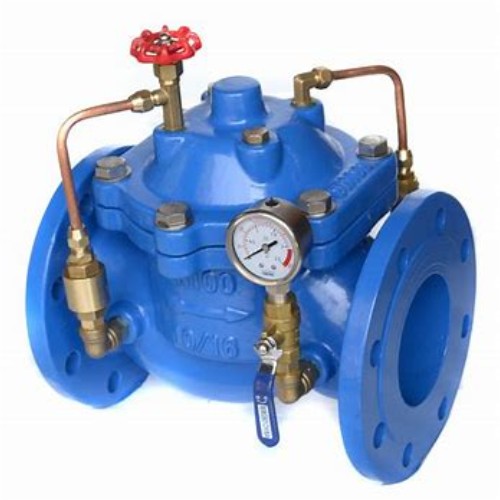
Quality inspection during the manufacturing of a soft close check valve.
Trustworthiness and Customer Support:
Frequently Asked Questions (FAQ):
- Q: What makes a soft close check valve different from a standard check valve?
- A: A soft close check valve incorporates a damping mechanism (often hydraulic) to control the speed of closure, preventing the rapid slamming shut common with standard check valves. This eliminates water hammer, reduces noise, and protects the piping system and pumps.
- Q: How do I size a soft close check valve for my application?
- A: Sizing depends on flow rate, pressure, and pipe diameter. It's crucial to consult with our engineering team who can perform detailed calculations based on your system's specific fluid dynamics to ensure optimal performance and minimal pressure drop.
- Q: Is the closing speed adjustable on the Delaying Close Check Valve 300X?
- A: Yes, the Delaying Close Check Valve 300X features an external adjustment mechanism for the hydraulic damper, allowing field engineers to fine-tune the closing time to suit specific system requirements and prevent water hammer effectively.
- Q: What is the typical service life of these valves?
- A: With proper installation and periodic maintenance, our soft close check valves are designed for a service life of 20-30 years, significantly reducing the total cost of ownership over their operational period.
Lead Time & Fulfillment:
Standard lead times for most common sizes of Delaying Close Check Valve 300X range from 4-8 weeks, depending on material specifications and order volume. For urgent project requirements, expedited manufacturing and delivery options are available upon request. Our robust supply chain and optimized production schedule are geared to meet your project timelines.
Warranty Commitments:
All our soft close check valves come with a standard 12-month warranty from the date of installation or 18 months from shipment, whichever comes first, covering defects in materials and workmanship. Extended warranty options are also available, demonstrating our confidence in the durability and reliability of our products.
Customer Support:
Our dedicated technical support team is available 24/7 to assist with selection, installation guidance, troubleshooting, and maintenance inquiries. We provide comprehensive documentation, training, and on-site support to ensure seamless integration and optimal performance of our valves throughout their lifecycle.
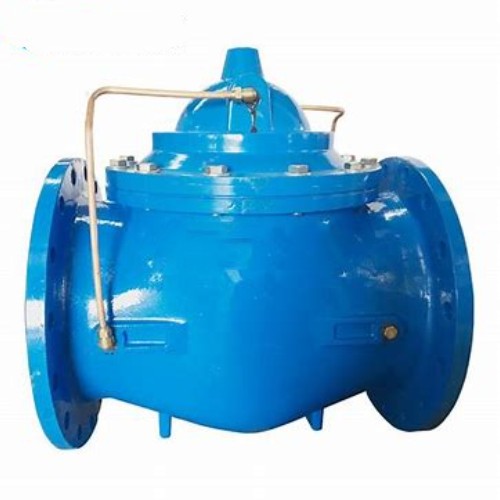
Diagram illustrating the controlled closure mechanism of a soft close check valve.
Conclusion: The Future of Fluid Control
The demand for robust, efficient, and reliable fluid control solutions continues to grow across all industrial sectors. The soft close check valve stands as a testament to engineering innovation, offering a critical solution to the pervasive challenges of water hammer, noise, and premature system wear. By investing in advanced slow closing check valve technology, industries can achieve significant reductions in operational costs, extend the lifespan of valuable assets, and ensure uninterrupted, safe fluid management. The Delaying Close Check Valve 300X exemplifies this commitment to excellence, providing a high-performance, durable, and adaptable solution for the most demanding applications. As infrastructure evolves, the role of intelligent, protective components like these valves will only become more pronounced, solidifying their position as essential elements in modern fluid dynamic systems.
References
- International Organization for Standardization. ISO 5208: Industrial valves — Pressure testing of metallic valves.
- American Water Works Association. AWWA C508: Standard for Swing-Check Valves for Waterworks Service, 4 In. Through 24 In.
- Fluid Sealing Association. "Fluid Sealing Technology for Pumps & Valves." Available from major engineering resource libraries.
- Hydraulic Institute. "Pump System Optimization Guide." Available through the Hydraulic Institute website.
-
Comprehensive Guide to China Pipe Laterals Fittings for Global Trade ApplicationsNewsFeb.24,2026
-
China Extended Body Gate Valves A Comprehensive Guide To Selection And ApplicationNewsFeb.11,2026
-
Comprehensive Guide to China 3 Inch Butterfly Valve Selection and ApplicationsNewsJan.30,2026
-
Comprehensive Guide to Pipe Adaptors and Fittings for Efficient SystemsNewsJan.28,2026
-
Comprehensive Guide to Pipe T Fittings for Plumbing and Fluid Transfer SystemsNewsJan.28,2026
-
Comprehensive Guide to Union Pipe Fitting Selection and ApplicationsNewsJan.27,2026
-
Comprehensive Guide to China Angle Globe Valves for Industrial ApplicationsNewsJan.27,2026
 Afrikaans
 Albanian
 Amharic
 Arabic
 Armenian
 Azerbaijani
 Basque
 Belarusian
 Bengali
 Bosnian
 Bulgarian
 Catalan
 Cebuano
 Corsican
 Croatian
 Czech
Czech
 Danish
 Dutch
Dutch
 Esperanto
 Estonian
 Finnish
 French
 Frisian
 Galician
 Georgian
 German
 Greek
Greek
 Gujarati
 Haitian Creole
 Hausa
Hausa
 Hawaiian
 Hebrew
 Hindi
Hindi
 Miao
Miao
 Hungarian
 Icelandic
 Igbo
Igbo
 Indonesian
 Irish
Irish
 Italian
 Japanese
 Javanese
 Kannada
 Kazakh
 Khmer
Khmer
 Rwandese
 Korean
 Kurdish
 Kyrgyz
 Lao
Lao
 Latin
Latin
 Latvian
 Lithuanian
 Luxembourgish
 Macedonian
 Malgashi
 Malay
Malay
 Malayalam
 Maltese
 Maori
Maori
 Marathi
 Mongolian
 Myanmar
 Nepali
 Norwegian
 Norwegian
 Occitan
 Pashto
 Persian
 Polish
 Portuguese
 Punjabi
 Romanian
 Russian
 Samoan
 Scottish Gaelic
 Serbian
 Sesotho
 Shona
Shona
 Sindhi
 Sinhala
 Slovak
 Slovenian
 Somali
 Spanish
 Sundanese
 Swahili
 Swedish
 Tagalog
 Tajik
Tajik
 Tamil
Tamil
 Tatar
Tatar
 Telugu
 Thai
Thai
 Turkish
 Turkmen
 Ukrainian
 Urdu
Urdu
 Uighur
 Uzbek
Uzbek
 Vietnamese
 Welsh
Welsh
 Bantu
Bantu
 Yiddish
 Yoruba
 Zulu
Zulu
 English