




Hydraulic Balance Valve: Precision Flow Control for Stable Systems
Navigating Hydronic Systems: The Role of the Hydraulic Balance Valve in Modern Infrastructure
In the intricate landscape of hydronic heating, cooling, and water distribution systems, maintaining optimal flow rates across various circuits is paramount for energy efficiency and system longevity. At the heart of this optimization lies the hydraulic balance valve. This critical component ensures that each terminal unit, whether a radiator, coil, or tap, receives its designed flow, preventing over-supply to close circuits and under-supply to distant ones. The proper application of these valves mitigates issues such as fluctuating temperatures, pump cavitation, and excessive energy consumption, contributing significantly to sustainable and reliable system operation.
Industry trends are increasingly emphasizing intelligent building management systems (IBMS) and smart city initiatives, driving demand for high-precision, low-maintenance, and digitally integrated balancing solutions. The focus is shifting towards dynamic balancing valves that can automatically adjust to pressure fluctuations, offering superior performance compared to traditional static balancing valves, especially in variable flow systems. Furthermore, advancements in material science are enhancing valve durability and resistance to corrosive media, extending service life in demanding environments like municipal water supply and large-scale industrial processes.
Technical Principles and Specifications of Hydraulic Balance Valves
A hydraulic balance valve operates on the principle of regulating fluid flow to ensure equitable distribution throughout a hydronic network. Static balancing valves typically involve a manual setting to achieve a specific differential pressure across the valve, thereby controlling flow. Dynamic balancing valves, conversely, integrate an automatic flow limiter that responds to pressure variations, maintaining a constant flow rate irrespective of system pressure fluctuations.
Key Technical Parameters:
- Nominal Diameter (DN): Ranges from DN15 to DN600+, dictating pipe compatibility.
- Nominal Pressure (PN): Typically PN10, PN16, PN25, or PN40, indicating maximum operating pressure.
- Flow Rate (m³/h): The specific volumetric flow rate the valve is designed to manage.
- Pressure Loss (kPa): The pressure drop across the valve, crucial for pump sizing.
- Operating Temperature Range: For heating and cooling applications, usually -10°C to 120°C.
- Materials: Common materials include ductile iron, cast iron, brass, and stainless steel, chosen based on fluid compatibility and pressure requirements.
- Accuracy of Flow Regulation: Essential for dynamic valves, often expressed as a percentage deviation from the set flow.
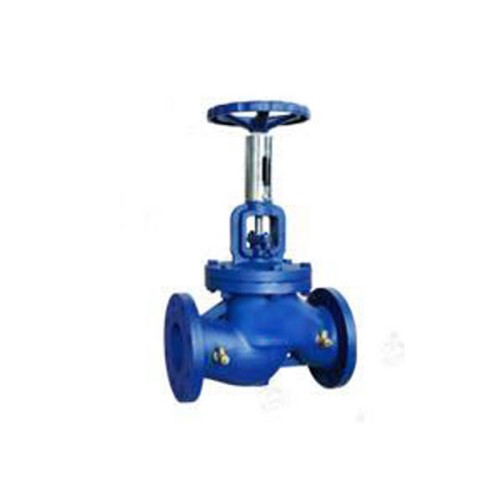
Product Specification Table: JP41F-16/16Q Ductile Iron Hydraulic Water Pump Balanced Valve
| Parameter | Specification |
|---|---|
| Product Model | JP41F-16/16Q |
| Body Material | Ductile Iron (GGG40/50, EN-GJS-400-18) |
| Nominal Pressure (PN) | PN16 (1.6 MPa) |
| Nominal Diameter (DN) | DN50-DN600 |
| Connection Type | Flanged (acc. to EN 1092-2) |
| Applicable Medium | Water, non-corrosive liquids |
| Operating Temperature | -10°C to 120°C |
| Flow Regulation Range | Configurable via external adjustment, up to +/- 5% accuracy |
| Corrosion Resistance | Epoxy powder coating (fusion bonded), min. 250 microns |
| Design Standard | ISO, GB/T, EN |
The Manufacturing Process of a High-Quality Hydraulic Balance Valve
The production of a reliable hydraulic balance valve involves a rigorous, multi-stage process designed to ensure precision, durability, and adherence to international standards. Our manufacturing facilities are equipped with state-of-the-art machinery and follow stringent quality control protocols.
Process Flow:
- Raw Material Selection: High-grade ductile iron (e.g., GGG40/50) is sourced from certified suppliers. This material offers superior strength, ductility, and resistance to impact compared to traditional cast iron, making it ideal for high-pressure water systems.
- Casting: Precision casting techniques are employed to create the valve body and main components. Advanced molding and pouring processes minimize porosity and ensure consistent material integrity.
- Heat Treatment: Components undergo specialized heat treatments to enhance mechanical properties such as hardness, tensile strength, and fatigue resistance, optimizing performance under sustained operational stress.
- CNC Machining: Critical surfaces, ports, and internal mechanisms are machined to micron-level tolerances using Computer Numerical Control (CNC) technology. This ensures perfect alignment, tight sealing, and accurate flow regulation.
- Surface Treatment & Coating: For enhanced corrosion resistance and longevity, valve bodies are typically coated with fusion-bonded epoxy powder (FBE coating) meeting standards like ISO 9001 and AWWA C550. This provides a robust barrier against aggressive media and environmental factors, extending the service life to 50+ years in typical water supply applications.
- Assembly: Skilled technicians assemble the valve components in a clean environment, ensuring proper installation of sealing elements, diaphragms, and adjustment mechanisms.
- Testing and Quality Assurance:
- Hydrostatic Testing: Each valve is pressure tested to 1.5 times its nominal pressure, adhering to standards like ISO 5208 / EN 12266-1, to verify body integrity and seal performance.
- Functional Testing: Flow characteristics, pressure drop, and regulation accuracy are tested against design specifications to ensure optimal performance.
- Leakage Testing: Air seat tests are conducted to ensure zero leakage.
- Final Inspection & Packaging: A final visual inspection confirms cosmetic and functional perfection before secure packaging for shipment.
Our valves are manufactured under strict ISO 9001 certified quality management systems, meeting or exceeding industry standards such as ANSI/AWWA, BS EN, and GOST, ensuring reliability across target industries including petrochemical, metallurgy, HVAC, and municipal water supply & drainage. The emphasis on high-quality ductile iron and FBE coating ensures excellent corrosion resistance and an extended service life, which translates to significant energy saving for end-users through reduced maintenance and optimized flow.
Application Scenarios and Technical Advantages
The versatility of the hydraulic balance valve makes it indispensable across a spectrum of industrial and commercial applications. Its ability to precisely regulate flow contributes to system stability, energy efficiency, and operational cost reduction.
Typical Application Scenarios:
- HVAC Systems (Heating, Ventilation, Air Conditioning): Essential for balancing heating and cooling circuits in commercial buildings, ensuring even temperature distribution and preventing energy waste from over-pumping.
- District Heating and Cooling Networks: Regulating flow to individual buildings or zones to optimize energy transfer and reduce system-wide pressure fluctuations.
- Municipal Water Supply & Drainage: Maintaining consistent pressure and flow in water distribution networks, critical for efficient delivery and waste management, especially in large-scale pump stations.
- Industrial Process Water Systems: Ensuring precise flow rates for critical processes in manufacturing, chemical, and petrochemical industries, where consistent conditions are vital for product quality and safety.
- Irrigation Systems: Balancing water distribution in large agricultural or landscape irrigation projects to maximize coverage and minimize water waste.
Technical Advantages:
- Energy Saving: By ensuring balanced flow, pumps operate closer to their design efficiency point, reducing energy consumption by up to 15-20% in many hydronic systems due to optimized differential pressure.
- Enhanced System Performance: Prevents 'short-circuiting' of flow to closest circuits, ensuring all terminal units receive adequate supply, leading to uniform temperature distribution and improved comfort.
- Corrosion Resistance & Longevity: High-quality materials like ductile iron with internal and external epoxy coatings provide exceptional resistance to corrosion and abrasion, significantly extending valve service life and reducing maintenance costs.
- Reduced Noise and Vibration: Balanced flow minimizes turbulence and pressure surges, leading to quieter system operation and less wear on components.
- Simplified Commissioning: Dynamic balancing valves automatically adjust to system changes, simplifying initial setup and re-balancing procedures.
- Reliability: Robust construction and adherence to international manufacturing standards ensure consistent, long-term performance even in challenging environments.
Our JP41F-16/16Q ductile iron valve, specifically designed for water pump balancing, offers superior hydraulic stability and durability, making it an ideal choice for large-scale water utilities seeking long-term, low-maintenance solutions.

Vendor Comparison and Customized Solutions
Choosing the right vendor for hydraulic balance valve solutions is critical for the success and longevity of any hydronic system. Beyond standard products, the ability to provide customized solutions and comprehensive support distinguishes leading suppliers.
Vendor Comparison Table: Key Differentiators
| Feature | Leading Supplier (e.g., HBYS Valves) | Standard Market Offering |
|---|---|---|
| Body Material Quality | Ductile Iron (GGG40/50), certified | Cast Iron (HT200), less robust |
| Corrosion Protection | Fusion Bonded Epoxy (FBE), min. 250µm | Liquid Epoxy Paint, variable thickness |
| Flow Control Accuracy | ±3-5% for dynamic models | ±10% for dynamic models (often static) |
| Design & Testing Standards | ISO, EN, AWWA, GB/T (multiple certifications) | Local or basic industry standards |
| Service Life Expectancy | 50+ years for water applications | 15-25 years |
| Customization Options | Extensive, including material, coating, flange drilling, control logic | Limited to none |
| After-Sales Support | Comprehensive technical support, warranty, spare parts | Basic, often outsourced |
Our commitment to engineering excellence allows us to offer tailored solutions that precisely match unique project requirements. This includes:
- Material Adaptation: For specific media or extreme temperature/pressure conditions, we can adjust material specifications, such as utilizing stainless steel or specialized alloys.
- Flange Configuration: Custom flange drilling and dimensions to integrate seamlessly with existing piping infrastructure, reducing installation time and cost.
- Control Logic Modification: For smart building systems, we can integrate specific sensor ports or communication protocols (e.g., Modbus, BACnet) to ensure compatibility with advanced control systems.
- Pressure Rating Adjustments: Custom valves for higher or lower PN ratings than standard, ensuring optimal safety and performance.
- Specialized Coatings: Beyond FBE, other internal/external coatings for enhanced chemical resistance or specific aesthetic requirements.
Our engineering team collaborates closely with clients from design to deployment, ensuring that every customized hydraulic balance valve solution delivers maximum operational efficiency and reliability, backed by decades of industry experience and adherence to authoritative certifications.

Real-World Case Studies and Customer Experience
Our commitment to quality and performance is best demonstrated through successful deployments and positive customer feedback. Over 20 years of service, we have partnered with numerous key players across diverse industries, contributing to their operational efficiency and sustainability goals.
Case Study 1: Municipal Water Pumping Station Upgrade
A major municipal water utility faced challenges with uneven water distribution and high energy consumption in one of its primary pumping stations, serving a city of 1.5 million residents. The existing static balancing system required frequent manual adjustments and still resulted in significant pressure differentials across various districts. After a comprehensive system audit, our JP41F-16/16Q ductile iron hydraulic balance valves were recommended for installation. Over 15 large-diameter valves (DN300-DN600) were integrated into their system. Within six months, the utility reported a 12% reduction in pump energy consumption due to optimized flow and minimized differential pressure. Water distribution uniformity improved by 25%, significantly reducing customer complaints related to low pressure. The robust FBE coating also ensured excellent resistance to the treated municipal water, predicting a service life far exceeding their previous valves.
Case Study 2: Large Commercial HVAC System Balancing
A newly constructed 50-story commercial skyscraper in a metropolitan area required precise hydronic balancing for its complex HVAC system. The building developers sought a solution that offered both energy efficiency and minimal maintenance. We supplied a suite of dynamic balancing valves for their chilled water and heating circuits. The integrated automatic flow limiters provided constant flow to over 200 fan coil units, irrespective of the fluctuating demand caused by occupancy variations. The commissioning time for system balancing was reduced by 40% compared to traditional methods. After two years of operation, the facility management team lauded the stable indoor climate, minimal pressure issues, and lower operational expenditures, estimating annual energy savings of approximately $80,000.
Customer Feedback Highlights:
- "The quality of the ductile iron body and the FBE coating on these balance valves is exceptional. We expect these to last for decades in our harsh industrial environment." – Procurement Manager, Petrochemical Plant.
- "Our energy bills have noticeably decreased since we installed their dynamic balancing valves. The system runs much smoother now." – Facilities Director, University Campus.
- "The technical support team was instrumental in helping us size and select the right valves for our complex district heating network. A truly authoritative partner." – Lead Engineer, Municipal Utility Board.
Trust and Support: FAQ, Warranty, and Lead Time
Frequently Asked Questions (FAQ)
Q: What is the primary difference between a static and dynamic hydraulic balance valve?
A: A static balancing valve requires manual adjustment and maintains a fixed differential pressure. A dynamic balancing valve, like our JP41F series, automatically adjusts to maintain a constant flow rate despite upstream or downstream pressure fluctuations, offering superior performance in variable flow systems.
Q: Can your valves be used with aggressive media?
A: Our standard JP41F-16/16Q is designed for water and non-corrosive liquids. For aggressive media, we offer customized solutions with specialized materials (e.g., stainless steel) and coatings. Please consult our technical team for specific applications.
Q: What maintenance is required for these valves?
A: Due to their robust design and high-quality materials, our hydraulic balance valves are largely maintenance-free. Periodic visual inspections for external damage and proper operation are recommended as part of routine system checks. The durable FBE coating significantly reduces the risk of internal corrosion requiring attention.
Lead Time and Fulfillment
Standard models of the JP41F-16/16Q hydraulic balance valve are typically dispatched within 4-6 weeks after order confirmation, depending on quantity and current stock levels. For customized solutions, lead times may vary from 8-12 weeks, as these require specific material procurement, engineering design, and specialized manufacturing processes. We maintain a robust supply chain and efficient production schedule to meet project deadlines. Expedited options are available upon request and project feasibility.
Warranty Commitments
We stand by the quality and reliability of our products. All JP41F-16/16Q valves come with a standard 18-month warranty from the date of shipment or 12 months from installation (whichever comes first), against manufacturing defects and material failures under normal operating conditions. Extended warranty options are available for specific projects, subject to negotiation.
Customer Support Information
Our dedicated after-sales support team comprises experienced engineers and technical specialists available to assist with installation guidance, troubleshooting, spare parts identification, and performance optimization. We offer comprehensive support through multiple channels:
- Technical Hotline: Available during business hours for immediate assistance.
- Email Support: For detailed inquiries and documentation requests, with a guaranteed response within 24 hours.
- On-Site Support: For complex installations or critical issues, our engineers can be dispatched to your location globally (terms and conditions apply).
- Online Knowledge Base: Access to product manuals, technical drawings, and installation guides.
Conclusion
The strategic implementation of high-quality hydraulic balance valves is no longer merely an option but a necessity for efficient, sustainable, and reliable hydronic systems across all B2B sectors. From optimizing energy consumption in large-scale HVAC installations to ensuring consistent water supply in municipal networks, the JP41F-16/16Q ductile iron hydraulic balance valve exemplifies durability, precision, and long-term value. Our commitment to advanced manufacturing, rigorous testing, customized solutions, and comprehensive customer support positions us as a trusted partner for critical infrastructure projects worldwide. By prioritizing standards throughout our product lifecycle and customer interactions, we aim to deliver not just products, but complete, dependable solutions.
References
- ASHRAE Handbook—HVAC Systems and Equipment. American Society of Heating, Refrigerating and Air-Conditioning Engineers, 2020.
- Hydronic System Design and Balancing. The Chartered Institution of Building Services Engineers (CIBSE), 2018.
- ISO 9001:2015 Quality management systems — Requirements. International Organization for Standardization, 2015.
- AWWA C550-18 Standard for Protective Epoxy Interior Coatings for Valves and Hydrants. American Water Works Association, 2018.
-
Comprehensive Guide to China Pipe Laterals Fittings for Global Trade ApplicationsNewsFeb.24,2026
-
China Extended Body Gate Valves A Comprehensive Guide To Selection And ApplicationNewsFeb.11,2026
-
Comprehensive Guide to China 3 Inch Butterfly Valve Selection and ApplicationsNewsJan.30,2026
-
Comprehensive Guide to Pipe Adaptors and Fittings for Efficient SystemsNewsJan.28,2026
-
Comprehensive Guide to Pipe T Fittings for Plumbing and Fluid Transfer SystemsNewsJan.28,2026
-
Comprehensive Guide to Union Pipe Fitting Selection and ApplicationsNewsJan.27,2026
-
Comprehensive Guide to China Angle Globe Valves for Industrial ApplicationsNewsJan.27,2026
 Afrikaans
 Albanian
 Amharic
 Arabic
 Armenian
 Azerbaijani
 Basque
 Belarusian
 Bengali
 Bosnian
 Bulgarian
 Catalan
 Cebuano
 Corsican
 Croatian
 Czech
Czech
 Danish
 Dutch
Dutch
 Esperanto
 Estonian
 Finnish
 French
 Frisian
 Galician
 Georgian
 German
 Greek
Greek
 Gujarati
 Haitian Creole
 Hausa
Hausa
 Hawaiian
 Hebrew
 Hindi
Hindi
 Miao
Miao
 Hungarian
 Icelandic
 Igbo
Igbo
 Indonesian
 Irish
Irish
 Italian
 Japanese
 Javanese
 Kannada
 Kazakh
 Khmer
Khmer
 Rwandese
 Korean
 Kurdish
 Kyrgyz
 Lao
Lao
 Latin
Latin
 Latvian
 Lithuanian
 Luxembourgish
 Macedonian
 Malgashi
 Malay
Malay
 Malayalam
 Maltese
 Maori
Maori
 Marathi
 Mongolian
 Myanmar
 Nepali
 Norwegian
 Norwegian
 Occitan
 Pashto
 Persian
 Polish
 Portuguese
 Punjabi
 Romanian
 Russian
 Samoan
 Scottish Gaelic
 Serbian
 Sesotho
 Shona
Shona
 Sindhi
 Sinhala
 Slovak
 Slovenian
 Somali
 Spanish
 Sundanese
 Swahili
 Swedish
 Tagalog
 Tajik
Tajik
 Tamil
Tamil
 Tatar
Tatar
 Telugu
 Thai
Thai
 Turkish
 Turkmen
 Ukrainian
 Urdu
Urdu
 Uighur
 Uzbek
Uzbek
 Vietnamese
 Welsh
Welsh
 Bantu
Bantu
 Yiddish
 Yoruba
 Zulu
Zulu
 English