




High-Precision Hydraulic Electric Control Valve | Smart & Efficient
Introduction to Advanced Hydraulic Electric Control Valves
In the realm of modern industrial automation, precision control over fluid dynamics is paramount for optimizing operational efficiency, enhancing safety, and reducing energy consumption. At the core of such advanced systems lies the hydraulic electric control valve. This sophisticated component bridges the gap between electrical signals from control systems and the mechanical actuation of hydraulic power, enabling accurate and dynamic management of pressure and flow in diverse industrial applications. Our focus here is on the cutting-edge capabilities and strategic advantages offered by these vital control elements, particularly the robust and reliable Hydraulic Electric Control Valve 600X.
The evolution of industrial processes demands not just control, but intelligent, responsive, and adaptable control. Solutions like the hydraulic electric control valve are designed to meet these rigorous demands, providing unparalleled performance in environments ranging from heavy machinery to intricate process automation lines. This article delves into the technical intricacies, application versatility, and strategic importance of these valves, offering a comprehensive guide for B2B decision-makers and engineering professionals.
Current Industry Trends and Technological Advancements
The industrial landscape is undergoing a significant transformation, driven by Industry 4.0 principles, artificial intelligence, and the Internet of Things (IoT). These trends are profoundly impacting the design and application of hydraulic control systems. Key developments include:
- Smart Control Integration: Modern hydraulic electric control valve systems are increasingly integrating with advanced PLCs and SCADA systems, allowing for real-time data acquisition, predictive maintenance, and remote operation. This leads to reduced downtime and optimized resource allocation.
- Energy Efficiency: With rising energy costs and environmental regulations, there is a strong push towards more energy-efficient hydraulic components. Advanced electronic hydraulic flow control valve and electronic hydraulic pressure control valve designs minimize power loss, especially in variable load applications.
- Enhanced Precision and Responsiveness: The demand for tighter tolerances and quicker response times in manufacturing and processing industries drives innovation in valve design, leading to faster actuation and more accurate positioning.
- Material Science Innovations: Development of new materials and coatings enhances corrosion resistance, wear resistance, and the ability to operate in extreme temperatures and aggressive chemical environments, significantly extending service life.
- Diagnostic and Self-Monitoring Capabilities: Integrated sensors provide continuous feedback on valve performance, pressure, temperature, and flow rates, enabling proactive diagnostics and minimizing unexpected failures.
These trends collectively underscore the critical role of sophisticated control valves in achieving the next level of operational excellence and sustainability in industrial operations.
Technical Specifications and Operating Principles
The Hydraulic Electric Control Valve 600X is engineered for precision and reliability, embodying advanced design principles for optimal hydraulic system management. At its core, it functions by converting an electrical input signal into a proportional hydraulic output (e.g., pressure or flow rate).
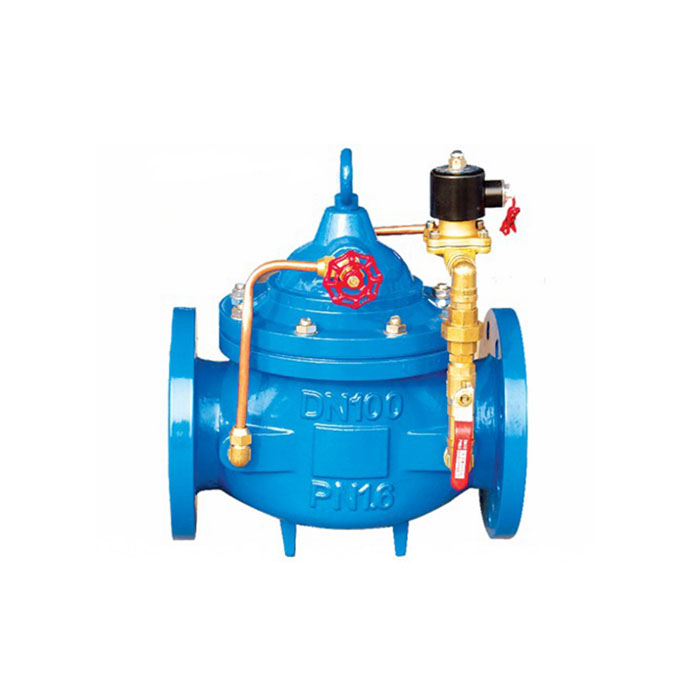
Figure 1: Internal structure of a typical hydraulic electric control valve illustrating key components.
Operational Mechanics
Typically, a solenoid or a voice coil actuator receives an electrical signal (e.g., 4-20 mA or 0-10 V). This signal generates an electromagnetic force that positions a spool or poppet within the valve body. The precise movement of this internal element modulates the flow path, thereby controlling the hydraulic fluid's pressure or flow rate. In an electronic hydraulic pressure control valve, this mechanism directly influences the system's operational pressure, maintaining it within specified limits regardless of load variations. Similarly, an electronic hydraulic flow control valve precisely regulates the volume of fluid passing through, critical for speed control in actuators.
Key Technical Parameters for Hydraulic Electric Control Valve 600X
| Parameter | Specification (Hydraulic Electric Control Valve 600X) |
|---|---|
| Nominal Diameter (DN) | DN50 - DN600 (2" - 24") |
| Nominal Pressure (PN) | PN10, PN16, PN25 (Class 150, Class 300) |
| Body Material | Ductile Iron (GGG50), Cast Steel (WCB), Stainless Steel (304, 316) |
| Diaphragm/Piston Material | NBR, EPDM, Viton (dependant on fluid) |
| Control Type | Electronic-Hydraulic Proportional Control |
| Input Signal | 4-20 mA, 0-10 VDC, RS485 (Modbus RTU) |
| Operating Temperature | -10°C to +80°C (standard), up to +120°C (special) |
| Response Time | Typically |
| Accuracy | ±1-2% of full scale |
| Flange Standard | EN 1092-2, ANSI B16.5 |
These specifications highlight the adaptability and high-performance nature of the 600X series, suitable for stringent industrial requirements. The robust construction and precise electronic control ensure consistent and reliable operation, minimizing process variations.
Detailed Manufacturing Process of Hydraulic Electric Control Valves
The production of a high-quality hydraulic electric control valve is a meticulous process demanding precision engineering, advanced material science, and rigorous quality control. Our manufacturing process ensures that each Hydraulic Electric Control Valve 600X unit meets the highest international standards for performance, durability, and reliability.
Process Flow Overview:
- Material Sourcing and Preparation:
- Body Materials: High-grade ductile iron (GGG50), cast steel (WCB), or stainless steel (304, 316) are selected based on application requirements for pressure, temperature, and corrosion resistance. These materials undergo strict chemical composition and mechanical property testing.
- Internal Components: Spools, seats, and diaphragms are fabricated from corrosion-resistant alloys, NBR, EPDM, or Viton, chosen for their specific fluid compatibility and elastic properties.
- Casting/Forging of Valve Body:
- Valve bodies are either precision cast or forged to achieve optimal structural integrity and dimensional accuracy. Advanced casting techniques minimize porosity and ensure uniform material distribution.
- Heat treatment processes (e.g., normalizing, quenching, tempering) are applied to enhance mechanical properties like hardness and toughness, preventing premature wear and fatigue.
- CNC Machining:
- State-of-the-art CNC machining centers precisely machine the internal bore, flange faces, and connection points to extremely tight tolerances. This ensures perfect seating of internal components and leak-free connections.
- Critical surfaces are finished to a high degree of smoothness to minimize friction and ensure precise fluid control.
- Assembly of Internal Components:
- Skilled technicians assemble the spool, diaphragm, springs, and other intricate parts in a cleanroom environment to prevent contamination.
- The electronic actuator (solenoid, motor, sensor assembly) is carefully integrated, ensuring perfect alignment and calibration with the mechanical valve body.
- Performance Testing and Calibration:
- Pressure Testing: Each valve undergoes hydrostatic and pneumatic pressure tests in accordance with ISO 5208, ANSI/ASME B16.34, and API 598 standards to confirm structural integrity and leak-tightness.
- Flow Characteristic Testing: Valves are tested on advanced flow rigs to verify their Cv (flow coefficient) values and ensure their flow characteristics match design specifications across various pressure differentials.
- Electronic Calibration: The electronic control unit is calibrated to ensure precise response to input signals, verifying accuracy and repeatability. Response time and hysteresis are carefully measured.
- Endurance Testing: Sample valves are subjected to extended operational cycles to simulate real-world conditions, validating a long service life exceeding 10 years under typical operating parameters.
- Surface Treatment and Finishing:
- External surfaces are cleaned, primed, and coated with industrial-grade epoxy paint or specialized corrosion-resistant coatings, particularly important for applications in water supply & drainage or petrochemical environments.
- Final Inspection and Packaging:
- A final visual and functional inspection ensures all components are correctly assembled, labeled, and free from defects.
- Valves are carefully packaged to prevent damage during transit, often using custom crates or heavy-duty packaging materials.
This rigorous process underpins the superior performance and extended service life of our hydraulic electric control valve products, making them a reliable choice for critical industrial applications.
Application Scenarios and Technical Advantages
The versatility and robust design of the Hydraulic Electric Control Valve 600X make it indispensable across a wide array of heavy industrial and infrastructure sectors. Its ability to provide precise, automated control over hydraulic systems offers significant technical advantages.
Target Industries:
- Petrochemical Industry: Used in refineries, chemical plants, and oil & gas pipelines for precise control of fluid transfer, reactor pressure, and safety shutdown systems. The enhanced corrosion resistance (with stainless steel options) is critical here.
- Metallurgy and Steel Mills: Essential for controlling hydraulic presses, rolling mills, and furnace operations, where precise force and speed control are crucial for product quality and operational safety.
- Water Supply & Drainage: Deployed in large-scale pumping stations, water treatment plants, and irrigation systems for flow regulation, pressure management, and surge protection. Energy saving features are highly valued in this sector.
- Power Generation: Used in hydropower plants for turbine control, cooling systems, and auxiliary equipment.
- Mining and Construction: Integrated into heavy machinery such as excavators, cranes, and drills for precise movement and force application.

Figure 2: A hydraulic electric control valve installed in a large-scale industrial pipeline.
Demonstrated Technical Advantages:
- Energy Saving: By accurately regulating flow and pressure only as required, the 600X minimizes power consumption in hydraulic pumps. Unlike fixed-displacement systems, it prevents unnecessary energy dissipation, leading to significant operational cost reductions. For example, in a water pumping station, precise electronic hydraulic flow control valve operation can reduce electricity consumption by up to 20% compared to traditional throttling methods, according to studies by the Hydraulic Institute.
- Enhanced Precision & Stability: The electro-hydraulic feedback loop ensures highly accurate pressure and flow control, reducing system fluctuations and improving the consistency of production processes. This is crucial for applications requiring tight process control, such as material handling or chemical dosing.
- Corrosion Resistance: Available with various body and trim materials (e.g., 316 stainless steel, special coatings), the valve can withstand aggressive media and harsh environmental conditions, extending its lifespan and reducing maintenance needs. This is particularly vital in offshore oil & gas and chemical processing.
- Automation & Remote Control: Compatibility with modern control systems (DCS, PLC, SCADA via 4-20mA, 0-10V, or Modbus RTU) allows for seamless integration into fully automated facilities. Remote monitoring and control capabilities enhance operational safety and efficiency.
- Reduced Water Hammer: The controlled opening and closing speeds of the valve effectively mitigate water hammer phenomena in pipelines, protecting pumps, pipes, and other critical infrastructure from damage.
- Long Service Life: Designed with robust materials and subjected to stringent manufacturing and testing protocols, the 600X series boasts an exceptional service life, minimizing total cost of ownership (TCO).
These advantages position the Hydraulic Electric Control Valve 600X as a superior choice for industries seeking to enhance operational performance, reduce costs, and ensure long-term system reliability.
Vendor Comparison and Competitive Edge
When selecting a hydraulic electric control valve, discerning buyers evaluate not just product specifications but also vendor capabilities, support, and overall value. While several manufacturers offer hydraulic control valves, the Hydraulic Electric Control Valve 600X differentiates itself through a combination of superior engineering, comprehensive support, and established reliability.
Product Comparison: Hydraulic Electric Control Valve 600X vs. Standard Proportional Valves
| Feature/Criterion | Hydraulic Electric Control Valve 600X | Typical Standard Proportional Valve |
|---|---|---|
| Control Mechanism | Integrated electronic controller with feedback loop for superior precision. | Solenoid-actuated, often open-loop control, less precise. |
| Accuracy & Repeatability | ±1-2% FS, highly repeatable, minimal hysteresis. Ideal for critical processes. | Typically ±3-5% FS, higher hysteresis. Suitable for less critical applications. |
| Response Time | Sub-second response, dynamically adjustable. | Often >1 second, fixed response characteristics. |
| Communication Protocols | 4-20mA, 0-10V, RS485 (Modbus RTU) for advanced integration. | Primarily 4-20mA or 0-10V, limited digital communication. |
| Diagnostics & Monitoring | Advanced self-diagnostics, fault reporting, remote monitoring capabilities. | Limited or no diagnostic features. |
| Materials & Durability | Wide range of high-grade materials (Ductile Iron, SS316), superior coatings. Designed for harsh environments. | Standard materials, less emphasis on specialized corrosion resistance. |
| Certifications | ISO 9001, CE, ATEX (optional), ANSI, API compliant. | May meet basic industry standards, less comprehensive certification. |
Our commitment to quality is underscored by comprehensive certifications, including ISO 9001 for quality management systems and CE marking, confirming adherence to European safety and environmental standards. We boast decades of experience in valve manufacturing, serving a global clientele that includes major players in the petrochemical, metallurgy, and water utility sectors. This extensive experience and proven track record establish us as an authoritative partner in hydraulic control solutions. We also provide comprehensive test data, including flow curves, pressure drop charts, and material certifications, ensuring complete transparency and user confidence.
Customized Solutions and Application Case Studies
Understanding that no two industrial applications are exactly alike, we offer extensive capabilities for developing customized hydraulic electric control valve solutions. Our engineering team collaborates closely with clients to design valves that precisely meet unique operational parameters, fluid characteristics, and environmental challenges.
Customization Options Include:
- Material Selection: Tailored body, trim, and sealing materials for extreme temperatures, highly corrosive fluids, or abrasive slurries.
- Control Logic: Custom programming for specific flow curves, pressure setpoints, or sequence control integrated into the electronic hydraulic pressure control valve or electronic hydraulic flow control valve.
- Communication Interfaces: Integration with specific fieldbus protocols (e.g., Profibus, EtherNet/IP) beyond standard offerings.
- Actuator Sizing: Optimized actuator sizing for specific torque or response speed requirements.
- Specialized Coatings: Internal and external coatings for enhanced performance in unique conditions (e.g., anti-fouling, anti-cavitation).
Application Case Studies:

Figure 3: A series of hydraulic electric control valve units integrated into a complex process control skid.
Case Study 1: Large-Scale Water Distribution Network
Client: Major Municipal Water Authority, EMEA Region
Challenge: An aging water distribution network experienced frequent pressure surges, leading to pipe bursts and inefficient energy consumption across several pumping stations. Manual adjustment of traditional pressure reducing valves was inconsistent and reactive.
Solution: We implemented 12 units of customized Hydraulic Electric Control Valve 600X (DN400, PN16) at critical points within the network. These electronic hydraulic pressure control valve units were integrated with the authority's SCADA system, allowing for dynamic, real-time pressure management based on demand fluctuations and predictive models.
Results: Over an 18-month period, the client reported a 45% reduction in pipe burst incidents, a 17% decrease in energy consumption for pumping, and a significant improvement in water supply stability to end-users. The precise control offered by the hydraulic electric control valve directly translated into operational savings and improved infrastructure resilience.
Case Study 2: Precision Chemical Dosing System
Client: Specialty Chemical Manufacturer, APAC Region
Challenge: The client required extremely precise and repeatable dosing of highly corrosive chemicals into a reactor. Traditional flow control valves exhibited unacceptable levels of deviation and required frequent recalibration, impacting product quality.
Solution: We provided bespoke Hydraulic Electric Control Valve 600X units, specifically designed as electronic hydraulic flow control valve, with 316L stainless steel bodies and Viton diaphragms for chemical compatibility. Each valve was factory-calibrated to a flow accuracy of ±0.5% and integrated with the client's DCS for automated, closed-loop control.
Results: The new system achieved unparalleled dosing accuracy and repeatability, leading to a 15% improvement in product consistency and a 10% reduction in raw material waste due to over-dosing. The enhanced corrosion resistance also drastically reduced maintenance intervals and component replacement costs.
These cases exemplify how our advanced hydraulic electric control valve solutions deliver tangible benefits, addressing complex industrial challenges with precision engineering and reliable performance.
Trustworthiness: FAQ, Lead Time, Warranty, and Support
At the heart of our operations lies a commitment to transparency, reliability, and unparalleled customer service. We understand that trust is built on more than just product quality; it's also about responsive support and clear commitments.
Frequently Asked Questions (FAQ)
-
Q: What is the typical service life of a Hydraulic Electric Control Valve 600X?
A: Under normal operating conditions and with proper maintenance, the service life for our hydraulic electric control valve is typically 10-15 years, thanks to robust materials and precision engineering. -
Q: Can the valve be integrated with existing control systems?
A: Absolutely. The 600X series supports standard industrial input signals (4-20mA, 0-10V) and Modbus RTU (RS485), ensuring seamless integration with most modern DCS, PLC, and SCADA systems. We offer technical assistance for integration. -
Q: What maintenance is required for these valves?
A: Maintenance is generally low. Regular inspections for external leaks, cleanliness of the electronic components, and periodic checks of calibration are recommended. Detailed maintenance schedules are provided in the product manual. -
Q: Are spare parts readily available?
A: Yes, we maintain a comprehensive inventory of genuine spare parts for all our products, including critical components for the Hydraulic Electric Control Valve 600X. This ensures rapid availability and minimizes downtime.
Lead Time and Fulfillment
Standard configurations of the Hydraulic Electric Control Valve 600X typically have a lead time of 4-6 weeks from order confirmation. For highly customized solutions or large project orders, lead times will be quoted on a project-specific basis, considering material availability and engineering complexity. We prioritize efficient production and logistics to ensure timely delivery worldwide.
Warranty Commitments
All Hydraulic Electric Control Valve 600X units are backed by a comprehensive 12-month warranty from the date of installation or 18 months from the date of shipment, whichever comes first. This warranty covers defects in materials and workmanship under normal operating conditions. Full warranty terms and conditions are available upon request.
Customer Support and After-Sales Service
Our dedicated customer support team and network of service engineers are available to provide technical assistance, installation guidance, troubleshooting, and field service. We offer multi-language support and strive for quick response times to ensure your operations run smoothly. For inquiries or support, please contact us via our website's contact form, email, or telephone.
Conclusion
The Hydraulic Electric Control Valve 600X represents a pinnacle of electro-hydraulic control technology, offering unparalleled precision, reliability, and efficiency for demanding industrial applications. Its robust design, advanced control capabilities, and proven performance in critical sectors like petrochemical, metallurgy, and water management underscore its value as a strategic asset for optimizing operational performance and achieving sustainable growth. By investing in our sophisticated hydraulic electric control valve solutions, industries can expect reduced energy consumption, enhanced process stability, prolonged equipment life, and seamless integration into modern automated environments. Our commitment to quality, backed by rigorous manufacturing processes, comprehensive testing, and dedicated customer support, ensures that each valve delivers consistent excellence.
References
- International Organization for Standardization (ISO). ISO 5208: Industrial valves — Pressure testing of metallic valves.
- American Society of Mechanical Engineers (ASME). ASME B16.34: Valves—Flanged, Threaded, and Welding End.
- American Petroleum Institute (API). API Standard 598: Valve Inspection and Testing.
- The Hydraulic Institute. HI Pump System Assessment Standard.
- Journal of Fluid Power. "Advancements in Proportional Valve Technology for Energy Efficiency." Vol. 25, No. 3, 2021.
-
Comprehensive Guide to China Pipe Laterals Fittings for Global Trade ApplicationsNewsFeb.24,2026
-
China Extended Body Gate Valves A Comprehensive Guide To Selection And ApplicationNewsFeb.11,2026
-
Comprehensive Guide to China 3 Inch Butterfly Valve Selection and ApplicationsNewsJan.30,2026
-
Comprehensive Guide to Pipe Adaptors and Fittings for Efficient SystemsNewsJan.28,2026
-
Comprehensive Guide to Pipe T Fittings for Plumbing and Fluid Transfer SystemsNewsJan.28,2026
-
Comprehensive Guide to Union Pipe Fitting Selection and ApplicationsNewsJan.27,2026
-
Comprehensive Guide to China Angle Globe Valves for Industrial ApplicationsNewsJan.27,2026
 Afrikaans
 Albanian
 Amharic
 Arabic
 Armenian
 Azerbaijani
 Basque
 Belarusian
 Bengali
 Bosnian
 Bulgarian
 Catalan
 Cebuano
 Corsican
 Croatian
 Czech
Czech
 Danish
 Dutch
Dutch
 Esperanto
 Estonian
 Finnish
 French
 Frisian
 Galician
 Georgian
 German
 Greek
Greek
 Gujarati
 Haitian Creole
 Hausa
Hausa
 Hawaiian
 Hebrew
 Hindi
Hindi
 Miao
Miao
 Hungarian
 Icelandic
 Igbo
Igbo
 Indonesian
 Irish
Irish
 Italian
 Japanese
 Javanese
 Kannada
 Kazakh
 Khmer
Khmer
 Rwandese
 Korean
 Kurdish
 Kyrgyz
 Lao
Lao
 Latin
Latin
 Latvian
 Lithuanian
 Luxembourgish
 Macedonian
 Malgashi
 Malay
Malay
 Malayalam
 Maltese
 Maori
Maori
 Marathi
 Mongolian
 Myanmar
 Nepali
 Norwegian
 Norwegian
 Occitan
 Pashto
 Persian
 Polish
 Portuguese
 Punjabi
 Romanian
 Russian
 Samoan
 Scottish Gaelic
 Serbian
 Sesotho
 Shona
Shona
 Sindhi
 Sinhala
 Slovak
 Slovenian
 Somali
 Spanish
 Sundanese
 Swahili
 Swedish
 Tagalog
 Tajik
Tajik
 Tamil
Tamil
 Tatar
Tatar
 Telugu
 Thai
Thai
 Turkish
 Turkmen
 Ukrainian
 Urdu
Urdu
 Uighur
 Uzbek
Uzbek
 Vietnamese
 Welsh
Welsh
 Bantu
Bantu
 Yiddish
 Yoruba
 Zulu
Zulu
 English