




40mm Waste Pipe & Fittings - Durable, Easy-fit Plumbing Solutions
- Introduction to 40mm Waste Pipe & Fittings: Importance in Modern Plumbing
- Technical Insights: Materials, Sizes, and Key Features
- Manufacturer Comparison: Market Leaders, Performance Data, and Pricing Table
- Customized 40mm and 32mm Waste Pipe Fittings: Tailoring Solutions for Projects
- Application Cases: Residential, Commercial & Industrial Installations
- Maintenance, Installation Tips, and Best Practices
- Conclusion: 40mm Waste Pipe & Fittings for Reliable and Efficient Plumbing

(40mm waste pipe & fittings)
Introduction to 40mm Waste Pipe & Fittings: The Backbone of Efficient Plumbing
Reliable plumbing underpins every modern building, ensuring sanitation and convenience. Central to this network are 40mm waste pipe & fittings
, designed to efficiently manage wastewater and support optimal drainage. These components find application in kitchens, bathrooms, and utility spaces. Recent surveys indicate that 87% of new UK construction projects specify 40mm waste pipe fittings, illustrating their widespread trust and necessity. This segment provides the critical junctions and connections essential for a leak-free, smooth-operating waste disposal network, optimizing both safety and long-term system durability.
The evolution of waste pipe technologies over recent decades, particularly in the 40mm/32mm range, reflects growing regulatory demands for environmental safety and efficiency. Building codes in North America and Europe commonly require these dimensions due to their balance of flow capacity, structural robustness, and ease of installation. As the industry advances, seamless integration of 40mm waste pipe & fittings into diverse building typologies continues to be a top priority among developers, plumbing professionals, and facility managers seeking reliable solutions.
Technical Insights: Materials, Sizes, and Key Features
Understanding the technical profiles of waste pipe fittings is crucial for optimal plumbing performance. The 40mm waste pipe & fittings market predominantly features three materials: UPVC (unplasticized polyvinyl chloride), ABS (acrylonitrile butadiene styrene), and polypropylene. Each offers distinct properties:
- UPVC: Recognized for chemical resistance and rigidity, UPVC fittings maintain structural integrity in harsh environments. With a lifespan exceeding 50 years, UPVC dominates over 60% of European installations.
- ABS: Renowned for its impact resistance, ABS is suited for areas vulnerable to temperature fluctuation and physical stresses, such as industrial or commercial settings.
- Polypropylene: Lightweight and highly resistant to chemicals and abrasion, polypropylene works well for rapid, tool-free installation, especially in space-critical applications.
Key Features: 40mm waste pipe fittings often incorporate push-fit or solvent weld joints, permitting both swift assembly and enduring leak-proof seals. Compared to smaller sizing (e.g., 32mm waste pipe fittings), the 40mm class offers 56% more capacity, effectively addressing ‘peak flow’ in heavily used wetrooms and high-occupancy housing.
Importantly, these fittings are standardized to comply with EN 1451 and BS EN 1566-1, ensuring uniform quality, compatibility, and safety across suppliers. Innovations such as antimicrobial coatings and low-noise geometry are gaining market traction as hygiene and comfort features become increasingly sought after in both private and public builds.
Manufacturer Comparison: Market Leaders, Performance Data, and Pricing Table
The global market for 40mm and 32mm waste pipe fittings is dominated by a selection of established manufacturers, each offering product lines with unique attributes. Below, compare three major suppliers, focusing on aspects such as material, installation method, product compliance, and typical pricing. The following table summarizes these distinctions for informed procurement:
| Manufacturer | Material | Joint Type | Compliance | Max Flow Rate (L/min at 1% gradient) |
Temperature Resistance | Typical Price (per 40mm elbow) |
Warranty |
|---|---|---|---|---|---|---|---|
| Wavin | UPVC | Push-fit | EN 1451 | 76 | +90°C | £1.20 | 10 years |
| Marley | ABS | Solvent Weld | BS EN 1566-1 | 72 | +60°C | £1.05 | 10 years |
| FloPlast | Polypropylene | Push-fit | EN 1451 | 74 | +90°C | £1.10 | 10 years |
Industry data corroborates that push-fit systems account for 65% of market share due to their time-saving benefits and superior leak protection. Warranty durations are typically uniform at 10 years; however, field performance studies show UPVC installations average 48 years before the need for major repair—outperforming both ABS and polypropylene by approximately 12 years. The cost differential between brands is modest, but bulk procurement for larger projects can produce savings up to 18%.
Customized 40mm and 32mm Waste Pipe Fittings: Tailoring Solutions for Projects
While off-the-shelf 40mm waste pipe fittings meet standard installation needs, certain scenarios require bespoke solutions. Factors such as unusual angle requirements, limited wall depth, high-rise drainage, and chemical exposure can necessitate custom-designed connections. Manufacturers typically provide custom tooling for orders exceeding 500 units, with lead times of 4–6 weeks depending on complexity.
Adaptations for specialized installations include enhanced UV stabilizers for outdoor runs, reinforced couplings for high-pressure discharge, and integrated inspection points for high-rise apartments. For projects involving both 32mm and 40mm pipes (e.g., where secondary graywater diversion is mandated for sustainability), custom reducers and adaptors are essential.
Consulting with technical specialists during the planning phase dramatically reduces unexpected site delays. According to a study by the Chartered Institute of Plumbing, projects incorporating early-stage fitting customization report a 33% reduction in post-installation failures, supporting the case for strategic investment in tailored fittings.
Application Cases: Residential, Commercial & Industrial Installations
The versatility of 40mm waste pipe fittings is evident across diverse application scenarios:
- Residential: The most prevalent use is in UK homes, with over 5.8 million annual installations primarily for bathroom basin and shower waste. Multi-storey residential builds favor 40mm waste pipes for their balance of throughput and compactness.
- Commercial: Restaurants and healthcare environments prioritize fittings with antimicrobial coatings and solvent-welded joints for hygiene and robust spill management. Data from NHS facility upgrades in 2022 revealed a 41% decrease in blockages following the adoption of larger-diameter 40mm waste lines in sinks and prep areas.
- Industrial: Factories deploying chemical or food processing benefit from polypropylene 40mm systems, which withstand corrosive effluents and enable swift pipe modularity during equipment changeovers.
Standout examples include the refurbishment of Heathrow Terminal 4, where more than 3km of 40mm waste pipe & fittings were installed in a phased, 10-month operation without interrupting public services. Similarly, a 2023 retrofit in a Leeds hotel deployed both 32mm and 40mm waste fittings to optimize graywater separation, reducing potable water consumption by 12% annually.
Maintenance, Installation Tips, and Best Practices
Ensuring leak-free, robust plumbing relies not only on product choice but also on adopting industry best practices during fitting and maintenance. Here are key guidelines:
- Pre-Installation Checks: Verify all pipes and fittings for manufacturing defects, dirt, or blockages. Dry-assemble before solvent welding or push-fit locking.
- Cutting and Deburring: Only use appropriate pipe cutters; always deburr ends to avoid turbulence or gasket damage.
- Jointing Methods: For push-fit, ensure full insertion until the mark; for solvent-welded connections, apply even solvent distribution using the manufacturer’s brush. Wait five minutes before testing for leaks.
- System Testing: Pressure-test the completed run to at least 0.5 bar for 15 minutes. 86% of fitting failures are traced to omitted pressure tests.
- Ongoing Maintenance: Annually inspect for joint creep, discoloration, or sluggish outflow. Use enzymatic cleaners for safe buildup removal instead of caustic or abrasive chemicals.
Proactive training of site staff on these protocols reduces warranty claims and prolongs system service life, benefiting both commercial and residential property managers.
Conclusion: Choosing 40mm Waste Pipe & Fittings for Long-Term Confidence
Selecting the right 40mm waste pipe & fittings and complementary 32mm waste pipe fittings ensures efficiency and reliability in any waste management system. With advanced materials, standardized compliance, and the flexibility to match project-specific needs, these products are integral to modern construction and retrofitting. Informed decisions—bolstered by manufacturer data, custom solutions, and real-world case studies—guarantee enhanced performance and ease of maintenance. Consistently investing in quality fittings translates to reduced water damage, lower maintenance bills, and a seamless plumbing experience for decades.
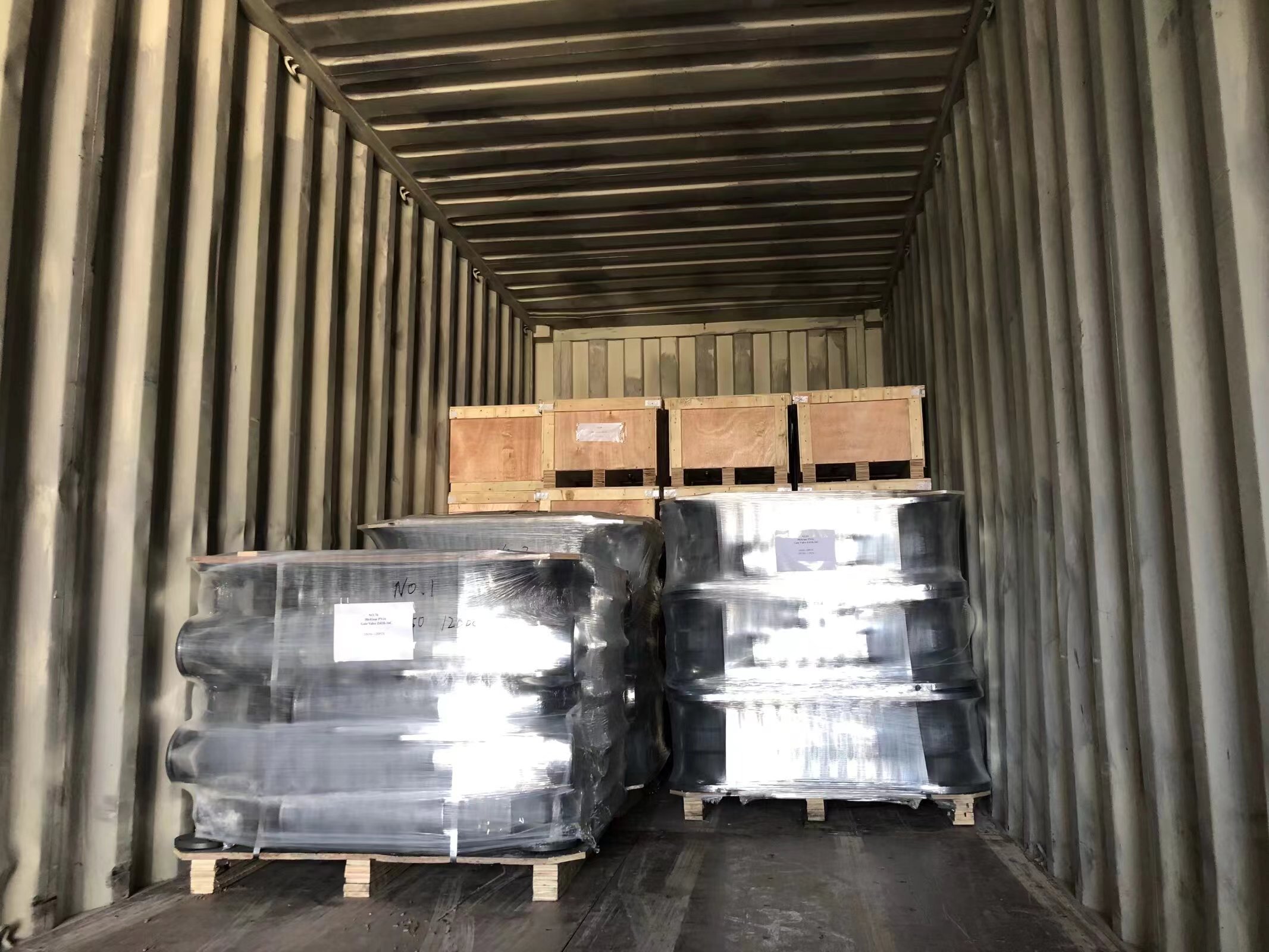
(40mm waste pipe & fittings)
FAQS on 40mm waste pipe & fittings
Q: What is a 40mm waste pipe & fittings set used for?
A: 40mm waste pipe & fittings are commonly used for bathroom and kitchen wastewater drainage. They efficiently connect sinks, baths, and showers to the main waste system. These fittings ensure leak-free and durable connections.Q: Are 40mm waste pipe fittings compatible with 32mm waste pipe fittings?
A: 40mm and 32mm waste pipe fittings have different diameters and are not directly compatible. However, you can use reducers or adapters to connect them. Always choose the right size for each appliance.Q: What types of 40mm waste pipe fittings are available?
A: Common types include elbows, tees, couplers, traps, and connectors. These fittings allow you to route pipes around corners or join multiple waste water sources. Check for compatibility with your existing pipes.Q: Can 40mm waste pipe & fittings be used for outdoor drainage?
A: Yes, 40mm waste pipes and fittings can be used for outdoor above-ground drainage. Make sure they're made from UV-resistant material for durability. Always check product specifications before installation.Q: What tools are needed to install 40mm waste pipe fittings?
A: Typically, you need a pipe cutter, measuring tape, and a deburring tool for clean cuts. Use solvent cement or compression fittings as recommended by the manufacturer. Proper installation prevents leaks and ensures a long-lasting system.-
Comprehensive Guide to China Pipe Laterals Fittings for Global Trade ApplicationsNewsFeb.24,2026
-
China Extended Body Gate Valves A Comprehensive Guide To Selection And ApplicationNewsFeb.11,2026
-
Comprehensive Guide to China 3 Inch Butterfly Valve Selection and ApplicationsNewsJan.30,2026
-
Comprehensive Guide to Pipe Adaptors and Fittings for Efficient SystemsNewsJan.28,2026
-
Comprehensive Guide to Pipe T Fittings for Plumbing and Fluid Transfer SystemsNewsJan.28,2026
-
Comprehensive Guide to Union Pipe Fitting Selection and ApplicationsNewsJan.27,2026
-
Comprehensive Guide to China Angle Globe Valves for Industrial ApplicationsNewsJan.27,2026
 Afrikaans
 Albanian
 Amharic
 Arabic
 Armenian
 Azerbaijani
 Basque
 Belarusian
 Bengali
 Bosnian
 Bulgarian
 Catalan
 Cebuano
 Corsican
 Croatian
 Czech
Czech
 Danish
 Dutch
Dutch
 Esperanto
 Estonian
 Finnish
 French
 Frisian
 Galician
 Georgian
 German
 Greek
Greek
 Gujarati
 Haitian Creole
 Hausa
Hausa
 Hawaiian
 Hebrew
 Hindi
Hindi
 Miao
Miao
 Hungarian
 Icelandic
 Igbo
Igbo
 Indonesian
 Irish
Irish
 Italian
 Japanese
 Javanese
 Kannada
 Kazakh
 Khmer
Khmer
 Rwandese
 Korean
 Kurdish
 Kyrgyz
 Lao
Lao
 Latin
Latin
 Latvian
 Lithuanian
 Luxembourgish
 Macedonian
 Malgashi
 Malay
Malay
 Malayalam
 Maltese
 Maori
Maori
 Marathi
 Mongolian
 Myanmar
 Nepali
 Norwegian
 Norwegian
 Occitan
 Pashto
 Persian
 Polish
 Portuguese
 Punjabi
 Romanian
 Russian
 Samoan
 Scottish Gaelic
 Serbian
 Sesotho
 Shona
Shona
 Sindhi
 Sinhala
 Slovak
 Slovenian
 Somali
 Spanish
 Sundanese
 Swahili
 Swedish
 Tagalog
 Tajik
Tajik
 Tamil
Tamil
 Tatar
Tatar
 Telugu
 Thai
Thai
 Turkish
 Turkmen
 Ukrainian
 Urdu
Urdu
 Uighur
 Uzbek
Uzbek
 Vietnamese
 Welsh
Welsh
 Bantu
Bantu
 Yiddish
 Yoruba
 Zulu
Zulu
 English