




Robust Neck Flanges & Weld Neck Flanges for High-Pressure Systems
Introduction to neck flange Technology
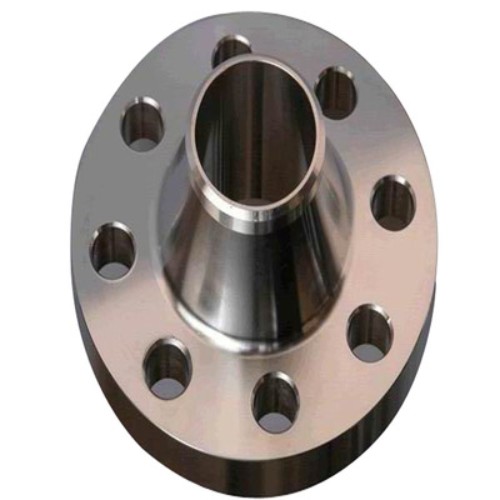
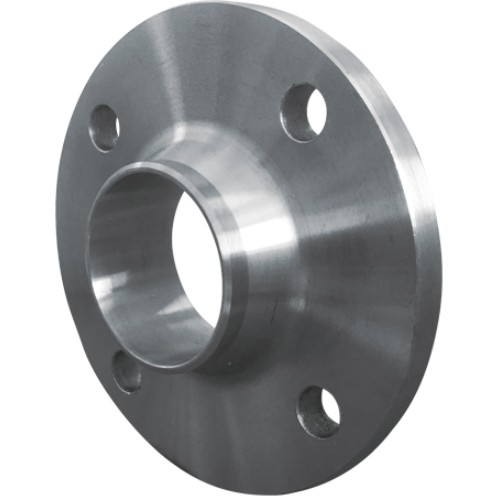
In critical industrial applications, the integrity and reliability of pipeline connections are paramount. The neck flange stands as a cornerstone in this regard, offering superior strength and leak-proof connections for high-pressure and high-temperature environments. Characterized by its long tapered hub, which provides a smooth transition from the flange thickness to the pipe wall, it significantly reduces stress concentration at the flange-pipe joint.
This design makes it particularly suitable for severe service conditions where cyclic loading, high internal pressure, and extreme temperatures are commonplace. Often referred to as a weld neck flange due to its method of attachment, it ensures a robust, butt-welded connection that is easy to radiographically examine for weld integrity. Variants such as the high neck flange and long weld neck flange are employed in specialized scenarios, offering extended hubs for unique piping configurations or specific pressure vessel connections. This comprehensive overview delves into the technical intricacies, application benefits, and manufacturing excellence behind these essential components.
Industry Trends and Evolution of Flange Technology
The industrial landscape is continuously evolving, driving advancements in component design and material science. For flange technology, key trends include the demand for higher pressure and temperature ratings, enhanced corrosion resistance, and improved service life in increasingly aggressive media. This necessitates the use of advanced alloy steels, duplex stainless steels, and exotic materials, alongside sophisticated manufacturing processes.
There's a growing emphasis on optimizing designs for reduced weight without compromising structural integrity, often achieved through finite element analysis (FEA) and advanced simulation tools. Digitalization in manufacturing, including the adoption of Industry 4.0 principles, is leading to more precise control over the production of components like the neck flange, improving traceability and quality assurance. Furthermore, environmental regulations are pushing for zero-leakage solutions, making the intrinsically secure butt-weld connection of a weld neck flange even more critical. The drive for operational efficiency and reduced downtime also places a premium on components that offer extended service intervals and simplified maintenance.
The Manufacturing Process of a neck flange
The production of a high-quality neck flange is a meticulously controlled multi-stage process, ensuring compliance with stringent international standards such as ASME B16.5, EN 1092-1, and ISO 9001. Our manufacturing capabilities leverage state-of-the-art technology to deliver superior products for demanding applications. The typical process flow includes:
- Material Selection & Preparation: Begins with selecting high-grade raw materials such as ASTM A105 carbon steel, ASTM A182 F304/F316 stainless steel, or ASTM A694 F52 high-yield carbon steel, depending on application requirements. These materials are chosen for their mechanical properties, including tensile strength, yield strength, and corrosion resistance.
- Forging: The most common method, hot forging, involves heating the material to a plastic state and shaping it under immense pressure using dies. This process refines the grain structure, enhancing the flange's strength and toughness, and eliminating internal voids, which is critical for the integrity of a long weld neck flange.
- Heat Treatment: Forged flanges undergo controlled heat treatment processes like normalizing, annealing, or quenching and tempering. This optimizes the material's microstructure, relieving internal stresses and achieving desired hardness and strength characteristics.
- Machining (CNC): Precision CNC (Computer Numerical Control) machining is employed to achieve exact dimensions, smooth finishes, and accurate bolt hole patterns. This includes facing the flange, machining the bore, and creating the distinctive tapered hub, which is crucial for the stress distribution properties of a neck flange.
- Drilling & Finishing: Bolt holes are precisely drilled, and the flange face (e.g., Raised Face (RF) or Flat Face (FF)) is finished to the specified roughness for optimal gasket sealing.
- Non-Destructive Testing (NDT): Each flange undergoes rigorous NDT, which may include Ultrasonic Testing (UT) to detect internal flaws, Magnetic Particle Testing (MPT) or Liquid Penetrant Testing (LPT) for surface defects, and Radiographic Testing (RT) for weld preparations.
- Dimensional Inspection & Hydrostatic Testing: Final dimensional checks ensure adherence to ASME B16.5 tolerances. For specific applications, hydrostatic testing may be performed to verify pressure containment capabilities.
- Surface Treatment & Packaging: Flanges are coated (e.g., anti-rust oil, galvanized) to prevent corrosion during storage and transit, then carefully packaged.
This meticulous process ensures that each neck flange delivered exhibits superior service life, exceptional resistance to corrosion, and reliable performance, contributing to energy saving through minimized leakage in target industries such as petrochemical, metallurgy, and water supply & drainage.
Technical Specifications and Parameters
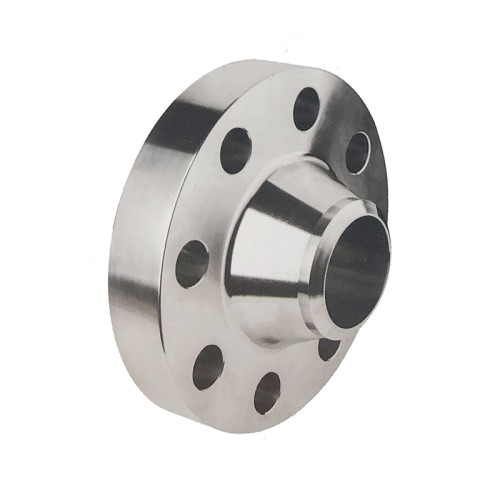
Our Cost high neck flange products are engineered to meet or exceed international standards, providing reliable performance across a broad spectrum of industrial applications. Below are key technical parameters and a comparison to illustrate their distinct advantages.
Cost High Neck Flange Product Specifications (ASME B16.5)
| Parameter | Specification Details |
|---|---|
| Standard | ASME B16.5, ASME B16.47 Series A & B, API 6A, MSS SP-44, DIN, EN 1092-1, JIS |
| Material | Carbon Steel (ASTM A105, A350 LF2, A694 F52-F65), Stainless Steel (ASTM A182 F304/304L, F316/316L, F321, F347), Duplex & Super Duplex (F51, F53, F55), Alloy Steel (ASTM A182 F5, F9, F11, F22, F91) |
| Size Range (NPS) | 1/2" to 60" (DN15 to DN1500) |
| Pressure Class | Class 150, 300, 400, 600, 900, 1500, 2500 (PN6 to PN400) |
| Facing Type | Raised Face (RF), Flat Face (FF), Ring Type Joint (RTJ), Lap Joint Face (LJF), Tongue & Groove (T&G), Male-Female (M&F) |
| Manufacturing Process | Forged, CNC Machined, Heat Treated |
| Testing & Certification | ISO 9001, CE, PED 2014/68/EU, EN 10204 3.1 Mill Certificates, NDT (UT, RT, MT, PT) |
Flange Type Comparison: Weld Neck vs. Other Common Flanges
| Feature | Weld Neck Flange | Slip-On Flange | Blind Flange |
|---|---|---|---|
| Connection Method | Butt-welded to pipe | Fillet welded to pipe (inside & outside) | Bolted, no pipe connection (for sealing pipe ends) |
| Stress Distribution | Excellent, tapered hub provides smooth transition, minimal stress concentration | Good, but stress concentrated at fillet welds | N/A (sealing only) |
| Pressure Rating Suitability | High pressure & temperature, severe service | Low to medium pressure | All pressure classes (for termination) |
| Fatigue Resistance | Superior, ideal for cyclic applications | Moderate, susceptible to fatigue at welds | N/A |
| Installation Ease | Requires precise alignment for welding, but single weld joint | Easier alignment, but two fillet welds required | Simple bolting |
| Cost (Material & Labor) | Higher material cost (due to hub), moderate welding cost | Lower material cost, higher welding cost (two welds) | Moderate |
This comparison clearly highlights the superior integrity and performance of weld neck flange in applications demanding the highest levels of safety and reliability, particularly where thermal cycling, vibration, or bending moments are present.
Key Technical Advantages of long weld neck flanges
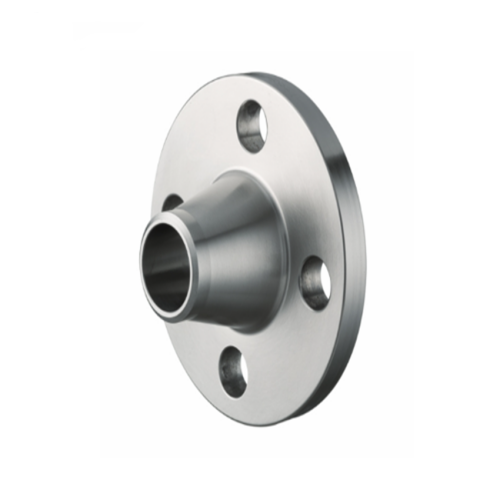
The distinctive design of the long weld neck flange, with its extended, tapered hub, offers several significant technical advantages that distinguish it from other flange types, especially in critical service applications:
- Optimal Stress Distribution: The gradual transition of the hub thickness to the pipe wall provides a smooth and even distribution of internal and external stresses. This mitigates stress concentration at the flange base, which is a common failure point in other flange types, dramatically improving the fatigue life of the connection. This is particularly crucial in systems experiencing pressure surges or thermal cycling.
- High Integrity Butt-Weld Connection: The butt-weld connection between the flange and the pipe allows for full penetration welding. This provides a joint with strength equivalent to that of the pipe itself, making it highly resistant to bending, tension, and shear forces. The weld is also fully inspectable via radiographic examination, ensuring complete weld integrity and reliability.
- Resistance to Fatigue and Erosion: Due to its superior stress distribution and robust welded joint, a neck flange is exceptionally resistant to fatigue failure, which is vital in applications with dynamic loading. The smooth internal bore profile created by the butt-weld minimizes turbulence and erosion, making it suitable for abrasive or erosive fluid services.
- Enhanced Sealing Performance: The structural rigidity imparted by the tapered hub helps to maintain flange face integrity under bolt loading, ensuring consistent gasket compression. This translates into superior sealing performance, reducing the risk of leakage and complying with stringent environmental and safety regulations.
- Suitability for Severe Conditions: The inherent strength and integrity make the neck flange the preferred choice for high-pressure, high-temperature, and sub-zero temperature applications. It performs reliably where other flange types might fail due to thermal shock, vibration, or extreme pressure differentials.
These advantages underscore why the weld neck flange remains a staple in demanding industrial sectors, where safety, reliability, and long-term operational integrity are non-negotiable.
Application Scenarios and Target Industries
The robust design and superior performance characteristics of the neck flange make it indispensable across a multitude of heavy industries. Its ability to withstand extreme conditions ensures operational continuity and safety in critical infrastructure projects. Key target industries and application scenarios include:
- Oil & Gas Industry: From offshore platforms and subsea pipelines to refineries and onshore processing plants, weld neck flanges are critical for high-pressure oil and gas transmission, processing, and storage, handling hydrocarbons under severe pressures and temperatures.
- Petrochemical & Chemical Processing: Used in reactors, heat exchangers, distillation columns, and chemical pipelines where corrosive media, high temperatures, and high pressures demand leak-proof and chemically resistant connections.
- Power Generation: Essential in thermal, nuclear, and hydroelectric power plants for steam lines, turbine connections, and cooling water systems, operating under high-temperature steam and water pressures.
- Water Supply & Drainage: In large-scale municipal water treatment plants, pumping stations, and distribution networks, for high-pressure mains and critical infrastructure where long-term reliability and minimal leakage are required.
- Metallurgy & Mining: Applied in high-temperature smelting processes, slag transport systems, and heavy-duty slurry pipelines where robust connections are needed to resist abrasion and extreme heat.
- Pharmaceutical & Food Processing: In applications requiring sanitary connections and aggressive cleaning cycles, where specialized material grades of high neck flanges ensure product purity and process integrity.
In these scenarios, the neck flange provides crucial advantages such as enhanced safety by preventing catastrophic failures, reduced maintenance costs through prolonged service life, and improved operational efficiency due to minimal downtime. For example, in a deep-sea oil extraction pipeline, a long weld neck flange connection reliably withstands immense external pressure and internal flow dynamics over decades, preventing environmental hazards and economic losses.
Customized Solutions for Specialized Applications
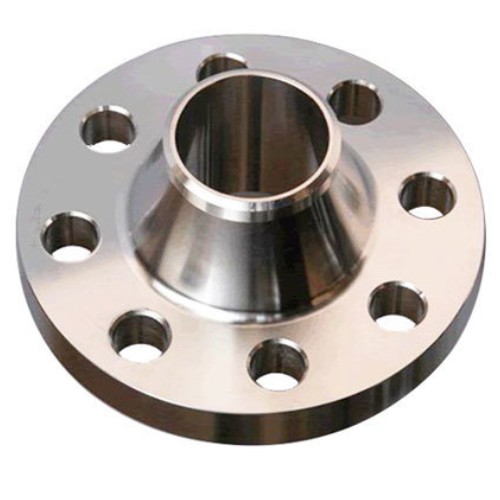
Recognizing that standard specifications may not always suffice for unique operational challenges, we specialize in providing bespoke neck flange solutions. Our engineering team collaborates closely with clients to develop custom designs that perfectly match their specific project requirements, ensuring optimal performance and compliance.
- Material Adaptation: Beyond standard carbon and stainless steels, we offer flanges manufactured from exotic alloys such as Inconel, Monel, Hastelloy, or Titanium, tailored for extreme corrosive environments, ultra-high temperatures, or specific material compatibility needs.
- Unique Dimensions & Pressure Ratings: Our capabilities extend to producing flanges with non-standard diameters, wall thicknesses, hub lengths (e.g., custom long weld neck flanges), and pressure classes beyond ASME B16.5 limits, all while maintaining structural integrity.
- Specialized Coatings & Linings: For enhanced resistance against abrasion, chemical attack, or biofouling, we can apply internal or external coatings (e.g., PTFE, epoxy, ceramic) or provide lined flanges, significantly extending service life.
- Integrated Design & Engineering: Utilizing advanced CAD/CAM software and FEA, we can design flanges for complex geometries, critical stress analysis, or to integrate with specific equipment, ensuring seamless functionality and safety.
Our commitment to customization ensures that even the most challenging projects receive a flange solution that is precisely engineered for peak performance and long-term reliability.
Vendor Comparison and Selection Criteria
Selecting the right supplier for neck flanges is a critical decision that impacts project timelines, operational safety, and overall cost-efficiency. Our long-standing expertise and commitment to quality make us a preferred partner for B2B clients. When evaluating vendors, consider the following:
- Certifications and Compliance: Ensure the vendor adheres to international standards (ASME, ISO, DIN, API) and holds necessary certifications (e.g., ISO 9001:2015, PED). These validate consistent quality management and product safety.
- Manufacturing Capabilities: Assess if the vendor has in-house forging, heat treatment, and advanced CNC machining capabilities, which directly influence product quality, lead times, and customization options.
- Quality Control and Testing: A reputable vendor will have rigorous NDT (UT, RT, PT, MT) and dimensional inspection procedures in place, providing full material traceability and test certificates (EN 10204 3.1).
- Industry Experience and Track Record: Look for a vendor with decades of experience in serving your specific industry. Review their portfolio of partner clients and successful project deliveries.
- Technical Support and Engineering Expertise: The ability to offer technical consultation, custom design, and problem-solving support is invaluable, especially for complex or unique applications.
- Lead Time and Fulfillment Reliability: Timely delivery is crucial for project schedules. Inquire about typical lead times, production capacity, and supply chain robustness.
- After-Sales Service and Warranty: A comprehensive warranty and responsive customer support demonstrate confidence in their product and commitment to client satisfaction.
Our company consistently excels in these areas, offering high-quality weld neck flange products backed by extensive experience and a steadfast commitment to client success.
Real-World Application Case Studies
Our neck flange products have been successfully deployed in numerous demanding industrial projects globally, demonstrating their reliability and performance in critical conditions.
Case Study 1: Offshore Oil & Gas Platform Upgrade
A major energy company required high-pressure long weld neck flanges for upgrading a critical section of a crude oil riser on an offshore platform in the North Sea. The operating conditions involved extreme pressures (Class 1500), corrosive seawater, and constant vibrational stress. We supplied ASTM A694 F60 carbon steel long weld neck flanges, precisely manufactured to ASME B16.5 standards with supplementary NDT (UT and MP). The superior fatigue resistance and butt-weld integrity of our flanges ensured a leak-free connection, significantly extending the service life of the riser and contributing to enhanced operational safety and reduced environmental risk. Customer feedback highlighted the exceptional quality and timely delivery, which were crucial for maintaining their tight maintenance schedule.
Case Study 2: Chemical Plant Expansion in the Gulf Coast
For an expansion project at a large chemical processing facility, there was a need for corrosion-resistant flanges for pipelines transporting highly acidic chemicals at elevated temperatures. We provided custom-fabricated ASTM A182 F316L high neck flanges with a specialized internal PTFE lining to resist extreme chemical attack. The forging process and subsequent heat treatment ensured optimal mechanical properties, while our precise CNC machining guaranteed perfect alignment for welding. The client reported zero leakages after two years of operation, crediting the robust design and material integrity of our flanges for maintaining process efficiency and worker safety in a challenging environment.
Ensuring Trust: Quality, Support, and Warranty
Our commitment to our clients extends beyond delivering high-quality neck flange products. We build long-term relationships based on trust, reliability, and unparalleled customer service.
Certifications and Authoritative Compliance
We operate under a stringent Quality Management System certified to ISO 9001:2015. All our flanges, including the Cost high neck flange, comply with international industry standards such as ASME B16.5, API 6A, MSS SP-44, and EN 1092-1, backed by comprehensive EN 10204 3.1 material test reports. Our manufacturing processes are also compliant with the Pressure Equipment Directive (PED) 2014/68/EU, ensuring our products meet the highest safety requirements for European markets. We have served global clients for over two decades, solidifying our reputation as an authoritative and reliable supplier.
Lead Time and Fulfillment
We understand the importance of timely delivery for project success. Our efficient production planning and robust supply chain enable us to offer competitive lead times. Standard weld neck flange orders typically have a lead time of 4-6 weeks, with expedited options available for urgent requirements. Custom and large-volume orders are meticulously managed to ensure on-schedule fulfillment, providing clear communication throughout the manufacturing and delivery process.
Warranty Commitments
We stand behind the quality and durability of our products. All our flanges come with a comprehensive 2-year warranty from the date of shipment, covering any manufacturing defects or material failures under normal operating conditions. This warranty reflects our confidence in our stringent quality control and superior engineering.
Customer Support and After-Sales Service
Our commitment to our clients extends far beyond the point of sale. We offer dedicated 24/7 technical support, providing expert assistance for installation guidance, operational troubleshooting, and maintenance advice. Our experienced engineers are available to address any queries or concerns, ensuring seamless integration and long-term performance of our products within your systems.
Frequently Asked Questions (FAQ)
- Q: What is the primary advantage of a neck flange over other flange types?
A: The primary advantage lies in its superior stress distribution and high-integrity butt-weld connection. The tapered hub reduces stress concentration at the flange-pipe joint, making it ideal for high-pressure, high-temperature, and cyclic applications where other flanges might fail due to fatigue. - Q: Can weld neck flanges be used in corrosive environments?
A: Yes, absolutely. By selecting appropriate materials such as stainless steel (e.g., F304/304L, F316/316L), duplex, or super duplex alloys, or by applying specialized coatings, weld neck flanges can be highly resistant to corrosive media. - Q: What standards should I look for when specifying a long weld neck flange?
A: Key standards include ASME B16.5 for dimensions and pressure ratings, ASME B16.47 for larger diameters, and material specifications like ASTM A105 for carbon steel or ASTM A182 for alloy/stainless steel. Compliance with ISO 9001 and PED is also crucial for quality assurance. - Q: How do I ensure the proper installation of a high neck flange?
A: Proper installation requires precise alignment of the flange bore with the pipe, followed by a full-penetration butt weld performed by a certified welder. Radiographic testing (RT) of the weld is highly recommended to ensure full integrity and prevent future leaks. - Q: What are the typical lead times for custom neck flange orders?
A: Lead times for custom orders can vary depending on material availability, complexity of design, and order quantity. Generally, bespoke solutions may require 6-10 weeks, but we work closely with clients to meet project deadlines.
Conclusion
The neck flange remains an indispensable component in high-integrity piping systems across global industries. Its superior design for stress distribution, robust butt-weld connection, and exceptional resistance to severe operational conditions underscore its critical role in ensuring safety, efficiency, and longevity. Our commitment to manufacturing excellence, adherence to international standards, and provision of comprehensive support make us a trusted partner for all your industrial flange requirements. We continue to innovate, offering both standard and customized solutions that meet the evolving demands of modern industry.
Authoritative References
- ASME B16.5-2020, "Pipe Flanges and Flanged Fittings: NPS 1/2 Through NPS 24 Metric/Inch Standard." American Society of Mechanical Engineers.
- ASTM A105/A105M-18, "Standard Specification for Carbon Steel Forgings for Piping Applications." ASTM International.
- API 6A, "Specification for Wellhead and Christmas Tree Equipment." American Petroleum Institute.
- EN 1092-1:2018, "Flanges and their joints. Circular flanges for pipes, valves, fittings and accessories, PN designated. Steel flanges." European Committee for Standardization.
-
Comprehensive Guide to China Pipe Laterals Fittings for Global Trade ApplicationsNewsFeb.24,2026
-
China Extended Body Gate Valves A Comprehensive Guide To Selection And ApplicationNewsFeb.11,2026
-
Comprehensive Guide to China 3 Inch Butterfly Valve Selection and ApplicationsNewsJan.30,2026
-
Comprehensive Guide to Pipe Adaptors and Fittings for Efficient SystemsNewsJan.28,2026
-
Comprehensive Guide to Pipe T Fittings for Plumbing and Fluid Transfer SystemsNewsJan.28,2026
-
Comprehensive Guide to Union Pipe Fitting Selection and ApplicationsNewsJan.27,2026
-
Comprehensive Guide to China Angle Globe Valves for Industrial ApplicationsNewsJan.27,2026
 Afrikaans
 Albanian
 Amharic
 Arabic
 Armenian
 Azerbaijani
 Basque
 Belarusian
 Bengali
 Bosnian
 Bulgarian
 Catalan
 Cebuano
 Corsican
 Croatian
 Czech
Czech
 Danish
 Dutch
Dutch
 Esperanto
 Estonian
 Finnish
 French
 Frisian
 Galician
 Georgian
 German
 Greek
Greek
 Gujarati
 Haitian Creole
 Hausa
Hausa
 Hawaiian
 Hebrew
 Hindi
Hindi
 Miao
Miao
 Hungarian
 Icelandic
 Igbo
Igbo
 Indonesian
 Irish
Irish
 Italian
 Japanese
 Javanese
 Kannada
 Kazakh
 Khmer
Khmer
 Rwandese
 Korean
 Kurdish
 Kyrgyz
 Lao
Lao
 Latin
Latin
 Latvian
 Lithuanian
 Luxembourgish
 Macedonian
 Malgashi
 Malay
Malay
 Malayalam
 Maltese
 Maori
Maori
 Marathi
 Mongolian
 Myanmar
 Nepali
 Norwegian
 Norwegian
 Occitan
 Pashto
 Persian
 Polish
 Portuguese
 Punjabi
 Romanian
 Russian
 Samoan
 Scottish Gaelic
 Serbian
 Sesotho
 Shona
Shona
 Sindhi
 Sinhala
 Slovak
 Slovenian
 Somali
 Spanish
 Sundanese
 Swahili
 Swedish
 Tagalog
 Tajik
Tajik
 Tamil
Tamil
 Tatar
Tatar
 Telugu
 Thai
Thai
 Turkish
 Turkmen
 Ukrainian
 Urdu
Urdu
 Uighur
 Uzbek
Uzbek
 Vietnamese
 Welsh
Welsh
 Bantu
Bantu
 Yiddish
 Yoruba
 Zulu
Zulu
 English