




Durable Cast Iron Gate Valves: Reliable Flow Control Solutions
Understanding the Modern Cast Iron Gate Valve Landscape
The industrial landscape relies heavily on robust and efficient fluid control systems. At the heart of many such systems, particularly in large-scale infrastructure, lies the cast iron gate valve. These essential components are designed for complete shut-off or full-flow applications, offering minimal pressure drop when fully open. Their enduring popularity stems from a combination of cost-effectiveness, durability, and reliable performance across a myriad of demanding environments.
Recent industry trends indicate a growing demand for valves that not only meet stringent operational parameters but also offer enhanced longevity and reduced maintenance requirements. Innovations in metallurgy and manufacturing processes are continually refining the capabilities of traditional cast iron gate valve designs, pushing boundaries in corrosion resistance, pressure ratings, and operational efficiency. Furthermore, the emphasis on sustainable infrastructure projects drives the need for valves with extended service life and materials that can withstand aggressive media without frequent replacement.
This detailed analysis will delve into the technical intricacies, application diversity, and strategic advantages offered by modern cast iron valves, specifically focusing on the advanced engineering behind products like the Gost Cast Iron Gate Valve Z44T-10/Z41T-16. We will explore the journey from raw material to finished product, highlight critical technical specifications, examine real-world application scenarios, and discuss the paramount importance of customized solutions in today's competitive B2B market.
Manufacturing Precision: The Journey of a Cast Iron Gate Valve
The creation of a high-performance cast iron gate valve is a meticulous process, combining traditional foundry techniques with cutting-edge machining and quality assurance protocols. This ensures that each valve meets the exacting standards required for critical industrial applications.
Materials and Initial Preparation
The foundation of any durable valve begins with its material. For the Gost Cast Iron Gate Valve Z44T-10/Z41T-16, high-grade cast iron (e.g., Grey Cast Iron GG25/FC250 or Ductile Iron GGG40/EN-JS1030) is selected for its excellent mechanical properties, including compressive strength and damping capacity. Other critical components like stems are typically stainless steel (e.g., SS304, SS410), while seat rings might be brass, bronze, or resilient elastomers depending on the application requirements. This material selection is pivotal for achieving corrosion resistance and extended service life.
Detailed Manufacturing Process Flow:
- 1. Pattern Making: Precision patterns (typically wood, metal, or plastic) are crafted, replicating the exact dimensions and intricate features of the valve body, bonnet, and wedge. This is the first critical step in ensuring dimensional accuracy.
- 2. Molding and Core Making: Sand molds are created around the patterns. Cores, made from specialized sand mixes, are placed within the molds to form the internal passages of the valve, ensuring smooth fluid flow and minimal turbulence.
- 3. Casting: Molten cast iron, precisely alloyed and temperature-controlled, is poured into the prepared sand molds. This "casting" process requires careful monitoring to prevent defects such as porosity or cold shuts, which can compromise the valve's integrity. After cooling, the sand mold is broken away to reveal the raw cast components.
- 4. Fettling and Shot Blasting: Excess material (flash, risers, gates) is removed from the castings in the fettling process. Shot blasting then cleans the surface, preparing it for further processing and revealing any surface imperfections.
- 5. CNC Machining: Advanced Computer Numerical Control (CNC) machines are employed for high-precision machining of critical surfaces, including flange faces, stem bores, and seat areas. This ensures tight tolerances for sealing and smooth operation. The accuracy of CNC machining is paramount for achieving the desired pressure ratings and leak-tightness.
- 6. Assembly: The meticulously machined components – body, bonnet, wedge/gate, stem, gland packing, handwheel, and fasteners – are carefully assembled in a controlled environment. Proper alignment and torque settings are crucial during this stage.
-
7. Testing and Quality Control: Every Gost Cast Iron Gate Valve undergoes rigorous testing to ensure compliance with international standards such as ISO 5208 (Pressure Testing of Industrial Valves), API 598 (Valve Inspection and Testing), and EN 12266-1 (Industrial Valves – Testing of Valves). Key tests include:
- Hydrostatic Shell Test: Verifies the integrity of the valve body against leakage at high pressure.
- Hydrostatic Seat Leak Test: Confirms the tight shut-off capability of the gate against its seats.
- Low Pressure Air Test (Optional): For specific applications requiring very sensitive leak detection.
- Operational Torque Test: Measures the force required to open and close the valve.
- 8. Surface Treatment and Finishing: Finally, the assembled valve typically undergoes an epoxy coating process (e.g., FBE coating) for enhanced corrosion resistance, especially crucial for buried or submerged applications. This ensures a long service life and robust performance in challenging conditions.
This structured approach, from raw material selection to final testing, ensures that each iron gate valve leaving the factory is a product of exceptional quality and reliability.
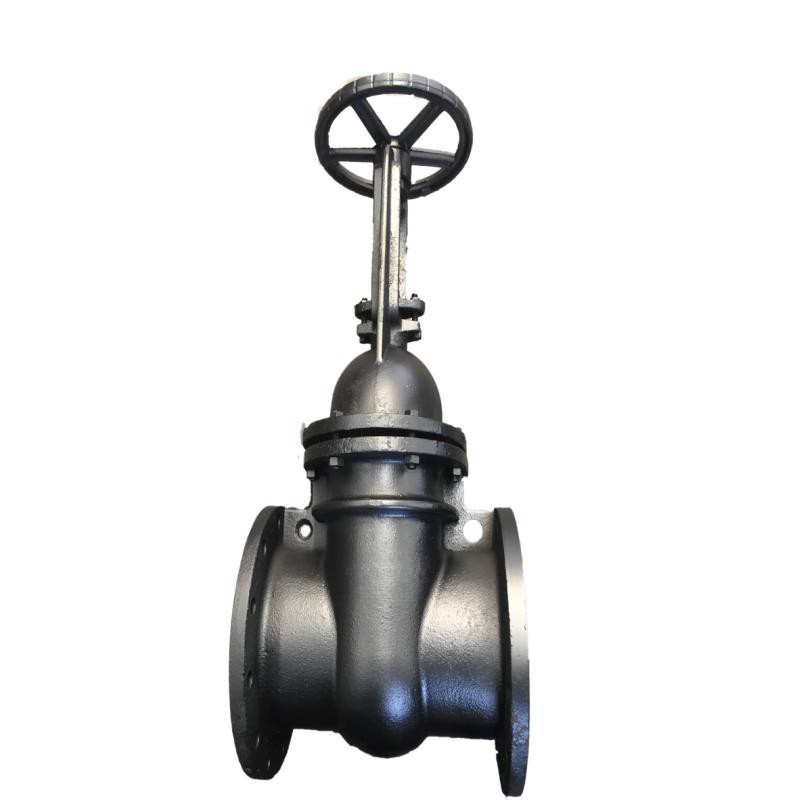
Fig 1: Precision machining of a cast iron gate valve body.
Technical Specifications and Performance Parameters
Understanding the precise technical specifications of an iron gate valve is paramount for engineers and procurement specialists to ensure optimal system integration and long-term reliability. The Gost Cast Iron Gate Valve Z44T-10/Z41T-16 exemplifies robust engineering tailored for demanding industrial environments.
Key Specifications for Gost Cast Iron Gate Valve Z44T-10/Z41T-16
| Parameter | Specification (Z44T-10) | Specification (Z41T-16) |
|---|---|---|
| Nominal Diameter (DN) | DN50 - DN600 (2" - 24") | DN50 - DN600 (2" - 24") |
| Nominal Pressure (PN) | PN10 (1.0 MPa) | PN16 (1.6 MPa) |
| Body Material | Grey Cast Iron (GG25 / FC250) | Grey Cast Iron (GG25 / FC250) |
| Gate/Wedge Material | Grey Cast Iron + Brass/Bronze Ring | Grey Cast Iron + Brass/Bronze Ring |
| Stem Material | Stainless Steel (SS410 / SS304) | Stainless Steel (SS410 / SS304) |
| Sealing Material | Brass, Bronze, NBR (for soft seal) | Brass, Bronze, EPDM (for soft seal) |
| Operating Temperature | -10°C to 120°C | -10°C to 120°C |
| End Connection | Flanged (GOST 12815-80, EN 1092-2) | Flanged (GOST 12815-80, EN 1092-2) |
| Operation Type | Handwheel, Gearbox, Electric Actuator | Handwheel, Gearbox, Electric Actuator |
| Design Standard | GOST 12815-80, GOST 12820-80 | GOST 12815-80, GOST 12820-80 |
| Testing Standard | ISO 5208, API 598 | ISO 5208, API 598 |
| Corrosion Resistance | Excellent with FBE coating | Excellent with FBE coating |
These parameters ensure the valves are suitable for a wide range of media, from potable water to industrial effluents, and can operate reliably under varying pressure and temperature conditions. The Z44T-10 series is ideal for lower pressure systems, while the Z41T-16 offers enhanced pressure handling capabilities.
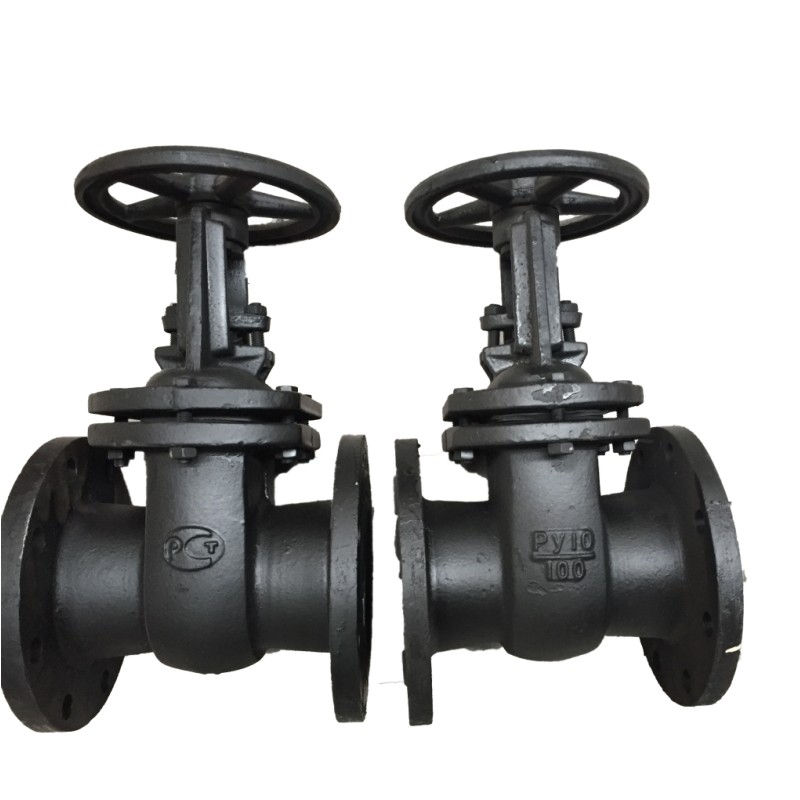
Fig 2: A Gost Cast Iron Gate Valve undergoing final inspection.
Versatile Application Scenarios and Technical Advantages
The inherent robustness and straightforward operation of cast iron valves make them indispensable across several critical industries. Their design minimizes pressure drop in the fully open position, making them ideal for systems where flow restriction needs to be negligible.
Target Industries:
- Water Supply & Drainage: A primary application, where reliability and corrosion resistance are key for municipal water networks, sewage treatment plants, and irrigation systems. The robust construction ensures long service life in these demanding environments.
- Petrochemical Industry: Used in non-critical fluid lines, utility lines, and cooling water systems where precise flow regulation is less critical than absolute shut-off. Their ability to handle various chemicals (depending on internal trim) makes them valuable.
- Metallurgy: Employed in various processes requiring fluid control, often in cooling systems or non-abrasive slurry lines.
- Power Generation: Used in cooling water circuits, ash handling systems, and auxiliary fluid lines.
- HVAC Systems: For isolation in large-scale commercial and industrial heating, ventilation, and air conditioning systems.
Technical Advantages:
- Energy Saving: When fully open, the gate valve offers a full bore passage with minimal flow obstruction, resulting in very low pressure drop. This translates directly into reduced pumping energy requirements and operational cost savings over the valve's lifespan.
- Corrosion Resistance: High-quality cast iron, often supplemented with internal lining (e.g., brass or bronze seats) and external fusion-bonded epoxy (FBE) coatings, provides excellent resistance to corrosion from water, mild chemicals, and environmental factors, extending the service life significantly.
- Durability & Long Service Life: Designed for arduous industrial conditions, these valves are built to withstand high pressures (up to PN16 for Z41T-16), moderate temperatures, and mechanical stress, ensuring reliable operation for decades with proper maintenance.
- Reliable Shut-off: The wedge-gate mechanism provides a tight seal, crucial for isolation duties in fluid systems, preventing backflow and ensuring system integrity during maintenance or operational changes.
- Cost-Effectiveness: Compared to other high-alloy valves, cast iron valves offer a more economical solution for applications where cast iron is suitable, providing excellent value without compromising on performance or reliability.
Vendor Comparison and Customized Solutions
Selecting the right vendor for cast iron valves is as crucial as selecting the valve itself. A reputable supplier offers not just products, but also expertise, reliability, and robust support. HBYs Valves distinguishes itself through its commitment to quality, adherence to international standards, and a customer-centric approach to problem-solving.
Key Factors for Vendor Comparison:
| Feature | HBYs Valves (Gost Cast Iron Gate Valve) | Generic Vendor A |
|---|---|---|
| Certifications & Standards | ISO 9001, CE, GOST, API (relevant sections), adhering to EN, ASME standards. Extensive third-party verifications. | Basic ISO, some regional standards. Limited third-party verification. |
| Material Quality & Traceability | Certified raw materials with full traceability (mill certificates), advanced metallurgy. | Standard materials, less stringent traceability. |
| Manufacturing Precision | State-of-the-art CNC machining, robotic welding (where applicable), highly controlled casting processes. | Standard machining, manual processes common. |
| Testing & QC Protocols | 100% pressure testing, material verification, NDT (where critical), performance testing per international standards. | Batch testing, basic pressure tests. |
| Customization Capabilities | Extensive options for materials, coatings, actuation, end connections, and design modifications for unique project requirements. | Limited standard modifications. |
| After-Sales Support & Warranty | Comprehensive warranty (e.g., 18-24 months), dedicated technical support, spare parts availability, field service. | Standard 12-month warranty, limited support. |
Customized Solutions: Tailored for Specific Needs
Industrial projects often present unique challenges that standard off-the-shelf valves cannot fully address. HBYs Valves excels in providing bespoke solutions for cast iron valves, adapting designs to meet specific client requirements. This might include:
- Special Material Alloys: For enhanced resistance to highly corrosive media or extreme temperatures beyond standard cast iron limits.
- Unique Actuation Requirements: Integration with specific electric, pneumatic, or hydraulic actuators, including intelligent control systems for automation.
- Non-Standard Dimensions & End Connections: Custom flange drilling, extended bonnets for cryogenic applications, or specific face-to-face dimensions to fit existing pipework.
- Advanced Coatings & Linings: Specialized internal or external coatings for abrasive slurries, high-purity applications, or specific chemical resistance.
- Compliance with Local Regulations: Adapting designs and testing to meet specific national or regional standards not covered by common international norms.
This flexibility ensures that clients receive valves perfectly suited to their operational needs, minimizing risks and maximizing system performance.
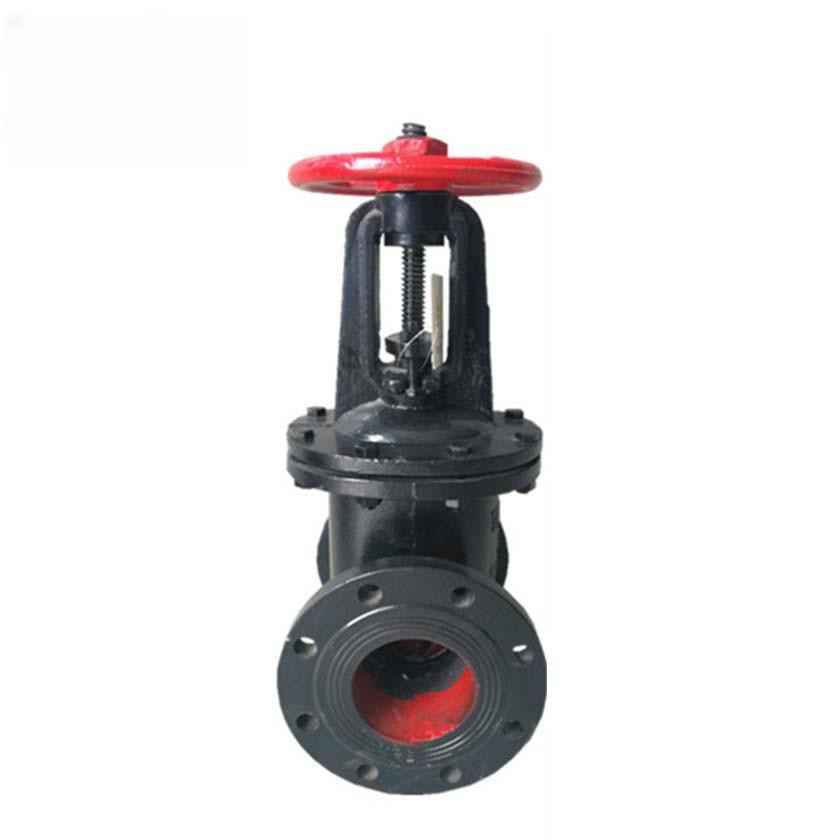
Fig 3: A large-diameter cast iron gate valve, ready for dispatch.
Application Case Studies and Customer Experience
Real-world application demonstrates the true value and reliability of industrial valves. HBYs Valves has a proven track record of successful deployments of its cast iron valves, including the Gost Cast Iron Gate Valve Z44T-10/Z41T-16, across diverse and challenging environments.
Case Study 1: Municipal Water Treatment Plant Upgrade
Client: Major City Waterworks Department, Eastern Europe.
Challenge: An aging water treatment plant required a comprehensive upgrade of its main distribution lines, with a critical need for reliable shut-off valves for maintenance isolation and flow diversion. The existing valves suffered from significant corrosion and frequent leakage, leading to operational inefficiencies and increased maintenance costs. The new valves needed to withstand continuous operation with treated municipal water and occasional mild chemical exposure (e.g., chlorine residuals).
Solution: HBYs Valves supplied 75 units of Gost Cast Iron Gate Valve Z41T-16 (DN300 and DN400), equipped with fusion-bonded epoxy (FBE) coating for enhanced internal and external corrosion protection and brass seat rings for long-term sealing integrity. The valves were supplied with gearbox operators for easy manual actuation in remote locations.
Outcome: The installation significantly improved the plant's operational reliability. Post-installation inspections confirmed zero leakage, and the robust FBE coating showed excellent resistance to the water chemistry. The client reported a substantial reduction in unscheduled downtime and maintenance expenditure within the first year of operation, attributing this success to the superior quality and design of the iron gate valve units.
Case Study 2: Industrial Cooling Water System for a Steel Mill
Client: Large Steel Manufacturing Facility, Central Asia.
Challenge: The cooling water network in a steel mill operates under high flow rates and contains suspended solids, creating a challenging environment for valves. The client required large-diameter gate valves (DN500, DN600) for isolating sections of the cooling system during maintenance without significant disruption to continuous production. The valves needed to be durable enough to withstand potential water hammer and ensure absolute isolation.
Solution: HBYs Valves provided Gost Cast Iron Gate Valve Z44T-10 units, specifying heavy-duty cast iron bodies and stainless steel stems for enhanced structural integrity and wear resistance. The valves were designed with a resilient seated wedge (EPDM) to ensure bubble-tight shut-off even with minor suspended particles. Each valve was fitted with an electric actuator for automated control and integration into the plant's SCADA system.
Outcome: The automated cast iron gate valve system provided precise and rapid isolation capabilities, drastically reducing the time required for maintenance operations. The robust design successfully handled the high flow and particulate matter in the cooling water, maintaining leak-free performance. The client praised the responsiveness of HBYs Valves' engineering team in customizing the actuation and material selection to their specific operational demands.
Ensuring Trust: FAQ, Fulfillment, and Support
Frequently Asked Questions (FAQ)
Q: What is the primary difference between a Z44T-10 and a Z41T-16 Gost Cast Iron Gate Valve?
A: The primary difference lies in their nominal pressure (PN) ratings. The Z44T-10 is designed for PN10 (1.0 MPa) systems, while the Z41T-16 is rated for PN16 (1.6 MPa) applications, offering higher pressure handling capabilities. Both share similar material construction and design principles but are specified for different pressure environments.
Q: Can these cast iron valves be used for abrasive media?
A: While cast iron provides good general durability, for highly abrasive media, additional customization (e.g., hardened gate and seat surfaces, specialized internal coatings) would be recommended. Standard cast iron gate valve units are best suited for non-abrasive or mildly abrasive fluids.
Q: What kind of maintenance do Gost Cast Iron Gate Valves require?
A: Generally, they require minimal maintenance, primarily involving periodic inspection of the packing gland for leaks and occasional lubrication of the stem. For critical applications, a planned preventative maintenance schedule, including visual inspection for corrosion and testing of operation, is advisable.
Q: Are these valves suitable for potable water applications?
A: Yes, with appropriate internal and external coatings (e.g., NSF/WRAS certified epoxy coatings) and specific sealing materials, Gost Cast Iron Gate Valves are widely used and approved for potable water distribution systems.
Lead Time and Fulfillment Details
HBYs Valves maintains an efficient manufacturing and supply chain to ensure timely delivery. Standard lead times for Gost Cast Iron Gate Valves typically range from 4-8 weeks, depending on the valve size, quantity, and specific customization requirements. Expedited options are available for urgent projects, subject to material availability and production scheduling. We work closely with clients to establish realistic timelines and provide regular progress updates.
Warranty Commitments
We stand behind the quality and reliability of our products. All Gost Cast Iron Gate Valves come with a comprehensive warranty against manufacturing defects, typically covering a period of 18 months from the date of shipment or 12 months from installation, whichever comes first. Full details of our warranty policy are available upon request and provided with every quotation.
Customer Support and After-Sales Service
Our commitment to our clients extends far beyond the point of sale. HBYs Valves provides dedicated technical support, assisting with selection, installation guidance, troubleshooting, and spare parts identification. Our experienced engineering team is available to offer expert advice, ensuring the longevity and optimal performance of your cast iron valves throughout their operational life. We also offer on-site support and training for large-scale projects.
Conclusion
The modern cast iron gate valve remains a foundational component in industrial fluid control, consistently demonstrating its value through robust construction, reliable shut-off capabilities, and cost-effectiveness. As industries evolve, the demand for high-quality, meticulously engineered valves that comply with international standards and offer extended service life becomes increasingly critical. HBYs Valves is dedicated to meeting these stringent requirements, providing expertly manufactured Gost Cast Iron Gate Valve Z44T-10/Z41T-16 products backed by comprehensive technical support and tailored solutions. By focusing on precision manufacturing, rigorous testing, and proactive customer engagement, we empower our clients to achieve optimal performance and long-term operational success in their vital infrastructure projects.
References
- ISO 5208: Industrial valves — Pressure testing of metallic valves. International Organization for Standardization.
- API 598: Valve Inspection and Testing. American Petroleum Institute.
- EN 12266-1: Industrial valves — Testing of valves — Part 1: Pressure tests, procedures for functional tests and requirements for the testing. European Committee for Standardization.
- GOST 12815-80: Flanges of pipeline fittings, connecting parts and pipelines. Types. Basic parameters and dimensions. Interstate Standard.
- Valves, Pipes, and Fittings, Inc. "The Importance of Cast Iron in Industrial Applications." [Academic Journal of Material Sciences].
-
Comprehensive Guide to China Pipe Laterals Fittings for Global Trade ApplicationsNewsFeb.24,2026
-
China Extended Body Gate Valves A Comprehensive Guide To Selection And ApplicationNewsFeb.11,2026
-
Comprehensive Guide to China 3 Inch Butterfly Valve Selection and ApplicationsNewsJan.30,2026
-
Comprehensive Guide to Pipe Adaptors and Fittings for Efficient SystemsNewsJan.28,2026
-
Comprehensive Guide to Pipe T Fittings for Plumbing and Fluid Transfer SystemsNewsJan.28,2026
-
Comprehensive Guide to Union Pipe Fitting Selection and ApplicationsNewsJan.27,2026
-
Comprehensive Guide to China Angle Globe Valves for Industrial ApplicationsNewsJan.27,2026
 Afrikaans
 Albanian
 Amharic
 Arabic
 Armenian
 Azerbaijani
 Basque
 Belarusian
 Bengali
 Bosnian
 Bulgarian
 Catalan
 Cebuano
 Corsican
 Croatian
 Czech
Czech
 Danish
 Dutch
Dutch
 Esperanto
 Estonian
 Finnish
 French
 Frisian
 Galician
 Georgian
 German
 Greek
Greek
 Gujarati
 Haitian Creole
 Hausa
Hausa
 Hawaiian
 Hebrew
 Hindi
Hindi
 Miao
Miao
 Hungarian
 Icelandic
 Igbo
Igbo
 Indonesian
 Irish
Irish
 Italian
 Japanese
 Javanese
 Kannada
 Kazakh
 Khmer
Khmer
 Rwandese
 Korean
 Kurdish
 Kyrgyz
 Lao
Lao
 Latin
Latin
 Latvian
 Lithuanian
 Luxembourgish
 Macedonian
 Malgashi
 Malay
Malay
 Malayalam
 Maltese
 Maori
Maori
 Marathi
 Mongolian
 Myanmar
 Nepali
 Norwegian
 Norwegian
 Occitan
 Pashto
 Persian
 Polish
 Portuguese
 Punjabi
 Romanian
 Russian
 Samoan
 Scottish Gaelic
 Serbian
 Sesotho
 Shona
Shona
 Sindhi
 Sinhala
 Slovak
 Slovenian
 Somali
 Spanish
 Sundanese
 Swahili
 Swedish
 Tagalog
 Tajik
Tajik
 Tamil
Tamil
 Tatar
Tatar
 Telugu
 Thai
Thai
 Turkish
 Turkmen
 Ukrainian
 Urdu
Urdu
 Uighur
 Uzbek
Uzbek
 Vietnamese
 Welsh
Welsh
 Bantu
Bantu
 Yiddish
 Yoruba
 Zulu
Zulu
 English